
Ronald Koeman — Dutch footballer and manager
Dutch former professional footballer and manager, renowned as a goalscoring defender and free‑kick specialist; Euro 1988 winner and later coach of club and national sides including the Netherlands and Barcelona.
Overview
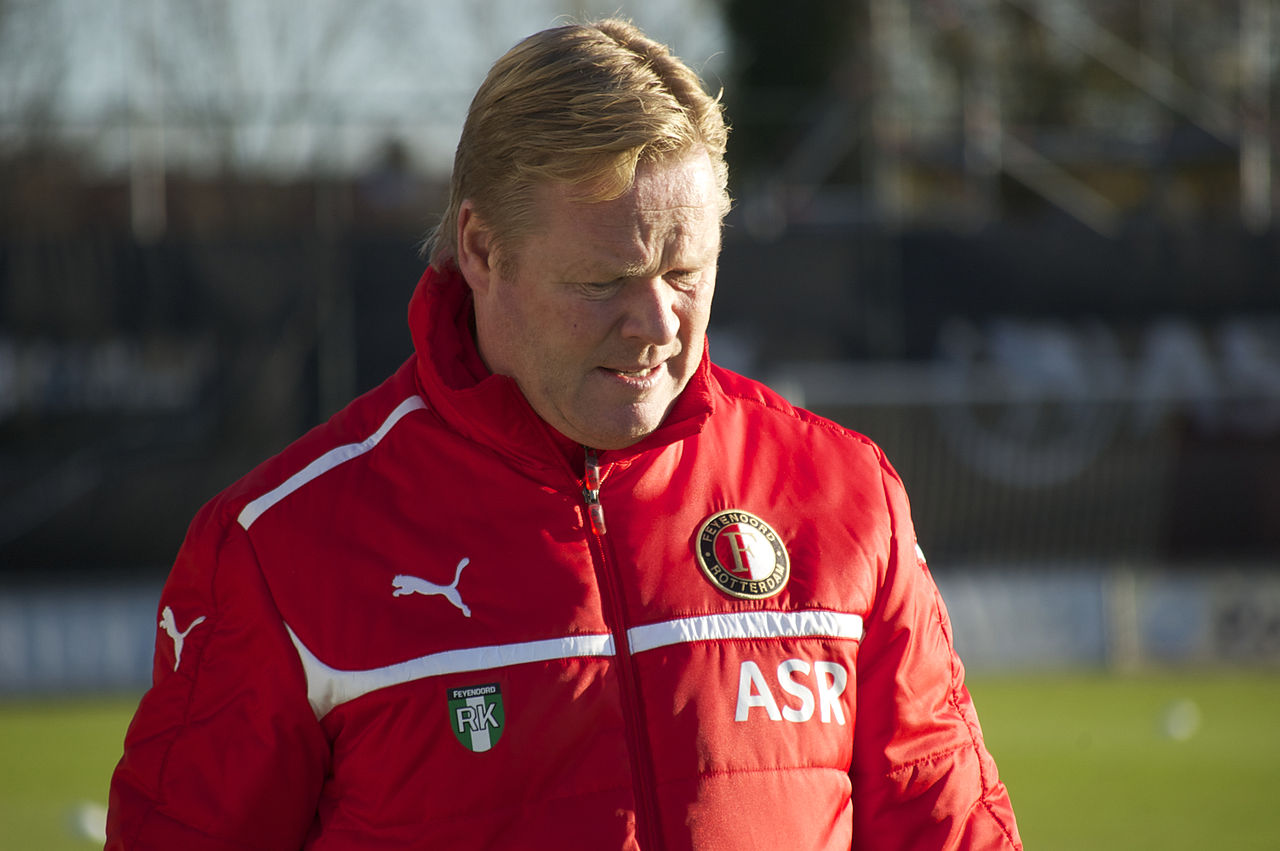
Ronald Koeman (born 21 March 1963) is a retired Dutch professional footballer and a football manager. He built a reputation as an unusually prolific goalscorer for a defender and as a specialist at free kicks and long-range shooting. His career spans top clubs in the Netherlands and Spain and includes success with the Netherlands national team.
Image gallery
7 Images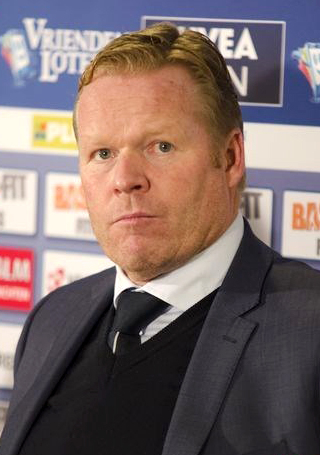




Playing career and clubs
Koeman played as a central defender and sweeper (libero), a role that combined defensive duties with long passing and goal threat from distance. He featured for prominent clubs during his playing days. Notable stops in his club career include:
- FC Groningen — early professional development
- Ajax and PSV — major domestic clubs in the Netherlands
- FC Barcelona — continental success, including a decisive goal in a European Cup final
Style, strengths and achievements
Koeman was known for a powerful and accurate shot, set-piece technique, and composure on the ball. Unusually for a defender he scored frequently from free kicks and penalties and was often involved in attacking build-up. Internationally, he was a member of the Netherlands squad that won the European Championship in 1988 and remained a significant figure in Dutch football history.
Managerial career
After retiring as a player Koeman moved into coaching and management. He worked at club and national level, taking roles that included managing the Netherlands national team and leading major clubs in top European leagues. His managerial tenure has attracted attention for tactical choices and for returning to manage teams where he had historic ties.
Legacy and notable facts
Koeman is often cited among the most goal‑threatening defenders in modern football and is remembered for his set-piece proficiency and decisive contributions in important matches. For further information on his international record and later coaching roles see national team profiles and coaching summaries: international record and coaching history.
Because of his dual success as player and manager, Koeman is frequently discussed in accounts of late 20th‑century European football and in analyses of how defenders can influence the game beyond traditional defensive responsibilities.
Author
AlegsaOnline.com Ronald Koeman — Dutch footballer and manager Leandro Alegsa
URL: https://en.alegsaonline.com/art/130013