
Robin Morgan
American poet, author, editor and activist (born 1941), best known for role in second‑wave feminism and for organizing the 1968 Miss America protest.
Robin Morgan (born January 29, 1941) is an American writer, editor, and political activist whose career has spanned poetry, nonfiction and public organizing. She became prominent during the late 1960s and 1970s as a leading figure in second‑wave feminism and as an outspoken critic of cultural representations of women.
Image gallery
5 Images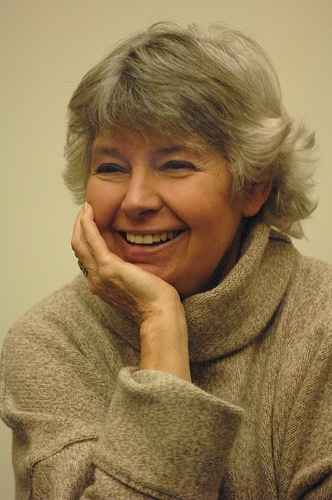


Overview
Morgan is known for combining literary work with political engagement. Early in life she appeared as an actress and performer, and later concentrated on writing and feminist organizing. Her work helped frame debates about gender, media and power during a formative period for women's rights in the United States and beyond.
Writing and themes
As a poet and author Morgan has produced both creative and polemical work. Her writing frequently addresses themes of gendered violence, social inequality and the cultural mechanisms that shape identity. She has edited influential anthologies that collected feminist voices and made scholarship and activist writing accessible to wider audiences.
Activism and public work
Morgan organized and participated in high‑visibility actions and institutional efforts to build feminist networks. One of the most widely reported events associated with her was the 1968 protest against the Miss America pageant in Atlantic City, a moment often cited in histories of second‑wave feminism. Beyond street actions, she promoted the publication and dissemination of feminist writing and helped develop transnational connections among activists.
Legacy and notable facts
- Editor of a well‑known feminist anthology that gathered activist writings and helped circulate second‑wave ideas.
- Instrumental in public demonstrations that shifted media attention toward critiques of beauty standards and sexism.
- Maintains a body of poetry and nonfiction that is studied in literary and gender studies contexts.
- Her career bridges cultural production and organizational work, combining editorial projects with on‑the‑ground activism.
Morgan's contributions are frequently discussed in surveys of modern feminism and contemporary literature. Her combination of creative practice and political advocacy exemplifies a strand of feminist thought that sought to influence both cultural representation and public policy. For further information and resources on her life and work, see biographical summaries, collections of her poetry and essays, listings of her early performing credits at film and stage archives, and accounts of the feminist movement and organizing efforts at movement histories.
Author
AlegsaOnline.com Robin Morgan Leandro Alegsa
URL: https://en.alegsaonline.com/art/129859