
Robin Cook (British Labour politician, 1946–2005)
Robin Cook was a senior British Labour politician, Foreign Secretary 1997–2001, and a prominent critic of the 2003 Iraq War who resigned from the government in protest. He died suddenly in 2005.
Robin Cook (28 February 1946 – 6 August 2005) was a senior figure in the British Labour Party whose parliamentary career and ministerial service made him one of the most widely known politicians of his generation. He served as Foreign Secretary in the first government of Prime Minister Tony Blair and became associated with an 'ethical' approach to international affairs. Later in his career he made headlines by resigning from the cabinet in opposition to the 2003 invasion of Iraq.
Image gallery
4 Images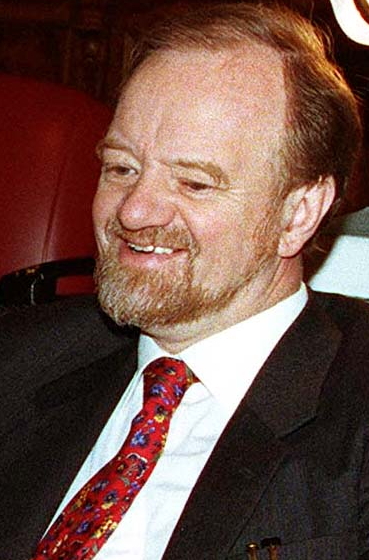


Political career and approach
Cook was a long-serving Member of Parliament and held a number of high-profile positions in government. As Foreign Secretary he sought to place human rights, development and international law at the centre of British foreign policy, a stance often described as introducing an "ethical dimension" to official diplomacy. His reputation rested on articulate speeches and detailed knowledge of parliamentary procedure, and he was widely regarded as an effective communicator within parliament and to the public.
Resignation over Iraq and later years
In 2003 Cook left the cabinet in a public and dramatic protest against the decision to take military action in Iraq. His resignation was one of the most notable political departures during that period and drew attention to internal Labour divisions over the war. The resignation and the speech that accompanied it became defining moments of his later public life and shaped much of his post-ministerial reputation. For contemporary reporting of his departure from government see related coverage.
Personal life and death
Cook's private life attracted media attention at times; he separated from his wife Margaret and later lived with his former secretary, Gaynor Regan. He described himself as an atheist and sometimes discussed how his personal beliefs informed his politics. He died suddenly of heart disease while on a walking holiday in the Scottish Highlands; accounts of his death and its circumstances were widely reported at the time.
Significance and legacy
Robin Cook is remembered for combining long parliamentary experience with a high public profile. His efforts to link moral considerations to foreign policy influenced debates within the Labour Party and beyond, even as subsequent governments faced criticism for departing from those principles. He remains a reference point in discussions about political dissent, ministerial responsibility and the role of conscience in public life. Further background on his role as Foreign Secretary can be found via contemporary profiles and retrospectives here.
- Known for: Foreign Secretary (1997–2001), parliamentary oratory, ethical foreign policy.
- Notable action: Resigned from cabinet in 2003 in protest at the Iraq invasion.
- Personal note: Died suddenly in 2005; identified as an atheist.
Author
AlegsaOnline.com Robin Cook (British Labour politician, 1946–2005) Leandro Alegsa
URL: https://en.alegsaonline.com/art/129852