
Robert Wolders (1936–2018)
Dutch actor Robert Wolders appeared in American television during the 1960s–70s, notably in Laredo and as a guest on series such as The Man from U.N.C.L.E., Bewitched and The Mary Tyler Moore Show.
Overview
Robert Wolders (28 September 1936 – 12 July 2018) was a Dutch-born actor who worked primarily in American television. He gained recognition in the 1960s and 1970s for both steady parts and frequent guest appearances on a range of popular series. Wolders was often cast for his suave, leading-man looks and quiet screen presence, which suited the dramatic and romantic roles available on television at the time.
Image gallery
2 Images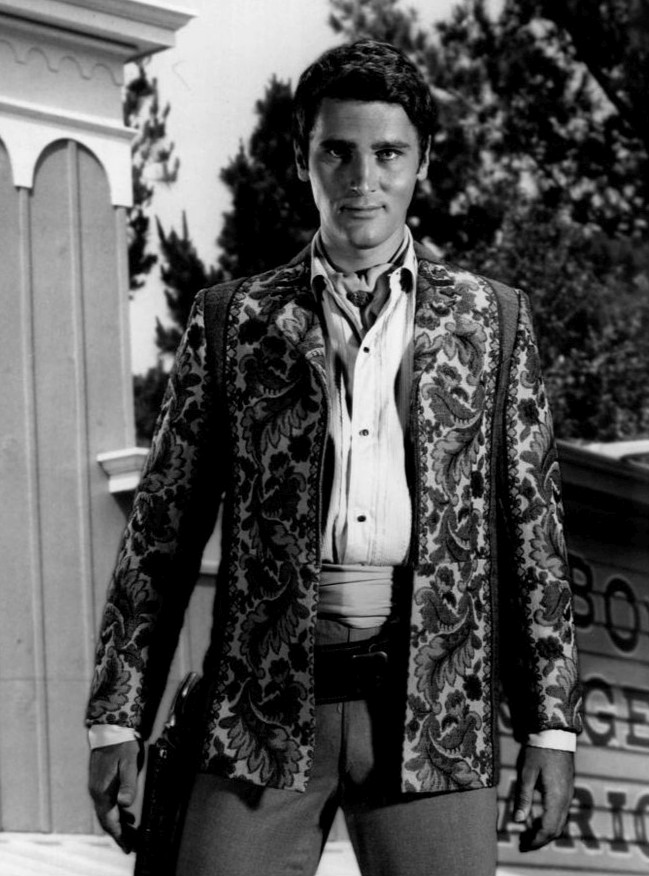

Career and notable appearances
Wolders’s career centered on episodic television, with one of his better-known credits being a role in the western series Laredo. Across the same period he appeared as a guest actor on several well-known shows, demonstrating versatility in drama, comedy and action formats. He was part of the generation of European actors who found steady work in American TV during the era.
- Western series: Laredo (recurring role)
- Spy and action programs: The Man from U.N.C.L.E.
- Classic sitcoms and comedies, including Bewitched and The Mary Tyler Moore Show
Style and screen persona
On screen, Wolders typically projected a composed, elegant demeanor rather than broad comic impulses. Casting directors used those qualities to place him in parts that required a restrained romantic interest, an urbane antagonist, or a dependable supporting character. Though not a household-name movie star, he built a respectable television résumé and maintained steady work across several seasons.
Personal life and later years
Beyond his screen work, Wolders is frequently remembered for his personal associations with two prominent actresses. He married Merle Oberon late in her life and remained her husband until her death. Later he became the longtime companion of Audrey Hepburn; their partnership lasted for many years and remained a notable aspect of his public profile. Wolders continued to live a relatively private life after his years in front of the camera and died in 2018.
Legacy and significance
Robert Wolders represents a type of mid-20th-century television actor whose career was defined by guest roles and supporting parts rather than starring film vehicles. He is of interest to television historians studying the era’s casting patterns and to fans of the shows on which he appeared. His personal relationships with major film figures also connect him to broader cultural histories of Hollywood and European actors working in America. For further reading on programs mentioned, see listings and episode guides linked to contemporary references such as Audrey Hepburn and related materials.
Author
AlegsaOnline.com Robert Wolders (1936–2018) Leandro Alegsa
URL: https://en.alegsaonline.com/art/129843