
Robert Stewart, Viscount Castlereagh
Anglo‑Irish statesman (1769–1822). As Viscount Castlereagh he served at the center of British government, helped secure the Act of Union and led diplomacy at the Congress of Vienna; a controversial figure who died by suicide.
Overview
Robert Stewart, commonly known by his courtesy title Viscount Castlereagh (1769–1822), was an Anglo‑Irish statesman who rose to the senior ranks of the British government. He was born in Dublin and spent much of his career navigating Irish and British politics as a member of the governing elite. Contemporaries and later historians describe him as a capable administrator and a determined diplomat, as well as a polarising public figure in British politics.
Image gallery
8 Images



Titles and family background
Castlereagh was the eldest son in a landed Anglo‑Irish family and acquired his courtesy title when his father received higher peerage; he is usually styled Viscount Castlereagh as the heir of the family. His father was elevated within the peerage and became Earl and later Marquess of Londonderry, a connection that shaped Castlereagh's social position and early career.
Political career
Over three decades he held a succession of important offices, culminating in the office of British Foreign Secretary. He played central administrative roles in Ireland, supported measures to integrate Irish and British governance, and later took leading responsibility for British policy during the final phases of the Napoleonic wars. His responsibilities combined domestic administration, military oversight and diplomatic negotiation.
Diplomacy and historical importance
Castlereagh was a principal British negotiator at the diplomatic conferences that followed Napoleon's defeat. He helped shape the post‑war settlement that sought to restore a balance of power in Europe and prevent renewed large‑scale continental war. Domestically he was closely associated with the legislation and policies that brought about tighter constitutional ties between Ireland and Great Britain at the turn of the 19th century.
Controversy and legacy
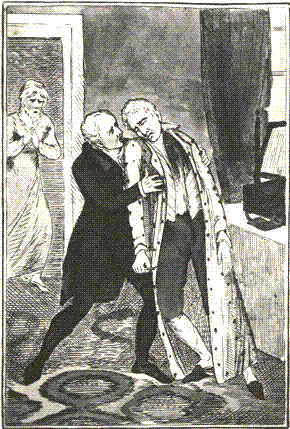
He was widely admired by colleagues for organisational skill and steadiness but was also deeply unpopular with many critics. His support for repressive measures in Ireland and for strong central control made him a target of intense opposition and press hostility. In 1822 his life ended in tragedy when he died by suicide, an event that shocked contemporaries. Historians view his career as influential: his diplomatic achievements are often weighed against the domestic consequences of his policies.
Notable facts
- Remembered as a key British figure during the Napoleonic settlement.
- Central to policies that shaped Anglo‑Irish relations at the start of the 19th century.
- Both praised for diplomatic skill and criticised for the harshness of some domestic measures.
For a concise introduction and further reading, consult general histories of the Napoleonic era and biographies of British foreign secretaries that discuss Castlereagh's role and reputation.
Author
AlegsaOnline.com Robert Stewart, Viscount Castlereagh Leandro Alegsa
URL: https://en.alegsaonline.com/art/129826