
Robert Grubbs
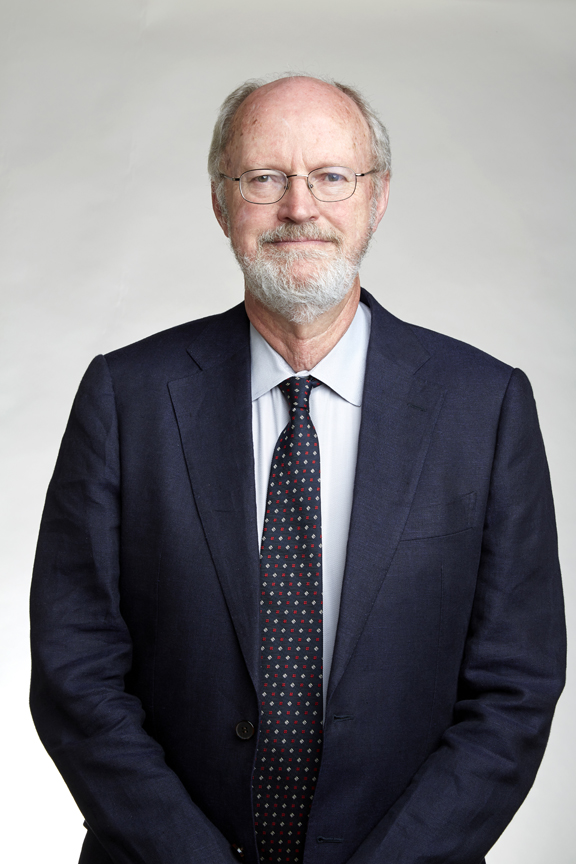
American chemist Robert H. Grubbs (1942–2021), Nobel laureate recognized for developing olefin metathesis and the Grubbs catalysts widely used in organic synthesis and materials science.
Robert H. Grubbs (February 27, 1942 – December 19, 2021) was an American chemist best known for transforming methods of carbon–carbon bond formation. He received the Nobel Prize in Chemistry in 2005 for advances that made olefin metathesis a practical and widely adopted tool in organic synthesis. For biographical overviews see his biography.
Image gallery
4 Images


Research and key contributions
Grubbs developed a family of ruthenium-based catalysts, commonly called Grubbs catalysts, that enabled controlled olefin metathesis under relatively mild conditions. These catalysts are notable for their tolerance of a variety of functional groups, operational simplicity and ability to work in the presence of air and moisture compared with earlier systems. The practical nature of his catalysts expanded metathesis from a laboratory curiosity into an everyday reaction used by chemists.
Olefin metathesis itself is a reaction that exchanges substituents between alkenes, allowing ring-closing, ring-opening and cross-metathesis processes. Grubbs’s chemistry provided routes to complex molecules and polymers with improved efficiency and selectivity, and it influenced strategies in medicinal chemistry, polymer science and materials design. For summaries of the prize-winning work see Nobel materials and technical discussions at research overviews.
Career and legacy
Grubbs spent much of his career in academic research and teaching, mentoring students and collaborating with industry to translate catalysts into commercial applications. His name is attached to multiple generations of catalysts used in both academic laboratories and industrial settings. Beyond the Nobel Prize, his work is celebrated for fostering more efficient synthetic routes and contributing to greener, less wasteful chemical processes.
- Major honor: Nobel Prize in Chemistry (2005)
- Principal scientific legacy: Grubbs catalysts and broad adoption of metathesis reactions
- Impact areas: pharmaceuticals, polymers, materials science, and sustainable synthesis
Robert Grubbs’s discoveries remain fundamental tools in modern organic chemistry. His catalysts and the methods they enabled continue to appear in research papers, industrial processes and teaching laboratories worldwide, ensuring a lasting influence on how chemists build molecules.
Questions and answers
Q: Who was Robert Grubbs?
A: Robert Grubbs was an American chemist.
Q: When was Robert Grubbs born and when did he pass away?
A: Robert Grubbs was born on February 27, 1942, and he passed away on December 19, 2021.
Q: What did Robert Grubbs win a Nobel Prize in?
A: Robert Grubbs won a Nobel Prize in Chemistry in 2005.
Q: What was Robert Grubbs' significant contribution to chemistry?
A: Robert Grubbs is known for his contributions to the field of organic chemistry, particularly in the development of new chemical techniques and catalysts.
Q: Was Robert Grubbs only famous for winning a Nobel Prize in Chemistry?
A: Robert Grubbs' contributions to chemistry extend beyond his Nobel Prize. His work revolutionized the development of polymers, organic synthesis, and catalysts.
Q: Has Robert Grubbs' work made an impact on the scientific community?
A: Yes, Robert Grubbs is regarded as one of the most influential chemists of his generation, and his work has made an enormous impact on the scientific community.
Q: What is Robert Grubbs known for developing in the field of chemistry?
A: Robert Grubbs is known for his development of metathesis, a chemical reaction that enables the swapping of atoms between molecules, which has important applications in the production of pharmaceuticals, plastics, and other substances.
Author
AlegsaOnline.com Robert Grubbs Leandro Alegsa
URL: https://en.alegsaonline.com/art/129750