
Ricky 'The Dragon' Steamboat – Career and Legacy
American wrestler Richard 'Ricky' Steamboat (born 1953), famed for technical skill and classic matches in the 1980s–90s; influential performer and WWE Hall of Fame inductee (2009).
Overview
Richard Henry Blood (born February 28, 1953), better known by his ring name Ricky "The Dragon" Steamboat, is an American retired professional wrestler celebrated for his athleticism, in-ring psychology and clean, fast-paced style. Rising to prominence in the late 1970s and becoming best known in the 1980s and early 1990s, he earned a reputation as a reliable babyface and a performer whose matches are often cited as classics. He was inducted into the WWE Hall of Fame in 2009.
Image gallery
10 Images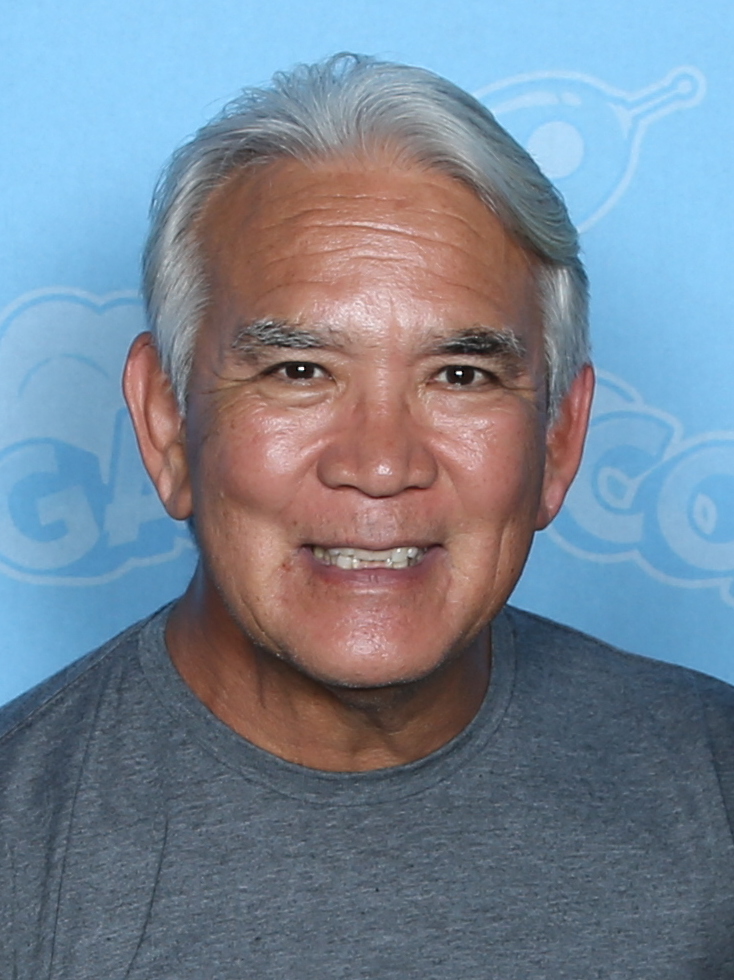



Style and ring persona
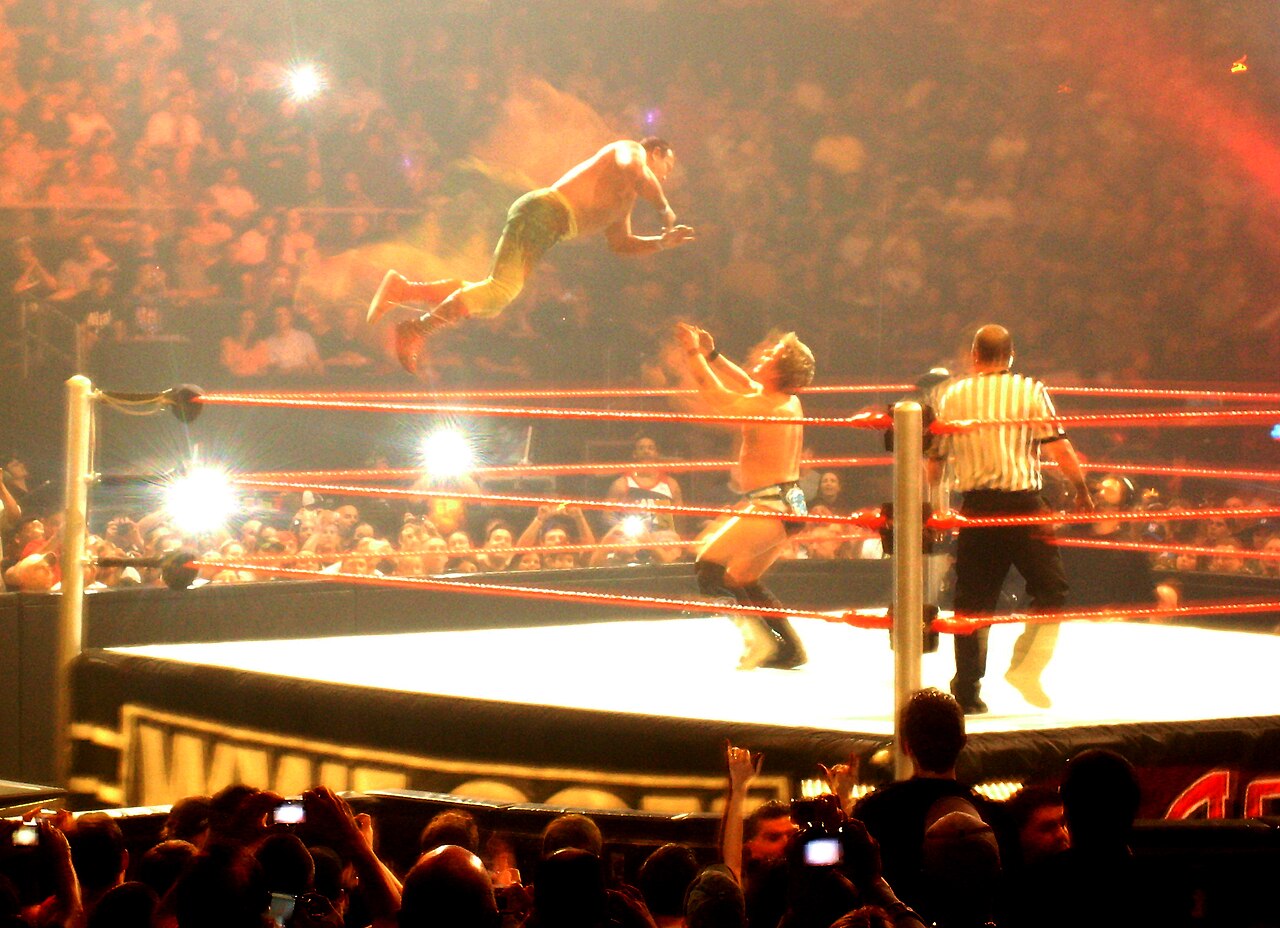
Steamboat combined technical grappling, high-speed counters and crisp aerial maneuvers. He was notable for seamless chain wrestling and quick transitions that emphasized realism and storytelling. Early in his career he adopted the "Dragon" nickname and related imagery, which became a memorable part of his public persona without overshadowing the technical focus of his matches.
Career highlights
Steamboat competed for a number of major promotions and enjoyed success at both regional and national levels. In the World Wrestling Federation (WWF, now WWE) he is widely remembered for his match with Randy "Macho Man" Savage at WrestleMania III, where he won the Intercontinental Championship—a contest frequently listed among the event's standout bouts. He also worked at National Wrestling Alliance (NWA) and World Championship Wrestling (WCW), where he engaged in high-profile programs and captured top titles during his active years.
- Key rivalries: Randy Savage, Ric Flair and several other top performers of the era.
- Championships: Intercontinental Championship and major NWA/WCW titles during his career.
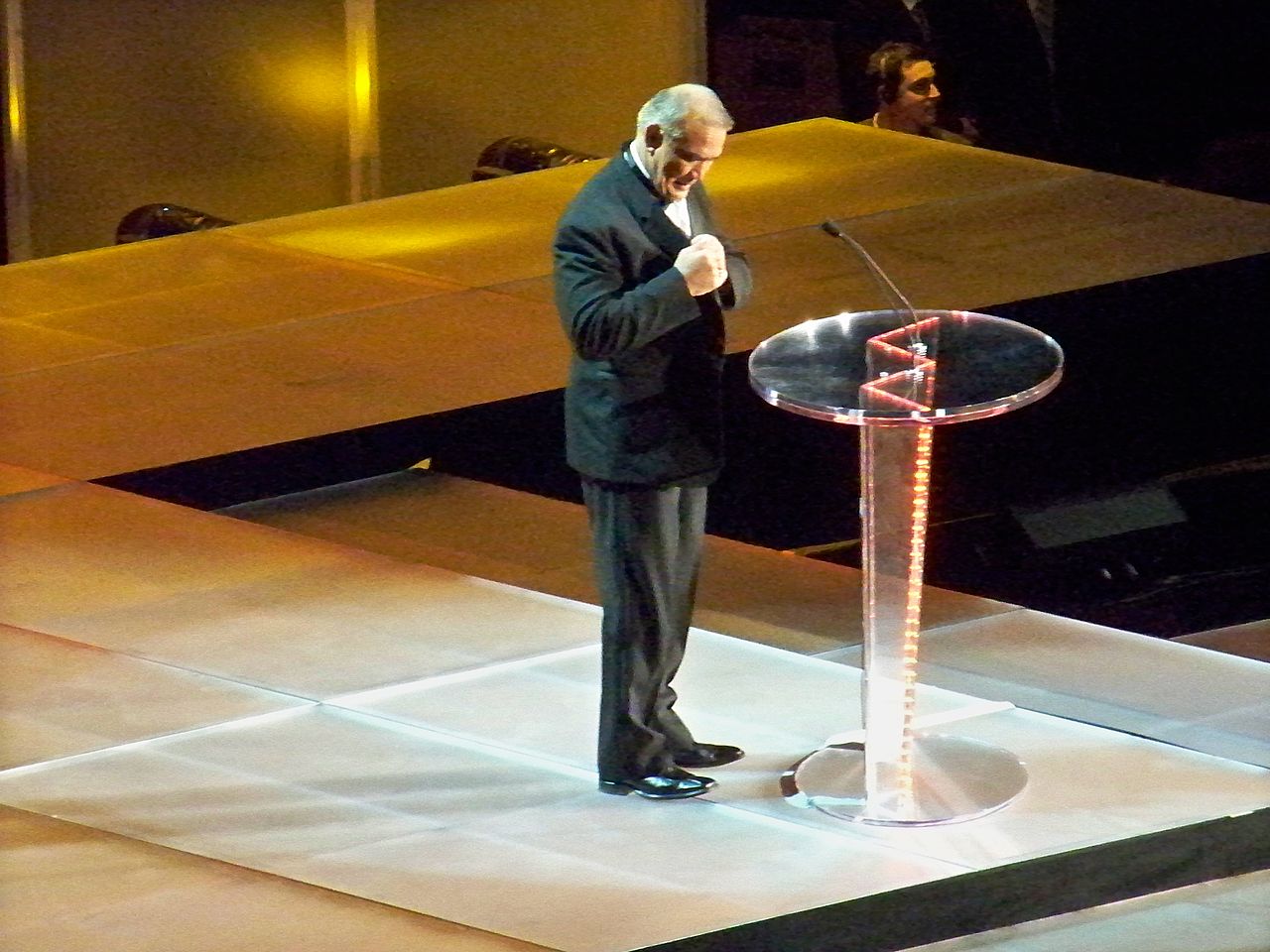
- Recognition: Inducted into the WWE Hall of Fame for his contributions to the industry.
Later roles and influence
After stepping away from full-time competition, Steamboat remained involved in wrestling as a trainer, mentor and behind-the-scenes contributor. He has been respected by subsequent generations for a style that emphasized fundamentals, timing and selling—elements young wrestlers are often taught when learning how to make matches believable. His approach influenced performers who prioritize classic ring psychology and smooth execution.
Notable facts and distinctions
Steamboat's real name, Richard Henry Blood, and his ring name reflect an era when personas drew on vivid nicknames and athletic presentation. For readers seeking additional background, official biographies and wrestling histories offer detailed timelines and match records; see a concise biography or a general resource on professional wrestling for broader context. Widely regarded as one of the best technicians of his generation, Steamboat's matches remain frequently recommended viewing for those studying in-ring craft and legacy booking in sports-entertainment history.
Author
AlegsaOnline.com Ricky 'The Dragon' Steamboat – Career and Legacy Leandro Alegsa
URL: https://en.alegsaonline.com/art/129586