
Richard Neutra: Austrian‑American Modernist Architect
A concise encyclopedia overview of Richard Neutra, his design principles, major works, and influence on modern architecture in Southern California and beyond.
Overview
Richard Joseph Neutra (April 8, 1892 – April 16, 1970) was an Austrian‑born architect whose work became central to the development of modernist architecture in the United States, especially in Southern California. Trained in Europe and active in Los Angeles and surrounding regions, Neutra is best known for residential projects that emphasize a close relationship between interior space and the natural environment. For a basic biography see Neutra biography.
Image gallery
8 Images


Design approach and characteristics
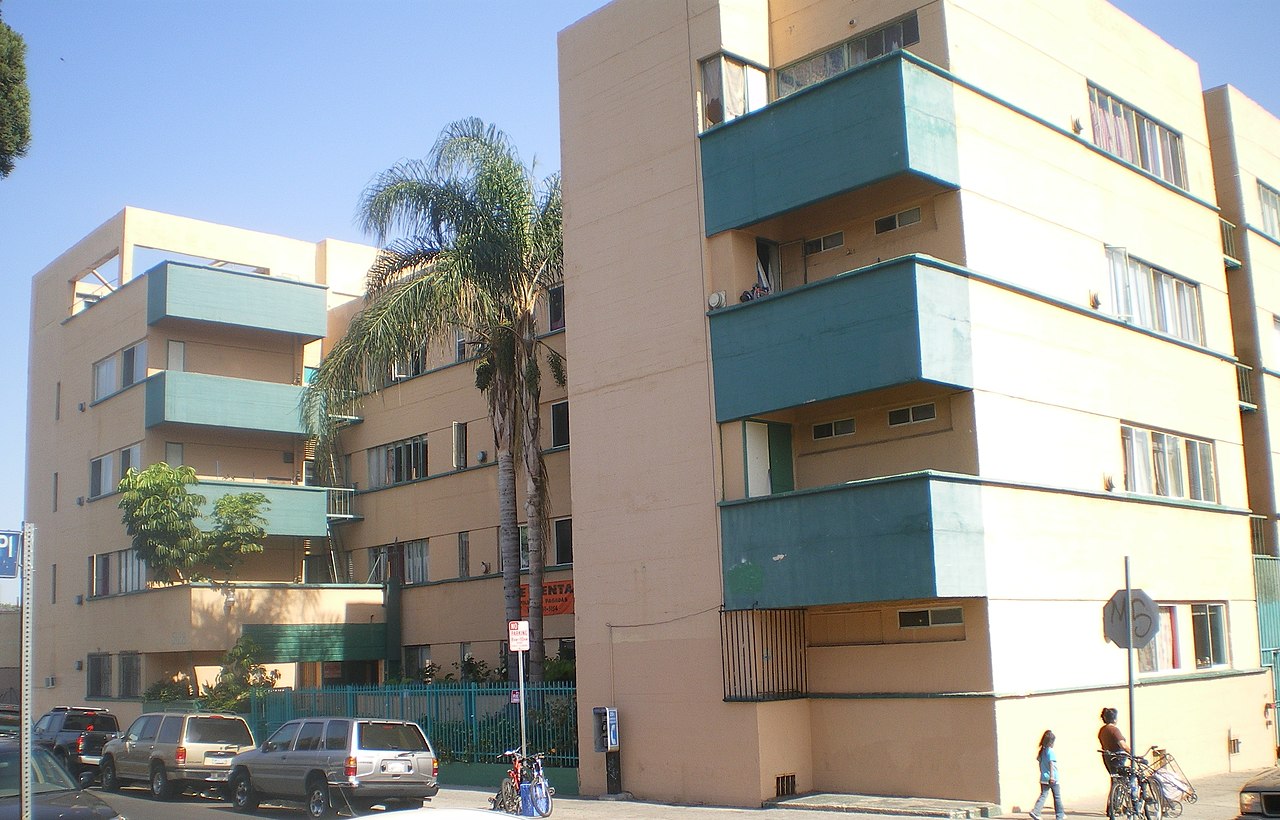
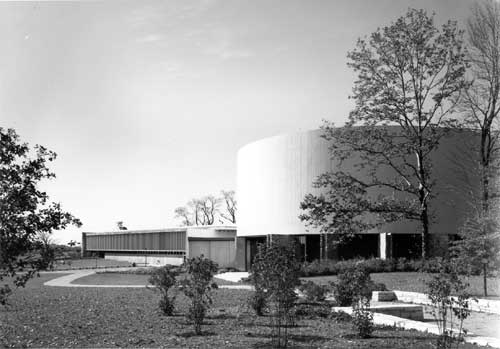
Neutra’s architecture is frequently associated with the International Style: clean lines, flat roofs, large areas of glass, and an economical use of materials. He sought to shape spaces that responded to climate, light and views while addressing human comfort and psychological needs. His houses often include sliding glass walls, shallow overhangs for shade, and arrangements that blur indoor and outdoor living. For an architectural profile, consult architectural resources.
Notable works
- Lovell Health House — an early U.S. modernist residence noted for its steel frame and health‑oriented program.
- VDL Research House — a long‑term home and studio used for experimentation in design and preservation.
- Kaufmann Desert House — one of his celebrated desert commissions that integrates sweeping views with minimalist structure.
History and influence
Neutra emigrated from Europe after training in Central Europe and established his practice where a mild climate allowed open plans and outdoor living to be integral parts of design. He wrote about architecture’s role in human well‑being and influenced mid‑20th century residential design, urban planning discussions, and later preservation efforts. His work is frequently studied in the context of post‑war modernism and Californian architectural identity.
Legacy and distinctions
Neutra left a legacy of carefully detailed houses, public commissions, and writings that continue to inform architects and historians. His projects are often cited for their dialogue between technology and nature, and many are preserved, studied, and visited. Examples of his Southern California practice and its context can be found in regional surveys and collections at institutions listed by regional archives.
Author
AlegsaOnline.com Richard Neutra: Austrian‑American Modernist Architect Leandro Alegsa
URL: https://en.alegsaonline.com/art/129531