
Ray LaHood: U.S. Representative and Secretary of Transportation
Ray LaHood (born 1945) is an American Republican politician who represented Illinois in Congress (1995–2009) and served as U.S. Secretary of Transportation (2009–2013), known for bipartisan infrastructure and safety work.
Overview
Raymond H. "Ray" LaHood (born December 6, 1945) is an American politician who served as the United States Secretary of Transportation from 2009 to 2013. A member of the Republican Party, LaHood represented Illinois's 18th district in the U.S. House of Representatives from 1995 until his resignation to join the presidential cabinet. He is widely regarded as a pragmatic, moderate Republican who worked across party lines on transportation and safety issues.
Image gallery
4 Images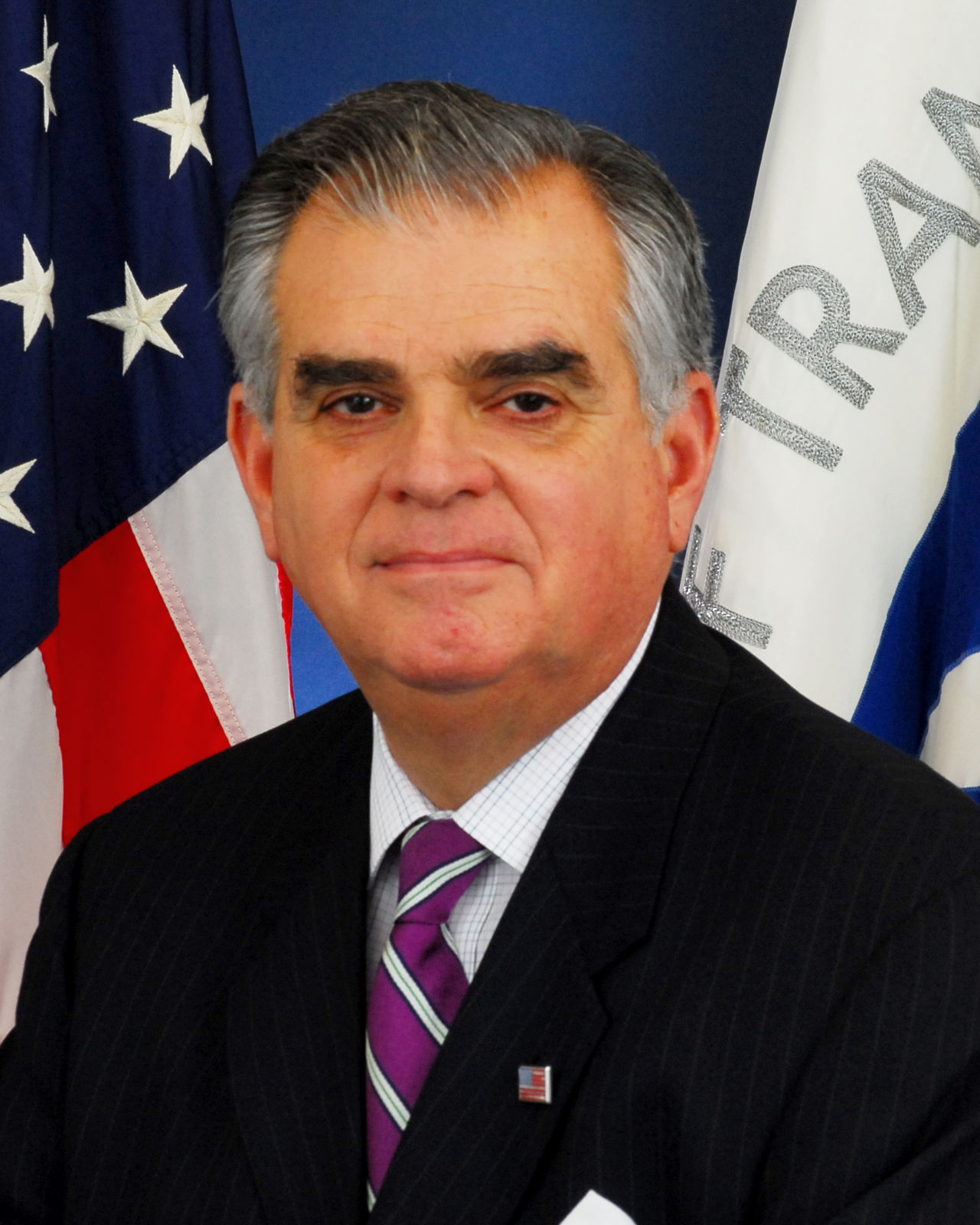


Early life and rise to public office
LaHood was born and raised in central Illinois and began his career in local and regional public service before winning election to Congress in the mid-1990s. He represented a largely rural and small-city district that included Peoria and surrounding communities. During his time in elected office he developed a reputation for focusing on practical constituent concerns, infrastructure needs and agricultural and economic issues important to his district.
Congressional career and focus areas
In the House, LaHood made transportation, infrastructure and public safety recurring themes of his work. He worked with members from both parties to pursue federal investments in roads, bridges and transit systems serving smaller cities and rural areas. His approach emphasized bipartisan problem solving, steady oversight of federal programs and attention to commuter, freight and highway safety.
Secretary of Transportation (2009–2013)
Appointed to President Barack Obama’s cabinet, LaHood was notable as one of the few Republican members of that administration’s leadership team. As Secretary of Transportation he championed modernization of the nation’s transportation systems, increased emphasis on multimodal options such as rail and transit, and national efforts to reduce traffic fatalities. His tenure included initiatives to promote high-speed and intercity rail investment, support transit-oriented development and encourage policies that improved bicycle and pedestrian access.
Policies, initiatives and legacy
- Promotion of infrastructure investment and modernization programs.
- Greater focus on traffic safety, distracted driving prevention and seat-belt use.
- Support for multimodal transportation — rail, transit, roads, bike and pedestrian planning.
- Advocacy for cooperative federal-state approaches and "complete streets" principles.
Later career and notable facts
After leaving the cabinet in 2013, LaHood continued to participate in public policy discussions, consulting and public speaking on transportation and civic issues. He is often cited as an example of bipartisan cooperation in federal government and is of Lebanese-American descent, a background that has been noted in biographical profiles. Observers of contemporary U.S. transportation policy frequently point to his tenure as an era that raised the profile of safety and multimodal planning at the federal level.
Author
AlegsaOnline.com Ray LaHood: U.S. Representative and Secretary of Transportation Leandro Alegsa
URL: https://en.alegsaonline.com/art/129312