
Ray Anthony: American Bandleader, Trumpeter, Composer and Entertainer
Ray Anthony (born 1922) is an American bandleader, trumpeter, composer and actor known for big-band recordings, dance hits such as "The Bunny Hop", film and television work, and a long entertainment career.
Overview
Ray Anthony (born January 20, 1922) is an American musician and entertainer whose career spans swing, big band and popular music of the mid‑20th century. He is best known as a bandleader and a prominent trumpeter, and he has been credited as a songwriter and occasional actor. Rising to prominence in the years after World War II, Anthony led a dance orchestra that recorded several popular instrumental singles and made frequent appearances on film and television. Over the decades he remained a visible practitioner of the big‑band tradition and a link to earlier generations of swing players.
Image gallery
3 Images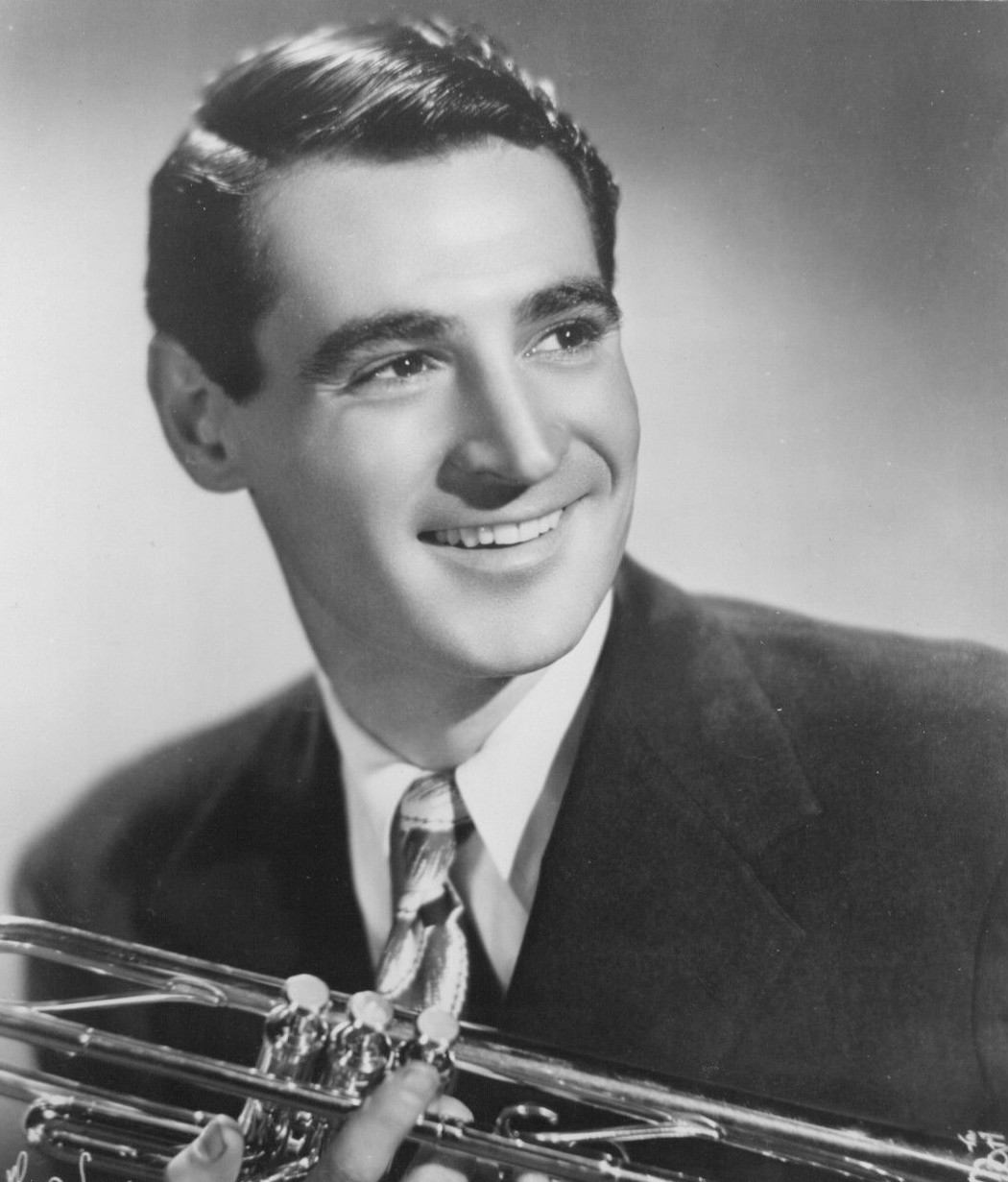


Early career and musical approach
Anthony’s groups performed a blend of swing‑era arranging, bright dance numbers and trumpet features designed for show and radio. His arranging style emphasized clear melodies, tight ensemble passages and rhythmic drive intended for ballroom dancing and nightclub audiences. While his band worked within the conventions of the big‑band idiom, it also incorporated elements of popular dance music that helped bridge the sound of the 1940s and the pop-oriented records of the 1950s.
Notable compositions and recordings
Several instrumental pieces associated with Anthony became dance standards and party favorites. Among the numbers often linked with his name are:
- "Thunderbird"
- "The Bunny Hop"
- "Trumpet Boogie"
- "Big Band Boogie"
- "Mr. Anthony's Boogie"
These tracks exemplified the light, rhythmic, accessible side of big‑band entertainment and were regularly played at social dances, on radio, and in venues that favored lively instrumental pop.
Film, television and other media work
Anthony extended his reach beyond recordings into film and television. He served as musical director for the television series TV's Top Tunes from 1953 to 1954, and he appeared as himself in the 1955 film Daddy Long Legs. In 1957 his orchestra recorded the music score for the movie This Could Be the Night, with vocal contributions on that project by singer Julie Wilson. Across the 1950s and 1960s his band released a steady stream of singles and albums that found an audience on radio and in nightclub circuits.
Performances and public profile
Throughout his career Anthony maintained an active performance schedule that included nightclub and casino appearances, variety program spots, and touring dates. His stage presentation often combined tight ensemble work with featured trumpet solos and a visual showmanship suited to cabaret and resort stages. In later decades he reached new audiences through television appearances and occasional cameo roles on contemporary programs.
Associations and public life
Anthony’s work connected him to several notable figures in mid‑century American entertainment. He has been associated with the legacy of the Glenn Miller Orchestra through shared repertory and professional circles, and he maintained friendships with public figures including publisher Hugh Hefner. His visibility led to guest appearances on popular television shows and, in later years, to appearances on programs such as The Girls Next Door, reflecting a sustained public profile.
Legacy
Ray Anthony’s career illustrates the persistence of big‑band musicianship into the post‑war popular music era. By keeping a working orchestra active after many contemporaries scaled back, he helped sustain the performance traditions of swing and dance bands. His recordings and compositions continue to be cited as examples of mid‑century dance band repertoire and are part of the broader history of American popular music.
Further information
For an overview of his recorded work and credits, consult dedicated music and film resources, archival discographies and retrospective biographies. Contemporary databases and specialized histories of big‑band music provide deeper coverage of Anthony’s discography, film appearances and collaborations with other artists; for convenience, see entries for bandleader, trumpeter, songwriter and occasional film listings under actor.
Anthony’s body of work remains a reference point for students of popular and dance music of the 1940s–1960s, and his recordings continue to appear on compilations and in histories that document the transition from big‑band swing to mid‑century popular entertainment.
Author
AlegsaOnline.com Ray Anthony: American Bandleader, Trumpeter, Composer and Entertainer Leandro Alegsa
URL: https://en.alegsaonline.com/art/129297