
Randy Weston: American Jazz Pianist and Composer
Randy Weston (1926–2018) was an influential American jazz pianist and composer who blended African rhythms with modern jazz. He collaborated with Melba Liston and drew on Ellington and Monk's legacies.
Overview
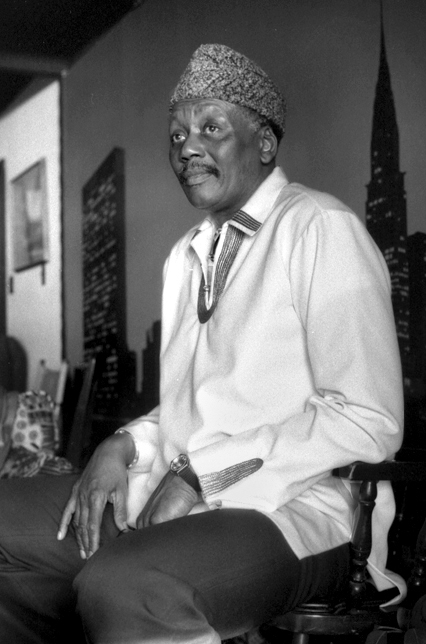
Randy Weston (April 6, 1926 – September 1, 2018) was an American jazz pianist and composer known for integrating African musical elements into modern jazz forms. Born in Brooklyn, New York, he developed a distinctive piano voice that combined percussive attack, rich harmonic textures, and a strong sense of rhythm. Over a career spanning more than six decades he composed large-scale pieces as well as small-group works and was widely respected for his commitment to connecting jazz with African cultural roots.
Image gallery
3 Images

Musical style and influences
Weston's playing and writing show clear debts to predecessors such as Duke Ellington and Thelonious Monk: Ellington's sense of orchestral color and Monk's angular, idiosyncratic pianism can both be heard in Weston's approach. He often emphasized polyrhythms, modal harmonies, and call-and-response structures that reflect West African traditions. His touch at the keyboard ranged from delicate lyricism to thunderous, drum-like phrases, and he favored extended compositions that gave space for rhythmic development and thematic variation.
Career, collaborations and notable works
Weston worked frequently with trombonist and arranger Melba Liston, whose long collaboration helped shape many of his larger ensemble projects. He recorded a number of significant albums that explored African themes and political subjects; among the best known is the ambitious work "Uhuru Afrika," which combined jazz orchestration with African rhythms and vocal elements. Throughout his career Weston led trios and larger groups, toured internationally, and maintained a steady output of recordings that chronicled his evolving interests.
History and engagement with Africa
In addition to musical assimilation, Weston traveled extensively in Africa and drew direct inspiration from its musical traditions. His experiences overseas reinforced his conviction that jazz and African music shared common roots, and he made this connection central to both his compositions and his public commentary on culture. This emphasis on cultural linkage made him a distinctive voice among mid-20th-century jazz composers.
Legacy and death
Randy Weston is remembered for enlarging the vocabulary of jazz through composition and cultural exploration. He influenced generations of pianists and composers who sought to bridge American jazz with African heritage. He received recognition from peers and institutions for his lifetime achievements and maintained an active role in performance and education late into life. Weston died on September 1, 2018 in New York City of heart disease at the age of 92.
Selected themes and distinctions
- Cross-cultural synthesis: known for blending African musical elements with jazz forms.
- Long collaboration: sustained partnership with arranger Melba Liston.
- Compositional scale: wrote both concise pieces and extended works for larger ensembles.
Weston's body of work remains a reference point for musicians exploring rhythm, heritage, and composition in jazz. For listeners and scholars alike, his recordings offer a clear example of how jazz can engage history and geography while remaining forward-looking and inventive.
Author
AlegsaOnline.com Randy Weston: American Jazz Pianist and Composer Leandro Alegsa
URL: https://en.alegsaonline.com/art/129256