
Ralph Darling: British Army officer and Governor of New South Wales (1825–1831)
Biography of General Sir Ralph Darling (1772–1858), his military background, governance of New South Wales, administrative reforms, controversies and legacy.
Overview
General Sir Ralph Darling (1772–1858) was a career officer in the British Army who served as Governor of New South Wales from 1825 to 1831. His term came at a turning point in the colony's evolution from penal outpost toward a more structured civil administration. Darling implemented reforms that reconfigured how the colony was governed and left a contested legacy of both institution building and harsh administration.
Image gallery
4 Images
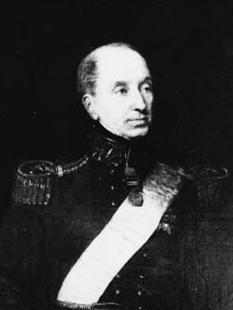
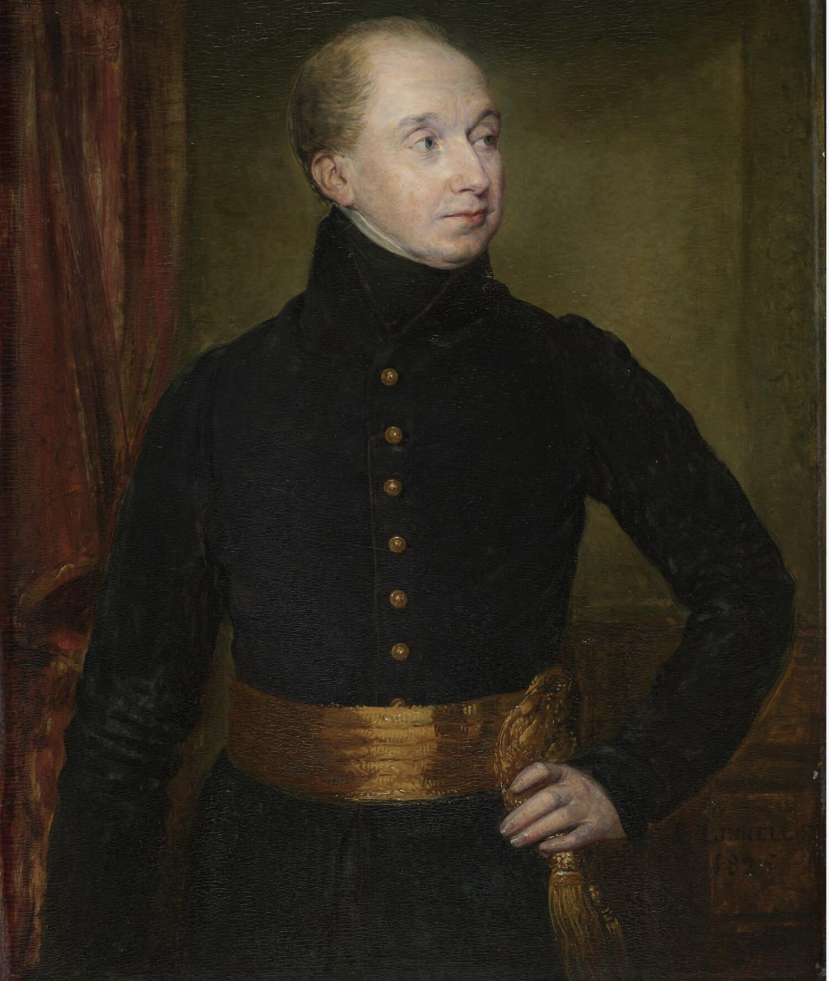

Background and appointment
Before his appointment to Australia, Darling had spent decades in military service. He arrived in the colony with experience of command and discipline and with instructions shaped by recent reviews of colonial policy. Those reviews and parliamentary acts of the period promoted a clearer separation of roles in colonial government and greater oversight from London — expectations Darling sought to meet.
Administrative reform and governance
Darling was the first governor to work with a formally constituted Executive Council, a body that brought together senior officials to advise on administration. The Executive Council included the lieutenant-governor, the chief justice, the colonial secretary and the archdeacon; Darling could also nominate additional members to a Legislative Council drawn from those officials and others. These arrangements increased the role of appointed officials in law and policy-making and created new patterns of colonial bureaucracy.
- Introduced more centralized record‑keeping and reporting between the colony and London.
- Expanded public works and road construction to support settlement and commerce.
- Reorganized district administration to strengthen magistracy and convict supervision.
Controversies and conflict
Darling's tenure generated significant opposition. Free settlers, parts of the clergy, and emerging newspaper critics accused him of authoritarianism and of using legal powers to silence opponents. His administration was also criticized for its discipline of convicts and for policies that had adverse effects on many Indigenous communities. These disputes made Darling a polarizing figure and prompted debate in Britain about colonial governance.
Legacy and later life
Historians regard Darling as a formative governor whose institutional changes helped shape the colony's transition from penal settlement toward a structured civil society. At the same time, his heavy-handed methods and clashes with local opinion left long-standing controversies. After returning to Britain in 1831, he continued his military career and remained a subject of discussion in accounts of colonial development. For a concise institutional context see the office of the Governor of New South Wales.
Notable facts
- Darling's administration is often studied for its role in establishing advisory councils and more formal colonial bureaucracy.
- Debates over his actions illuminate broader tensions between imperial control and colonial self-interest during the early 19th century.
Author
AlegsaOnline.com Ralph Darling: British Army officer and Governor of New South Wales (1825–1831) Leandro Alegsa
URL: https://en.alegsaonline.com/art/129202