
Rab Butler (Richard Austen Butler)
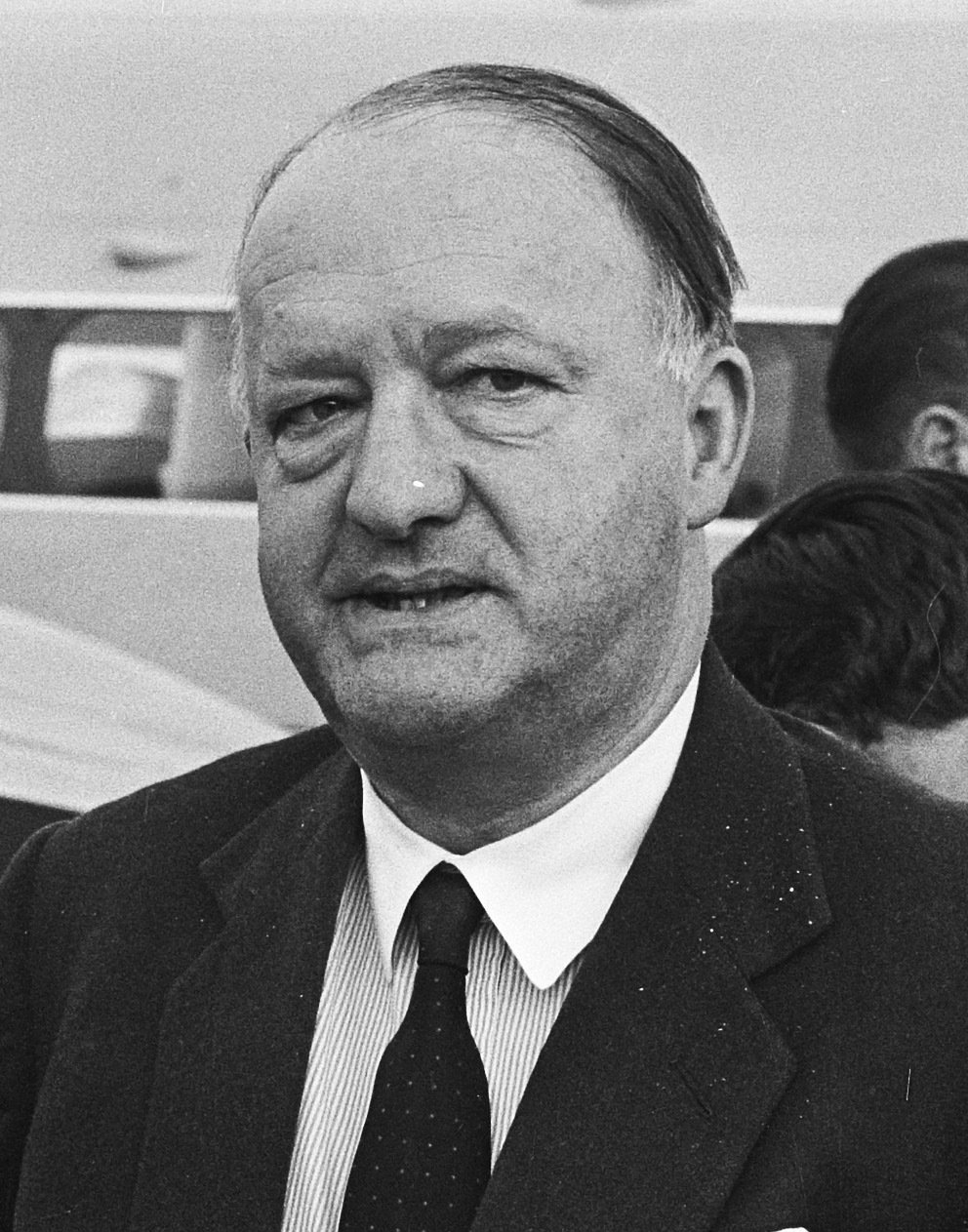
British Conservative statesman Richard 'Rab' Butler (1902–1982), architect of the 1944 Education Act, senior minister across decades and briefly Deputy Prime Minister (1962–63).
Overview
Richard Austen Butler, commonly known as R. A. "Rab" Butler (1902–1982), was a leading figure in 20th‑century British Conservative politics. Over a long parliamentary career he held a number of senior ministerial offices and helped shape post‑war policy in education, finance and domestic affairs. He was created Baron Butler of Saffron Walden and was widely regarded as a pragmatic, moderate voice within his party.
Image gallery
7 Images



Political career and offices
Butler served in successive Conservative governments and was trusted with major departments. He is associated with a range of responsibilities, including:
- senior roles in education administration, culminating in legislation bearing his name;
- high finance and treasury responsibilities at the national level;
- senior domestic offices that involved law, order and government organization;
- a short period as Deputy Prime Minister from 1962 to 1963.
Throughout his career he was seen as a conciliatory, evidence‑driven minister who sought practical reforms rather than ideological showmanship. For further information, see a concise biographical summary: biography of R. A. Butler.
The 1944 Education Act
Butler's most enduring single achievement is the 1944 Education Act, often called the "Butler Act." That measure reorganized state schooling, raised the school leaving age in stages, and established the framework for secondary education in the post‑war United Kingdom. The act is frequently cited as a turning point in British social policy and remains a central part of Butler's public legacy. A general overview of the act and its impact is available at education policy resources.
Later life and legacy
Although often mentioned as a potential party leader and Prime Minister, Butler never held the premiership. He continued to influence Conservative thought after leaving front‑line politics and accepted a peerage as Baron Butler of Saffron Walden. Historians note his role in shaping the moderate, managerial strand of his party and his steady administrative competence.
Death and notable facts
Butler died on 8 March 1982 of colon cancer at Great Yeldham, Great Yeldham, in Essex. His nickname "Rab" — a familiar contraction of Richard used by contemporaries — remains the common way he is referenced in political history. His papers and speeches continue to be consulted by students of mid‑20th century British government.
Author
AlegsaOnline.com Rab Butler (Richard Austen Butler) Leandro Alegsa
URL: https://en.alegsaonline.com/art/129103