
Bonnesvalyn — commune in Aisne, northern France
Bonnesvalyn is a small rural commune in the Aisne department of northern France, historically part of Picardy. Overview of its geography, history, administration, economy and local sites for visitors.
Bonnesvalyn is a small French commune and the basic unit of local government (commune) situated in the historic province of Picardy. It lies within the Aisne administrative department (Aisne) and is commonly associated with the cultural region often called Picardie (Picardie), now part of the broader northern territory of the country (northern France).
Image gallery
2 Images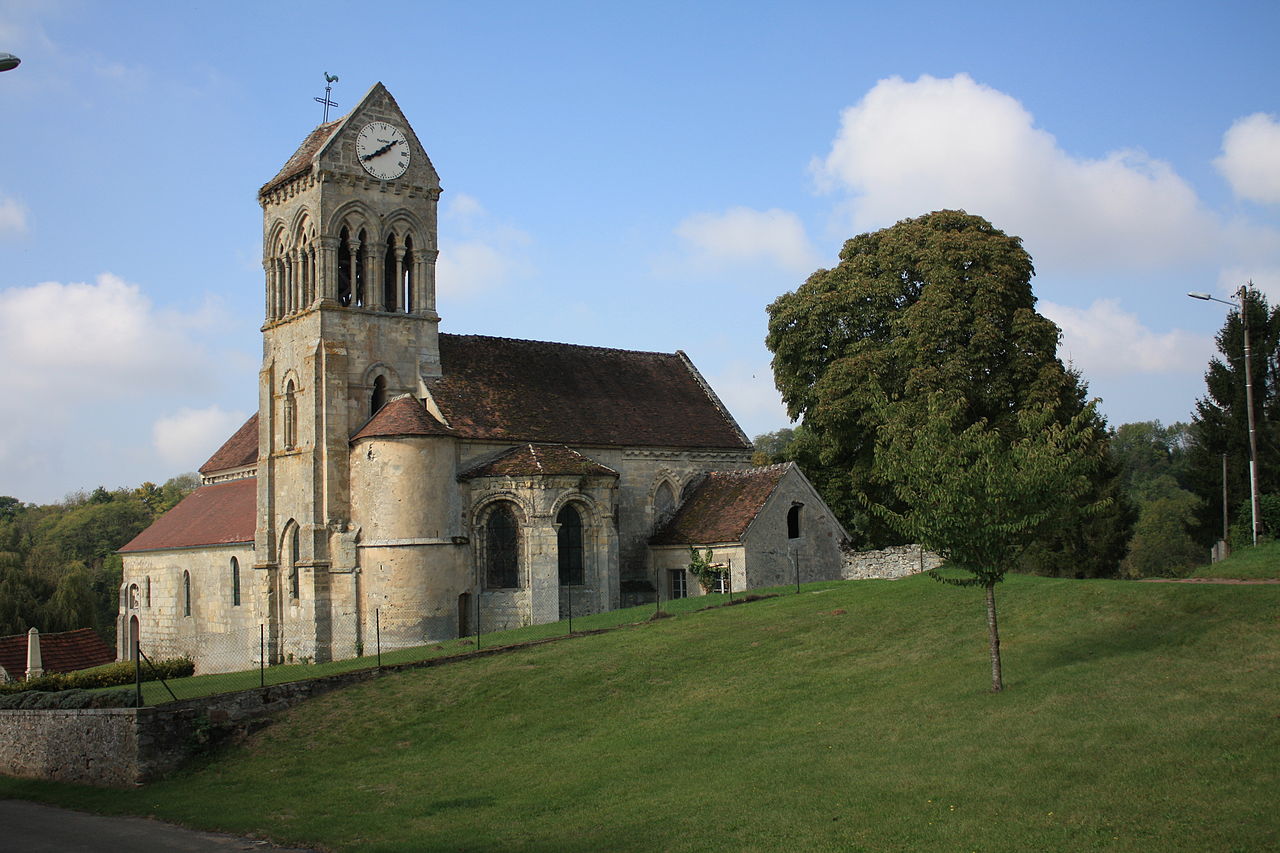

Geography and landscape
Bonnesvalyn occupies a landscape typical of the region, with a mosaic of cultivated fields, hedgerows and small woodlands. Elevations are modest and the terrain is shaped by long agricultural use rather than dramatic relief. The commune is linked by local roads to neighbouring villages and market towns, offering access to larger transport routes that serve the Aisne department and the greater region.
History and development
The settlement pattern in Bonnesvalyn reflects the long rural history of Picardy: medieval origins, gradual agricultural consolidation and continuity of local institutions. Although it has not been the site of major national events recorded in broad histories, the commune shares in the regional historical experiences of rural life, administrative reforms and the impact of twentieth-century conflicts that affected many communities in Aisne.
Local built heritage often includes a parish church or chapel and traditional farmhouses that illustrate common regional architecture. Land divisions and field patterns reflect generations of farming practice, while modern changes have brought new management of woodland and hedgerows to support biodiversity and local landscapes.
Administration and population
Municipal affairs are conducted by a mayor and a municipal council in accordance with French local government law. Basic public services, planning matters and school arrangements are coordinated with higher authorities at the departmental level (department). Demographically, Bonnesvalyn resembles many small rural communes: modest population numbers, a mixture of working farmers, local small businesses, commuters and retirees, and occasional demographic shifts tied to economic opportunity in nearby towns.
Economy, culture and transport
The local economy is dominated by agriculture, supplemented by small-scale trades, artisans and service activities that support village life. Cultural activities are often community-centred: religious festivals, seasonal fêtes, village associations and shared events that sustain social ties. Transport is primarily by road; residents commonly use private vehicles while regional bus or rail connections link to departmental centres and to other parts of northern France.
Notable features and visiting
- Quiet rural scenery, lanes and paths suitable for walking and cycling.
- Local parish church or chapel with regional architectural features.
- Nearby woodland and hedgerow habitats valued for local wildlife.
- Access to markets and services in surrounding Picardie communities (Picardie) and through departmental links (Aisne).
Practical information for visitors and residents is normally available from the commune's administrative pages and from departmental or regional tourist offices. For official notices, municipal decisions or detailed local services consult the commune entry (local commune information), the department portals (department services) or regional guides covering the broader area (regional guides).
Related articles
Author
AlegsaOnline.com Bonnesvalyn — commune in Aisne, northern France Leandro Alegsa
URL: https://en.alegsaonline.com/art/12910