
Queen Sonja of Norway
Queen Sonja (born Sonja Haraldsen, 1937) is Norway’s queen consort, spouse of King Harald V. Known for cultural patronage, charitable work, and representing Norway in public and state duties since 1991.
Queen Sonja (born Sonja Haraldsen on 4 July 1937) is the queen consort of Norway. She assumed the title when her husband, King Harald V, acceded to the throne on 17 January 1991. Sonja is one of the most visible figures in the Norwegian royal family and has played an active public role both at home and abroad.
Image gallery
4 Images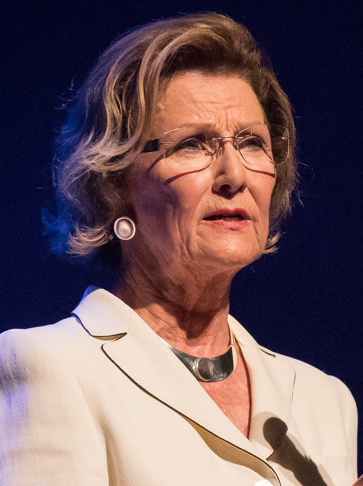


Background and family
Sonja was born into a non-aristocratic family and grew up in Norway. She became engaged to then-Crown Prince Harald after a widely followed courtship that attracted public interest because she did not come from a royal house. The couple have two children, Crown Prince Haakon and Princess Märtha Louise, and the queen has continuing responsibilities as a mother and member of the royal household.
Role as queen and public duties
As queen consort, Sonja supports the monarch in official duties: accompanying state visits, receiving foreign dignitaries, and taking part in ceremonial events. She is frequently present at national ceremonies, cultural openings, and charitable occasions, representing the monarchy’s connection to Norwegian society.
Patronage and public interests
Queen Sonja is noted for long-term engagement with the arts, culture and social causes. Her patronage spans music, visual arts, and cultural heritage. Areas of interest and support include:
- Promotion of the visual and performing arts
- Support for cultural education and craft traditions
- Humanitarian and health-related organizations
Through patronage and public appearances she has helped highlight artists, exhibitions and social projects across Norway and internationally.
Style, interests and legacy
Beyond formal duties, Sonja is recognized for her personal interest in creative fields and for encouraging preservation of cultural expression. Over decades as crown and then queen consort, she has contributed to modernizing the image of the Norwegian monarchy while maintaining its ceremonial roles. Her longevity in public life and consistent support for cultural and social initiatives make her a notable figure in Norway’s contemporary history.
Author
AlegsaOnline.com Queen Sonja of Norway Leandro Alegsa
URL: https://en.alegsaonline.com/art/129071