
President of the Hellenic Republic
The President of the Hellenic Republic is Greece’s head of state. Elected by Parliament, the office is largely ceremonial since constitutional reform in 1986. Current president (since 2020): Katerina Sakellaropoulou.
The President of the Hellenic Republic is the official head of state of Greece and a symbol of national unity. The office was established under the post-junta constitutional settlement of the mid-1970s and functions today largely as a non-executive, representative institution. While the presidency retains a number of formal powers, most day-to-day political authority rests with the Prime Minister and Parliament.
Image gallery
10 Images


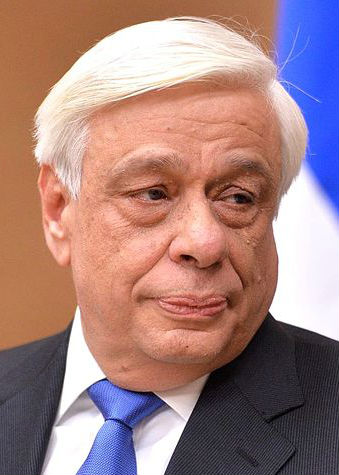




Title and election
The formal Greek title is presented in the native language and transliteration; see the original form Πρόεδρος της Ελληνικής Δημοκρατίας. The president is chosen by the Hellenic Parliament rather than by popular vote; the legislature conducts the election and confirms the winner. This parliamentary election underlines the office’s role within a parliamentary system rather than a presidential one. For information about the national context, consult general references on the state of Greece and the role of the Hellenic Parliament.
Powers and duties
Although the presidency once held broader authorities, constitutional reforms shifted most executive responsibilities to the cabinet. Today the president’s functions are mostly formal and ceremonial, including the promulgation of laws, the accreditation of diplomats, the formal appointment of the prime minister (typically the leader of the parliamentary majority) and other state officials, and representing the country on state visits. The president is also the official head of the armed forces in a ceremonial capacity and performs duties intended to safeguard constitutional order. For the legal definition of the office’s role as head of state see head of state.
History and development
The modern presidency was created in the aftermath of Greece’s transition from military rule and the abolition of the monarchy by popular referendum in 1974. The 1975 constitution established the Hellenic Republic with a president as head of state; subsequent constitutional adjustment in 1986 reduced presidential discretion and reinforced parliamentary government. Over the decades the office evolved from a potentially influential post to one emblematic of continuity and national consensus.
Notable facts and contemporary practice
- Since 2020 the incumbent is Katerina Sakellaropoulou, who is the first woman to hold the presidency.
- The president is usually chosen from respected jurists, senior public figures or statespersons and often is perceived as above everyday party politics.
- Because the election is parliamentary, the office can reflect cross-party agreement or, at times, political negotiation within Parliament.
The modern presidency of Greece therefore combines constitutional formalities with public representation. While the role is not the center of political decision-making, it plays a steadying part in ceremonies, constitutional procedures and international representation. Further procedural details and historical records are available from parliamentary and constitutional sources such as the Hellenic Parliament and specialist studies of contemporary Greek politics (language resources, constitutional summaries).
Author
AlegsaOnline.com President of the Hellenic Republic Leandro Alegsa
URL: https://en.alegsaonline.com/art/128971