
Pope Paul III (Alessandro Farnese)
Pope Paul III (Alessandro Farnese) led the Catholic Church from 1534 to 1549; he convened the Council of Trent, approved the Jesuits, founded the Roman Inquisition and was a major Renaissance patron.
Overview
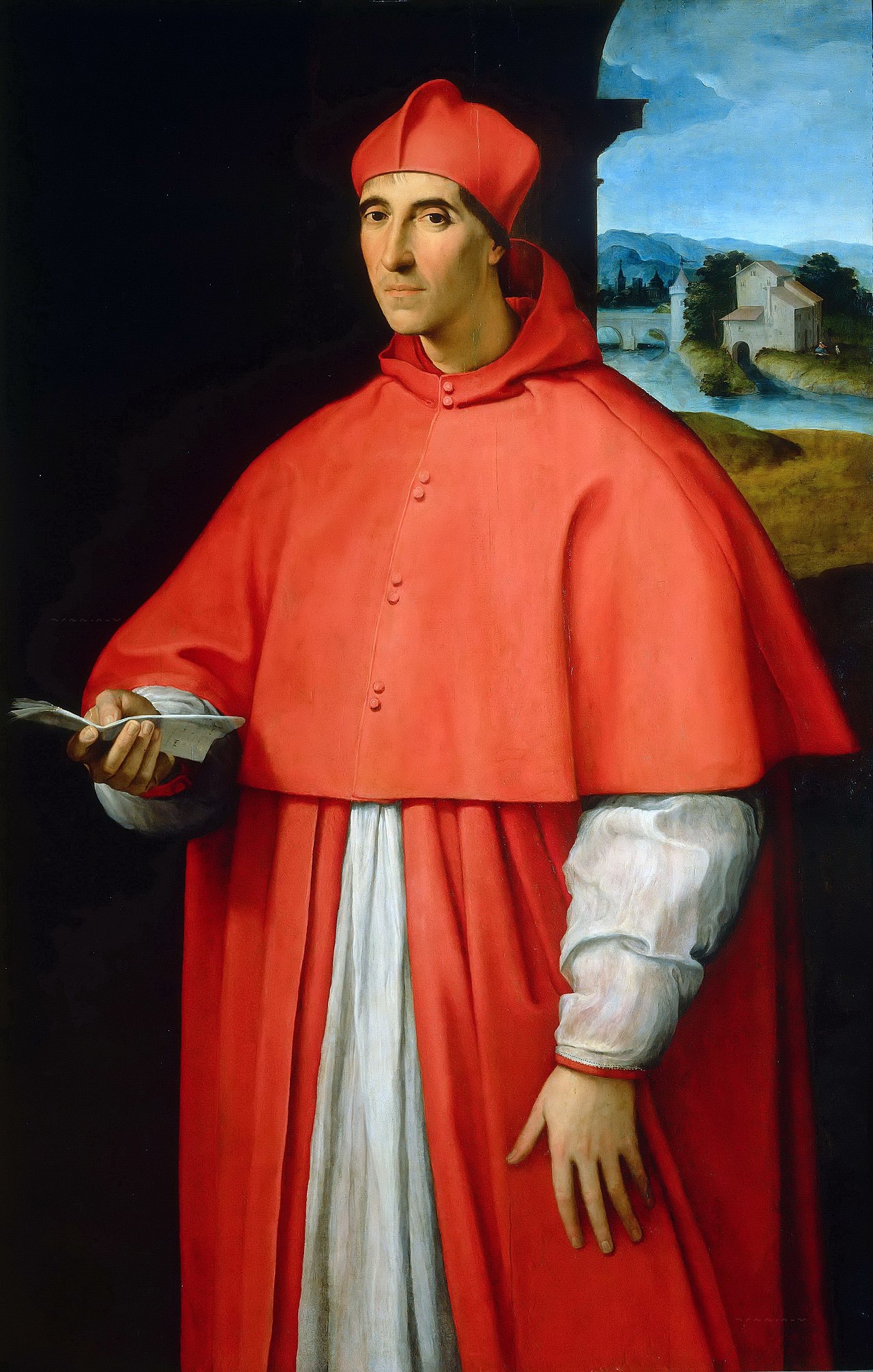
Pope Paul III, born Alessandro Farnese in 1468 and pope from 1534 until his death in 1549, presided over the Catholic Church during a turbulent phase of the European Reformation. His pontificate is remembered for initiating institutional responses to Protestantism while also reflecting the politics and family interests of Renaissance Rome. For a concise list of popes and the broader succession, see the papal register at list of popes.
Image gallery
10 Images



Background and rise
Alessandro Farnese came from an influential Italian noble family and had long experience in ecclesiastical and diplomatic service before his election. As cardinal and statesman he moved among royal courts and Roman circles, building the connections that later shaped his policies as pope. More detailed life accounts and documents can be found in specialist biographies and collections referenced at his biography.
Reforms, councils and institutions
Confronted with the spread of Protestant doctrines and widespread calls for clerical reform, Paul III took several consequential steps. He gave formal approval to the Society of Jesus, which became a leading force in Catholic renewal. He convoked the Council of Trent, which met intermittently beginning in the 1540s and set the agenda for doctrinal clarification and disciplinary reform. During his reign the Roman Inquisition was also organized to enforce doctrinal conformity and investigate heresy. These measures together marked the early phase of what historians call the Counter-Reformation; for institutional context see Catholic Church institutions.
Patronage, politics and family
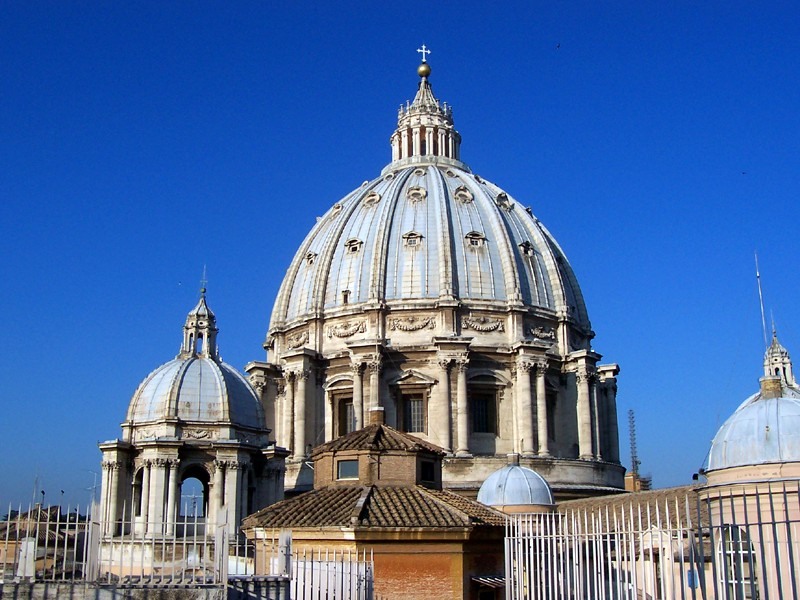
Paul III was an active patron of art and architecture. He commissioned major projects that shaped the appearance of Rome in the Renaissance period and supported artists and architects associated with that renewal. At the same time his papacy displayed strong familial politics: he appointed relatives to prominent positions and used papal resources to advance the fortune of the Farnese house. This mixture of cultural sponsorship and nepotism is often highlighted in studies of Renaissance popes.
Legacy and significance
Historians regard Paul III as a complex figure: a reforming pope who nonetheless operated within the dynastic and political norms of his age. His authorization of the Jesuits, convocation of the Council of Trent, and establishment of inquisitorial structures had long-term consequences for Catholic renewal, education and discipline. His patronage left visible monuments in Rome and in the collections associated with the Farnese family. Together these actions helped shape the church's response to the challenges of the sixteenth century.
Notable acts
- Approval of the Society of Jesus (Jesuits)
- Convening of the Council of Trent
- Organization of the Roman Inquisition
- Extensive patronage of art and architecture
- Promotion of members of the Farnese family to key positions
Author
AlegsaOnline.com Pope Paul III (Alessandro Farnese) Leandro Alegsa
URL: https://en.alegsaonline.com/art/128916