
Pope Leo II (611–683) — Pontificate and Legacy
Pope from 682 to 683 who confirmed the decisions against Monothelitism, reinforced Roman authority over Ravenna, abolished a pallium tax, and is remembered as a saint of the Catholic Church.
Overview
Pope Leo II (born about 611, died 28 June 683) led the Catholic Church from 17 August 682 until his death the following year. His brief pontificate concentrated on consolidating papal authority, implementing the decisions of the recent ecumenical council, and settling disputes with the church in Ravenna. He is traditionally regarded as a saint and commemorated for his role in defending orthodox doctrine.
Image gallery
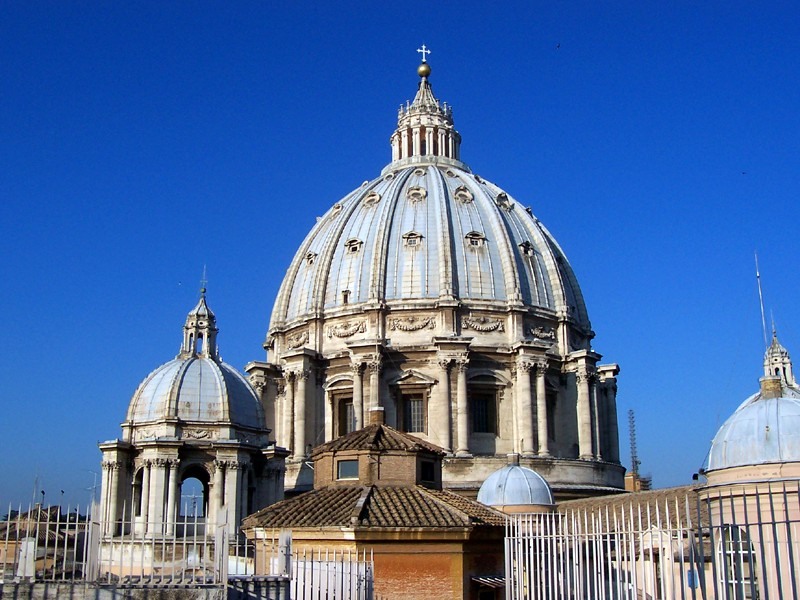
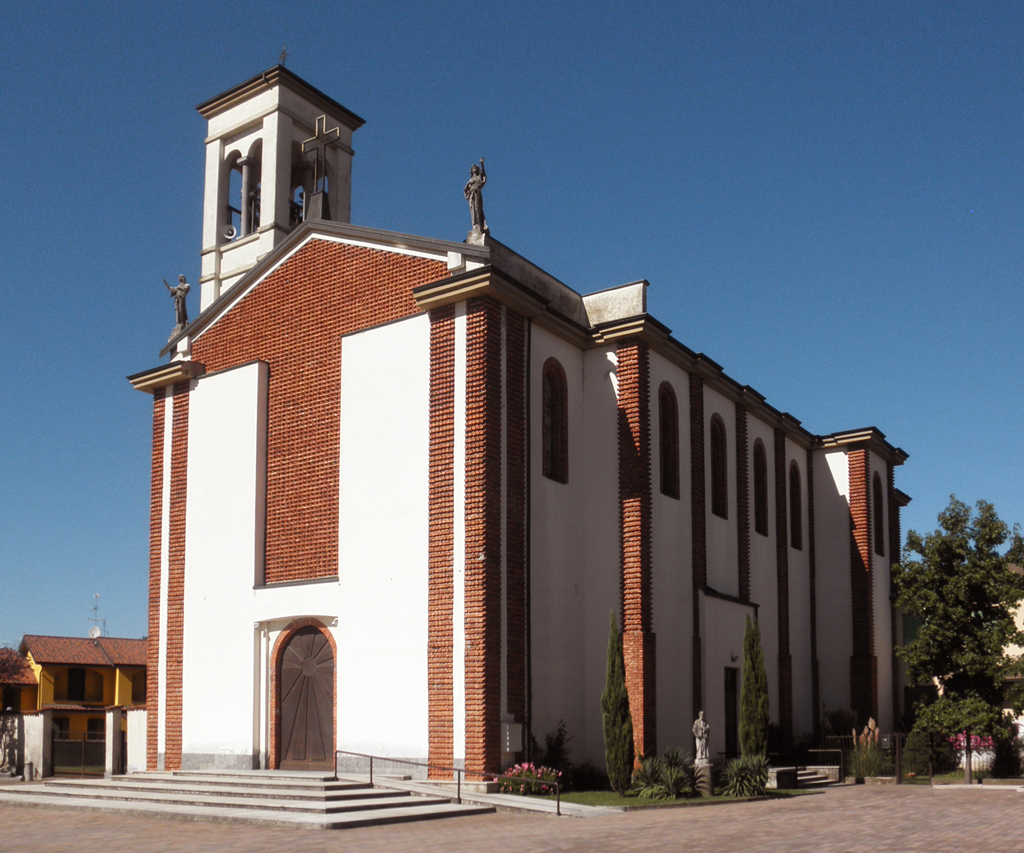
3 Images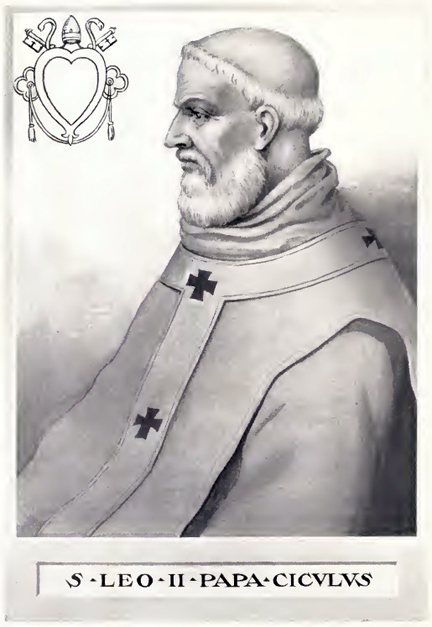
Character and background
Little is recorded about Leo's early life beyond his Roman origins and clerical career before election. Contemporary accounts emphasize his pastoral concern and measured legal responses to ecclesiastical conflicts. As pope he followed the policies of his predecessor in seeking doctrinal unity across the Latin and Greek churches.
Major acts of his pontificate
One of Leo II's principal achievements was the formal confirmation and publication of the decisions taken at the Sixth Ecumenical Council (the Third Council of Constantinople, 680–681), which had condemned Monothelitism. By ratifying the council's canons and communicating them widely, he helped to strengthen consensus on Christological doctrine in the West and East.
Relations with Ravenna
Leo II also addressed a long-running challenge to the authority of the Bishop of Rome posed by the archbishops and bishops of Ravenna. He insisted on the primacy of the Roman see and stopped practices that undermined that relationship. In particular, he abolished a customary payment previously levied when a bishop received the pallium, a gesture that reduced a source of tension and financial burden for Ravenna's clergy.
Notable decisions and legacy
- Ratified the Sixth Council's condemnation of Monothelitism and circulated its canons.
- Reinforced Roman jurisdiction over Ravenna and ended the pallium fee.
- Maintained continuity with his predecessors in defending doctrinal unity.
Leo II's reign was short but consequential. His confirmations of council rulings helped stabilize doctrinal disputes inherited from earlier decades, and his administrative measures clarified relations within the Western church. He was buried in a monument in Rome and later reinterred in a tomb that came to include the remains of the early Popes named Leo. For further introductions to his life and context see entries on the papacy, the Ravenna church, and studies of late 7th-century church councils and archbishops who negotiated authority with Rome.
Author
AlegsaOnline.com Pope Leo II (611–683) — Pontificate and Legacy Leandro Alegsa
URL: https://en.alegsaonline.com/art/128906