
Pope Gregory XIII — life, reforms and the Gregorian calendar
Pope Gregory XIII (Ugo Boncompagni, 1502–1585) reigned 1572–1585. A jurist and reforming pope, he is best known for introducing the Gregorian calendar and for promoting Catholic education and missions.
Overview
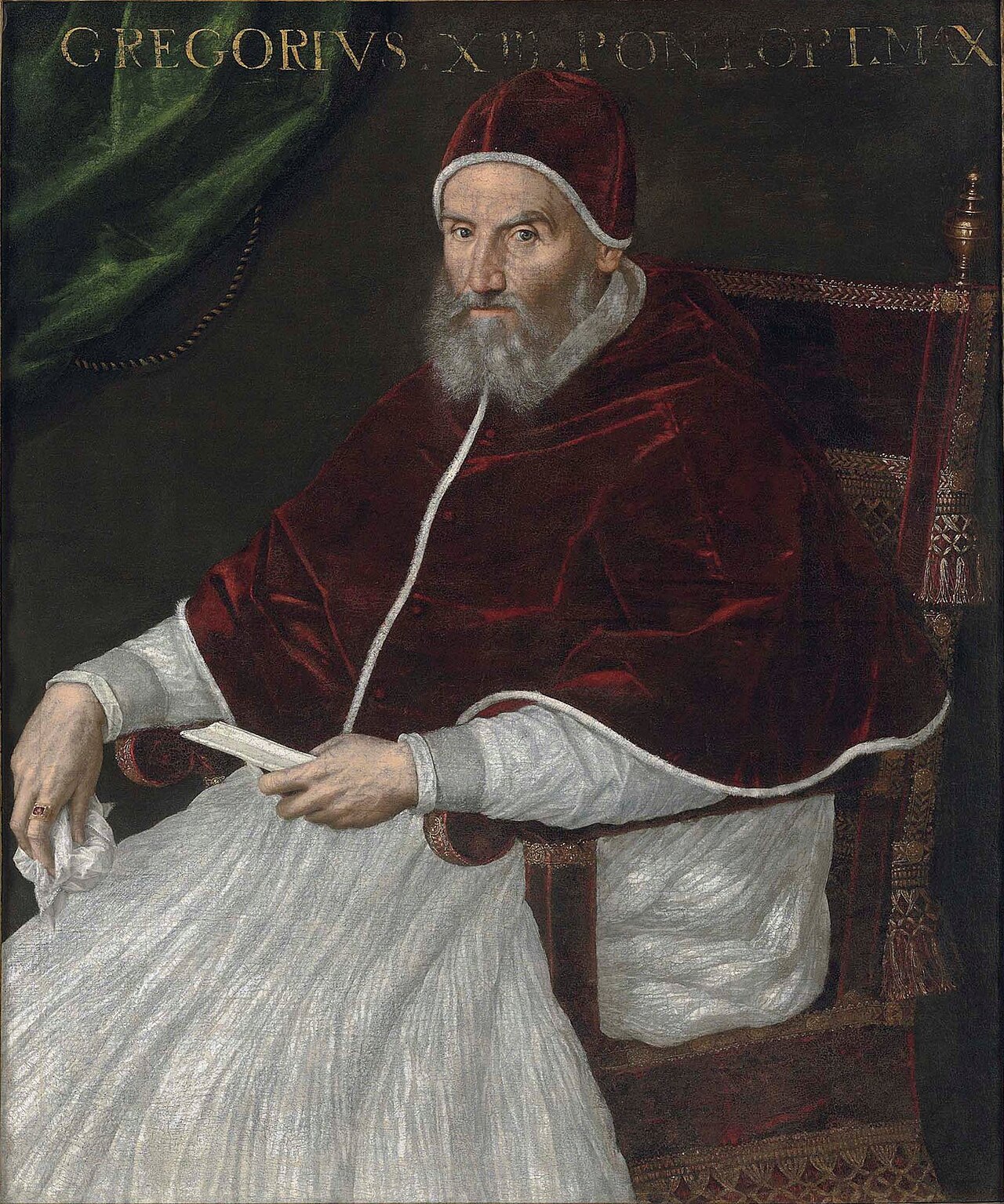
Pope Gregory XIII (born Ugo Boncompagni; 7 January 1502 – 10 April 1585) was head of the Roman Catholic Church from 13 May 1572 until his death in 1585. A trained lawyer and longtime member of the church administration, he is most widely remembered for the calendar reform that bears his name. His pontificate combined administrative reforms, support for Catholic education and missionary activity, and active patronage of church institutions.
Image gallery
8 Images




Early life and career
Born into an Italian family, Boncompagni trained in law and gained a reputation as a scholar and canonist. Before his election he served in several curial roles, building experience in legal and ecclesiastical governance. His background shaped his approach to the papacy: methodical, attentive to calendars and schedules, and inclined toward institution-building.
Calendar reform
Gregory XIII convened scholars and experts to correct accumulated drift in the Julian calendar. The reform, issued by papal decree in 1582, adjusted the leap-year rule and realigned the civil year with the solar cycle. The most visible change was the omission of several days in October 1582 to restore the date of the spring equinox. The revised system — known as the Gregorian calendar — introduced the century rule for leap years and gradually became the international civil standard over subsequent centuries.
Policies, patronage and activities
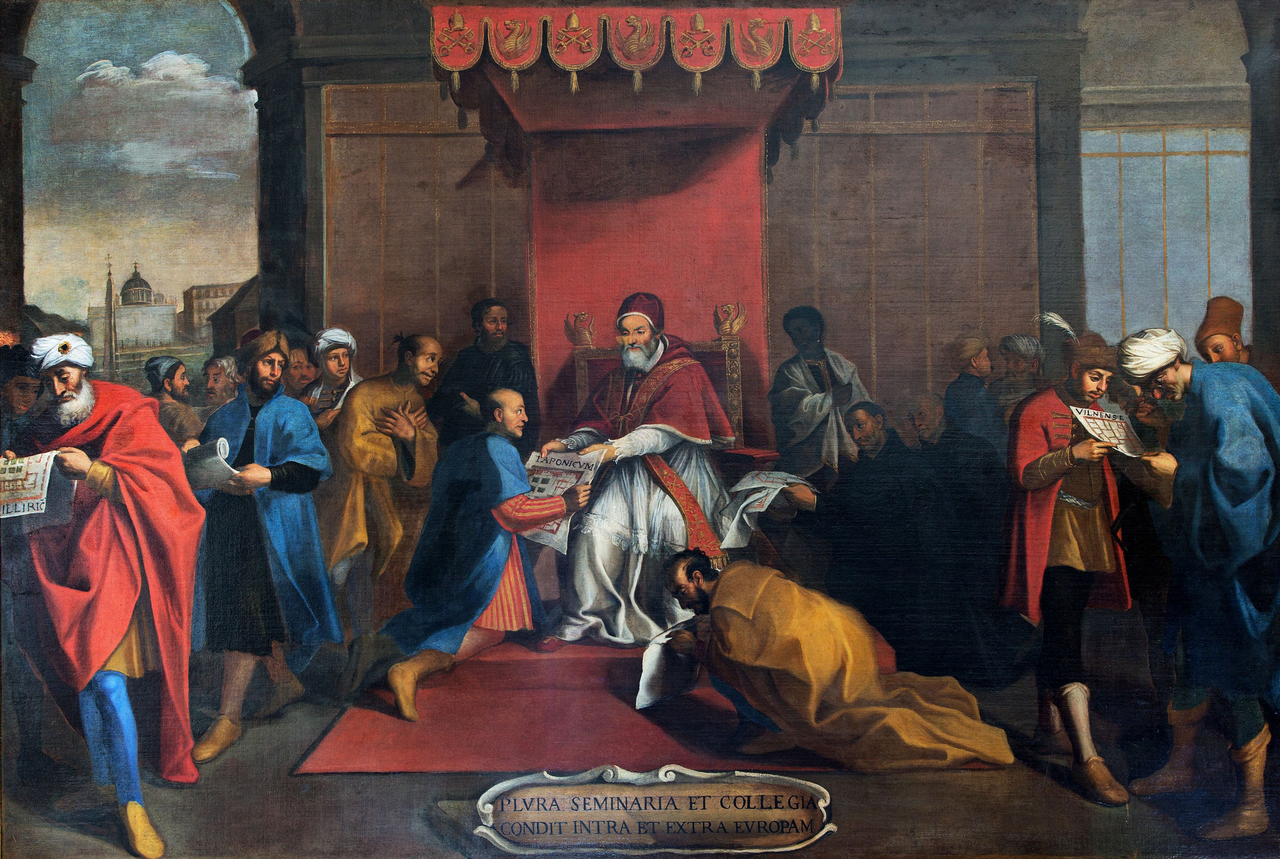
Beyond the calendar, Gregory XIII prioritized clerical education and the strengthening of the church's institutions. He supported the establishment and expansion of seminaries, backed missionary work overseas, and was a patron of religious scholarship. His administration appointed many bishops and cardinals and sought to implement reforms of clergy training and discipline begun during the Council of Trent.
Notable facts and legacy
- His name is permanently associated with the calendar reform adopted in 1582 and later worldwide.
- He used his legal and administrative experience to reorganize parts of the papal bureaucracy and to promote education.
- Gregory XIII's reforms contributed to the Counter-Reformation effort to revitalize Catholic institutions in the late 16th century.
Although some of his policies were contested in Protestant countries and the calendar took time to spread, Gregory XIII's measures had long-term impact on timekeeping, church governance and the international organization of civil life.
Author
AlegsaOnline.com Pope Gregory XIII — life, reforms and the Gregorian calendar Leandro Alegsa
URL: https://en.alegsaonline.com/art/128881