
Pope Gregory IX (Ugolino dei Conti di Segni): canon law, reform, and papal policy
Pope Gregory IX (c.1145–1241), born Ugolino dei Conti di Segni, led the Catholic Church 1227–1241. Noted for codifying canon law, canonizing mendicant founders, and a long conflict with Emperor Frederick II.
Overview: Pope Gregory IX (born Ugolino dei Conti di Segni, c.1145–22 August 1241) was head of the Roman Catholic Church from 19 March 1227 until his death. A member of the Conti di Segni family and a nephew of Pope Innocent III, he combined administrative reform, legal codification and energetic papal diplomacy during a tumultuous period for church and empire.
Image gallery
5 Images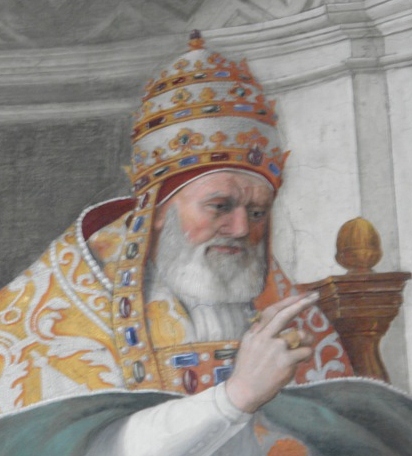



Early life and career
Ugolino was raised in a noble Roman family that provided several high-ranking churchmen. He entered the papal service under his uncle and was raised to the College of Cardinals before the turn of the thirteenth century. His long experience in the curia and as a papal legate prepared him for leadership of the church when he became pope in 1227.
Major acts and reforms
Gregory IX is best known for commissioning a systematic collection of canon law, the decretals issued under his authority and gathered in the work commonly called the Liber Extra (1234). He supported ecclesiastical discipline, sought to regulate the clergy, and strengthened papal institutions that managed justice and administration.
Religious orders, inquisition, and canonizations
His pontificate recognized and shaped the new mendicant orders: he canonized Saint Francis of Assisi (1228) and Saint Dominic (1234), giving formal papal approval to movements that had already popular support. In the 1230s Gregory also formalized procedures for combating heresy by appointing papal inquisitors and issuing directives for their work—measures intended to bring uniformity to the church's response to doctrinal dissent.
Conflict with the emperor
Relations with Emperor Frederick II marked much of Gregory's reign. The pope and the emperor clashed repeatedly over authority in Italy, the timing and conduct of crusading commitments, and the balance between secular and ecclesiastical power. These disputes led to public censures and, on more than one occasion, to formal penalties against the emperor, reflecting a broader medieval struggle between papal and imperial claims.
Legacy and assessments
Gregory IX left a durable institutional imprint: his legal collections shaped canon law for centuries, his endorsements promoted the growth of the mendicant orders, and his inquisitorial measures altered how the church addressed heresy. Historians note both his strength in organizing papal government and the burdens his confrontations imposed on relations with secular rulers. For more on his life and papacy see a general papal overview at Papal history and a focused biography resource at Gregory IX biography.
- Reigned: 1227–1241
- Notable acts: decretals (Liber Extra), canonizations, establishment of inquisitorial procedures
- Family: Conti di Segni; nephew of Innocent III
Author
AlegsaOnline.com Pope Gregory IX (Ugolino dei Conti di Segni): canon law, reform, and papal policy Leandro Alegsa
URL: https://en.alegsaonline.com/art/128874