
Pope Damasus II (Poppo) — brief 1048 pontificate
Pope Damasus II (born Poppo; died 9 Aug 1048) was a German cleric who served as pope for 24 days in 1048. His short reign reflects imperial influence over the papacy in the mid‑11th century.
Pope Damasus II, born Poppo and deceased 9 August 1048, was a German cleric who occupied the papal throne for only twenty‑four days in July–August 1048. His nationality and brief tenure place him among the sequence of mid‑11th century pontiffs whose selection was shaped by secular power. He is generally numbered as the 152nd pope.
Image gallery
4 Images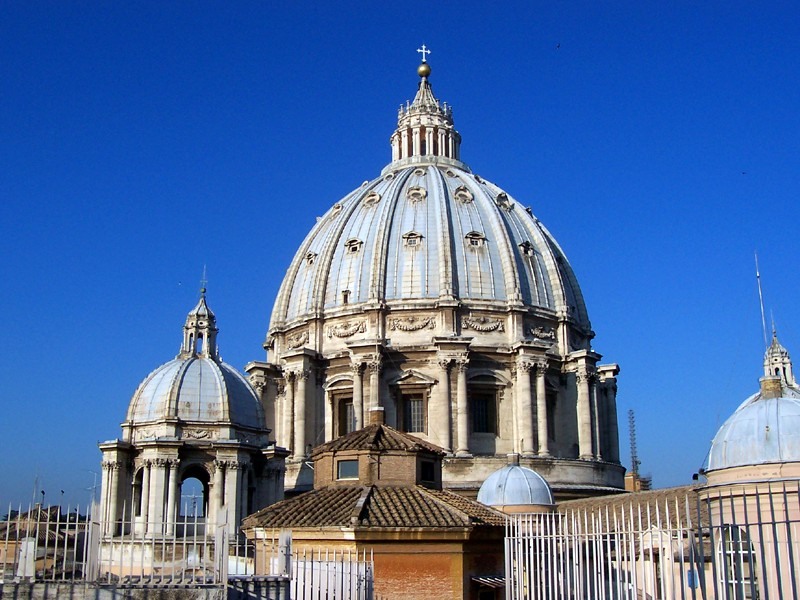


Background
Contemporary records give few reliable details about Poppo's early life. He came from the German‑speaking territories of the Holy Roman Empire and had risen in the ecclesiastical ranks there before his election. His appointment reflected the strong interest of the emperor in Roman affairs: the imperial court exerted decisive influence over papal selection during this period.
Papacy and events
Damasus II's reign began on 17 July 1048 but ended abruptly with his death on 9 August 1048. The brevity of his pontificate limited any administrative or doctrinal initiatives. Contemporary chronicles mention his arrival in Rome and a very short government; the exact circumstances of his death are not definitively established and have been described variously as sudden illness or, in some accounts, suspected foul play.
Legacy and significance
Because he held office for only a few weeks, Damasus II left little direct impact on church law or liturgy. Historically he is notable mainly as an example of the imperial role in appointing popes before the Gregorian reforms. He is counted as the third German to become bishop of Rome, a detail often cited in surveys of national origins of popes.
- Given name: Poppo.
- Pontificate: 17 July–9 August 1048.
- Nationality: German. (source context)
- Church: Roman Catholic Church.
- Position: Pope (152nd, by traditional lists).
For readers seeking further context about 11th‑century papal selection and imperial influence, consult general histories of the period that cover the reforms and politics of the Holy Roman Empire and the papacy.
Questions and answers
Q: Who was Pope Damasus II?
A: Pope Damasus II was a German priest of the Roman Catholic Church who served as the 152nd Pope for only 24 days from July 17 to August 9, 1048.
Q: When did Pope Damasus II serve as Pope?
A: Pope Damasus II served as Pope for only 24 days from July 17 to August 9, 1048.
Q: What was Pope Damasus II's birth name?
A: Pope Damasus II's birth name was Poppo.
Q: How many Germans have become Pope?
A: Pope Damasus II was the third German to become Pope.
Q: What was Pope Damasus II's Latin name?
A: Pope Damasus II's Latin name was Damasus Secundus.
Q: When did Pope Damasus II die?
A: Pope Damasus II died on August 9, 1048.
Q: How long did Pope Damasus II serve as Pope?
A: Pope Damasus II served as Pope for only 24 days.
Author
AlegsaOnline.com Pope Damasus II (Poppo) — brief 1048 pontificate Leandro Alegsa
URL: https://en.alegsaonline.com/art/128863