
Pope Clement VII (Giulio de' Medici): Papacy, politics, and legacy
Pope Clement VII (Giulio de' Medici) led the Catholic Church from 1523–1534. His reign was defined by the sack of Rome, the English schism over Henry VIII, and turbulent European diplomacy during the Reformation.
Pope Clement VII, born Giulio di Giuliano de' Medici (26 May 1478 – 25 September 1534), was a leading figure of the Italian Renaissance and the head of the Roman Catholic Church from 1523 until his death. A member of the Medici family, he assumed the papal office at a moment of intense political and religious upheaval across Europe, when monarchs, emperors and reformers were contesting authority.
Image gallery
10 Images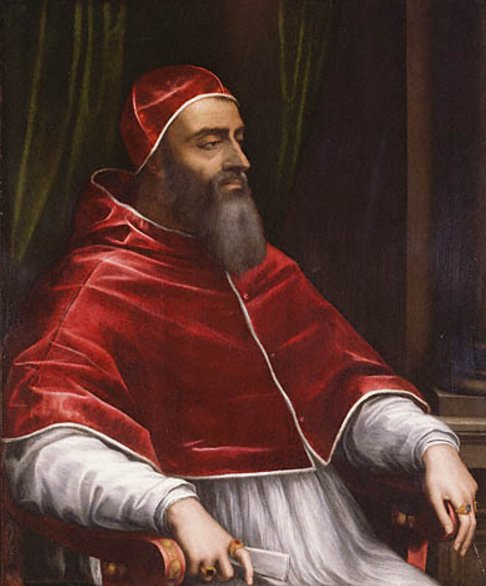


Background and election
Raised within the circle of Florence's powerful Medici, Giulio pursued an ecclesiastical career before being chosen to succeed his predecessor. His election reflected the complex balance of Italian and foreign interests at the papal conclave. As pope he combined traditional religious duties with active involvement in diplomatic and military affairs.
Major events and policies
Clement VII's pontificate is often remembered for its dramatic crises. He formed coalitions to resist imperial dominance, most notably the League of Cognac, seeking to curb the influence of the Holy Roman Emperor. That contest contributed to one of the most traumatic moments of the era: the sack of Rome in 1527, which severely weakened papal authority and altered the city's political landscape.
- The international rivalries between France, the Habsburgs and Italian states dominated his foreign policy.
- His handling of King Henry VIII's request for an annulment helped precipitate England's break with Rome and the wider Reformation-era fragmentation.
- Clement navigated fiscal strain, shifting alliances, and the pastoral demands of a changing Church.
Patronage and legacy
Continuing the Medici tradition of artistic patronage, Clement supported architects and artists, contributing to Rome's Renaissance culture. Historians generally view his papacy as troubled: politically ambitious but constrained by military setbacks and diplomatic misjudgments. His decisions had lasting consequences for the papacy's temporal power and for European religious history.
For further context on his life and the period, consult biographies and studies of early 16th-century papal politics and the wider upheavals of the era. Additional references and primary sources are available through major research collections and specialized histories of the Italian clerical world and the role of the Pope in Renaissance diplomacy.
Questions and answers
Q: Who was Pope Clement VII?
A: Pope Clement VII was an Italian cleric of the Roman Catholic Church who served as the 220th Pope from 1523 to 1534.
Q: What was Pope Clement VII's birth name?
A: Pope Clement VII's birth name was Giulio di Giuliano de' Medici.
Q: When was Pope Clement VII born?
A: Pope Clement VII was born on May 26, 1478.
Q: When did Pope Clement VII serve as Pope?
A: Pope Clement VII served as Pope from 1523 to 1534.
Q: What was Pope Clement VII's Latin name?
A: Pope Clement VII's Latin name was Clemens Septimus.
Q: What is the significance of Pope Clement VII's papal reign?
A: Pope Clement VII's papal reign was marked by political and religious turmoil, including the Sack of Rome in 1527 and the Protestant Reformation.
Q: When did Pope Clement VII die?
A: Pope Clement VII died on September 25, 1534.
Author
AlegsaOnline.com Pope Clement VII (Giulio de' Medici): Papacy, politics, and legacy Leandro Alegsa
URL: https://en.alegsaonline.com/art/128861