
Pierre Cardin: Life, Design, and Cultural Influence
Overview of Pierre Cardin, the Italian-born French designer known for Space Age fashions, commercial licensing, and a long international career in haute couture and ready-to-wear.
Overview
Pierre Cardin (born Pietro Cardin; 2 July 1922 – 29 December 2020) was an Italian-born French fashion designer whose work helped define mid‑20th century modernism in clothing. His name is widely associated with futuristic silhouettes, bold geometry and an early embrace of ready-to-wear production. For pronunciation references see UK pronunciation and US pronunciation. Cardin’s origins are sometimes noted as Italian-born before he established himself in France.
Image gallery
10 Images



Design and innovations
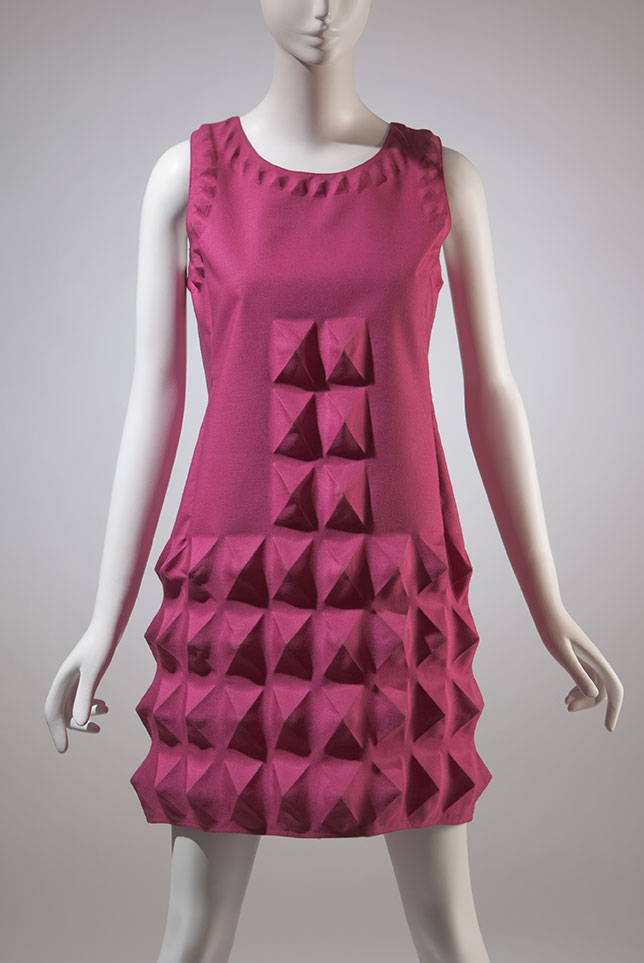
Cardin gained attention for what critics called a avant-garde sensibility: streamlined shapes, modular panels, and a Space Age aesthetic that favored synthetic materials and forward-looking cuts. He challenged traditional couture lines with garments that emphasized architectural form over ornamentation. Cardin was an early proponent of ready-to-wear lines and experimented with unisex styles, adapting theatrical motifs and geometric forms into wearable clothes.
Business approach and legacy
Beyond the atelier, Cardin became notable for turning his name into a global brand. He licensed designs across many product categories—perfume, accessories, home goods and furniture—making his work omnipresent in the latter half of the 20th century. This business model expanded fashion’s commercial possibilities but also sparked debate among purists about brand dilution. Regardless, Cardin’s entrepreneurial methods influenced how designers think about licensing and brand extension today.
Personal life, honors and notable facts
Cardin’s private life received public attention. He had a well-known four‑year relationship with actress Jeanne Moreau in the 1960s and was widely reported to be gay; readers can find more on his personal life through biographical sources. He served in public roles as well, being named a UNESCO Goodwill Ambassador and later a FAO Goodwill Ambassador. His career won him both popular recognition and institutional honors.
Death and continued influence
Pierre Cardin died on 29 December 2020 at a hospital in Neuilly-sur-Seine. His influence endures in contemporary fashion through designers who cite his structural approach, his embrace of new materials, and the idea that a designer’s name can be a global commercial force. Collectors and museums continue to study his pieces as emblematic of a postwar moment when fashion looked to the future.
Key characteristics
- Futuristic, geometric silhouettes
- Early adoption of ready-to-wear and unisex garments
- Extensive licensing and brand diversification
- Recognition by international cultural organizations
Author
AlegsaOnline.com Pierre Cardin: Life, Design, and Cultural Influence Leandro Alegsa
URL: https://en.alegsaonline.com/art/128761