
Phil Crane: Long-serving conservative U.S. Representative from Illinois
Profile of Phil Crane (1930–2014), a Republican U.S. Representative from Illinois (1969–2005), his political career, conservative positions, campaigns, and legacy.
Overview
Philip Miller "Phil" Crane (November 3, 1930 – November 8, 2014) was an American Republican politician who represented a suburban Chicago congressional district in the U.S. House of Representatives from 1969 until his electoral defeat in 2004. During his final years in office he was the longest-serving Republican member of the House. Crane was widely regarded as a leading voice of modern conservatism in Congress and played an active role in debates over tax policy, government spending, and national defense.More on his congressional service
Image gallery
3 Images
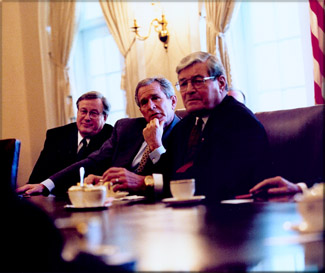
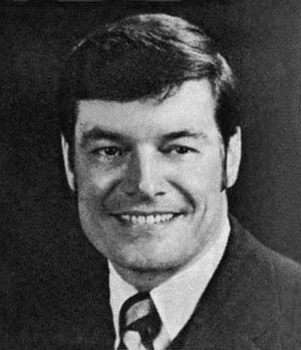
Early life and entry into politics
Born in Chicago in 1930, Crane's formative years were spent in the region he later represented. He entered public life at a time of shifting political currents in the United States, when conservative ideas were gaining influence within the Republican Party. His election to the House in 1968 came amid a broader conservative mobilization in Illinois and nationwide.Background information
Congressional career and political positions
In Congress Crane became known for his fiscal conservatism, advocacy of reduced federal spending, lower taxes, and a stronger posture against communist states during the Cold War. He aligned with the conservative wing of his party and often championed free-market arguments and limited government principles. Crane was also active on issues of social policy and was regarded as a stalwart of the conservative coalition that influenced Republican priorities in the 1970s and 1980s.His legislative record
Campaigns and leadership roles
Crane sought broader influence within national politics, including a bid for the Republican presidential nomination in 1980. Although his campaign did not succeed, it reflected his prominence among conservatives of that era. He held various roles in congressional groups and caucuses that advanced conservative policy objectives and mentored younger lawmakers who shared his outlook.Campaign details
Later years and legacy
Defeated in the 2004 election by a Democratic challenger, Crane left office after more than three decades in the House. Observers credit him with helping to shape the modern conservative movement in Congress and with consistently promoting small-government and pro-business policies. He died of lung cancer on November 8, 2014, at his daughter's home in Maryland. For summaries of his life and obituaries see contemporary accounts.Obituary and remembrances
Notable aspects
- Long tenure: one of the longest-serving Republicans in the House at the time of his departure.
- Conservative leadership: influential in shaping fiscal and foreign-policy debates.
- National ambitions: a candidate for the Republican presidential nomination during the 1980 cycle.
- Regional representative: served communities in the northwestern suburbs of Chicago for multiple terms.
Crane's career illustrates the growth and institutionalization of conservative ideas in the late 20th century U.S. Congress, and his record remains a reference point for scholars and political historians studying that period.
Author
AlegsaOnline.com Phil Crane: Long-serving conservative U.S. Representative from Illinois Leandro Alegsa
URL: https://en.alegsaonline.com/art/128704