
Phil Bryant (American politician)
Dewey Phillip "Phil" Bryant (born December 9, 1954) is an American Republican politician from Mississippi who served as the state's 63rd governor from 2012 to 2020.
Overview
Dewey Phillip "Phil" Bryant (born December 9, 1954) is an American politician affiliated with the Republican Party. He served as Mississippi's 63rd governor from January 2012 to January 2020. Prior to his governorship, Bryant was elected the state's 31st lieutenant governor in 2007 and held other statewide roles that raised his profile in Mississippi politics. His public career has been marked by an emphasis on conservative policy priorities, business attraction and law-and-order themes.
Image gallery
3 Images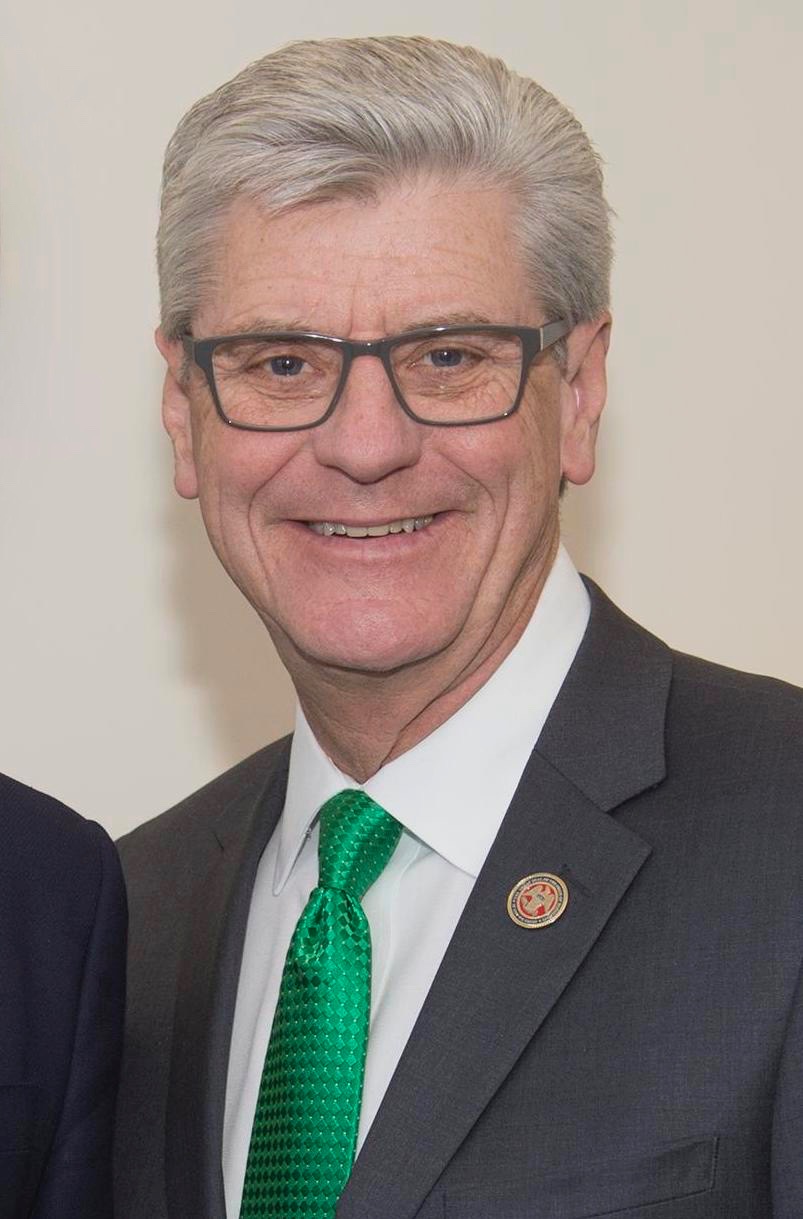


Early life and career
Bryant was born and raised in Mississippi. He worked for many years in state government and Republican party activities before winning statewide office. Those early positions provided administrative and political experience that helped him in subsequent campaigns. He built a reputation among conservative voters for fiscal restraint and support for traditional social positions.
Lieutenant governor and path to the governorship
After winning the 2007 election for lieutenant governor, Bryant presided over the state senate and gained visibility on legislative priorities and appointments. He was the Republican nominee for governor in 2011, defeating the Democratic candidate and taking office in January 2012. He won re-election in 2015 and completed two full terms in 2020, the customary limit for consecutive service under state law.
Governorship: priorities and actions
During his two terms, Bryant pursued policies intended to attract new business investment, manage state budgets, and support conservative social agendas. His administration worked with the legislature on tax and regulatory measures aimed at economic development, while also advocating for measures such as stricter abortion regulations and voting rules favored by many in his party. Education, infrastructure, and public safety were recurring themes in his public statements and initiatives.
Reception and controversies
Bryant's policies drew support from Republican constituencies and business groups but also criticism from civil rights organizations and Democrats who argued that some initiatives disproportionately affected low-income and minority residents. Like many modern governors, he faced scrutiny over responses to natural disasters, public health events and budgetary trade-offs between services and tax policy.
Legacy and further information
Observers assess Bryant's legacy in the context of Mississippi's political shift toward sustained Republican control in the 2010s and the governance challenges of a largely rural state. For official biographies, archival materials and detailed records of elections and executive actions, consult state resources and reputable reporting: official biography, party resources at party pages, Mississippi state portals at state resources, gubernatorial archives at governor's office, and legislative histories involving the lieutenant governor's office.
Author
AlegsaOnline.com Phil Bryant (American politician) Leandro Alegsa
URL: https://en.alegsaonline.com/art/128701