
Philip IV of France (Philip the Fair)
King of France from 1285 to 1314 who centralized royal authority, reformed fiscal administration, fought in Flanders and England, and presided over major controversies including the suppression of the Templars.
Philip IV (1268–29 November 1314) was King of France from 1285 until his death. Often called Philip the Fair (French: le Bel), he is remembered for strengthening the monarchy, expanding royal administration and finances, and provoking sharp conflicts with powerful social and religious groups. His marriage to Joan I brought him the crown of Navarre, binding the two realms by dynastic union for a generation.
Image gallery
9 Images


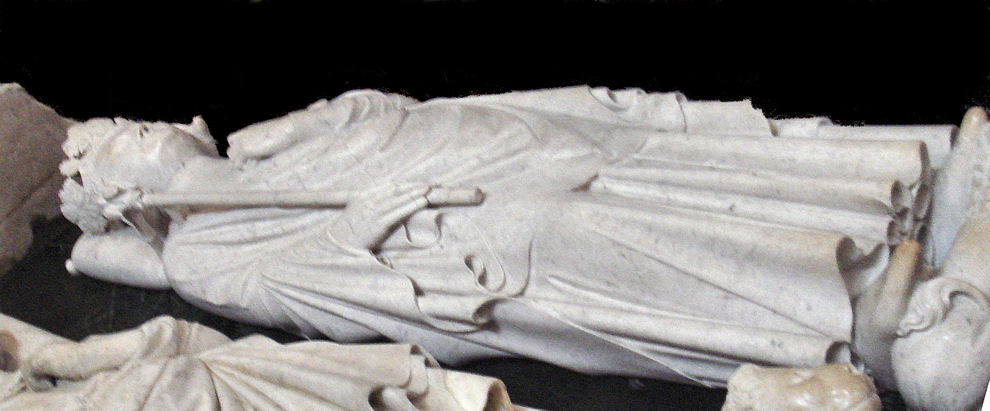

Reforms and government
Philip relied on an increasingly professional bureaucracy of lawyers, clerks and royal officers rather than purely feudal retainers. He reorganized royal revenue collection, used written records and accounting to manage state funds, and summoned representatives of the three estates to seek political support and consent for taxation. For surviving primary accounts and later studies see contemporary chronicles and selected administrative registers collections.
Wars and diplomacy
His reign included military campaigns in Flanders and disputes with the kings of England over territories in southwestern France. These conflicts tested royal resources and influenced alliances with neighboring powers. Philip combined force with diplomacy, sometimes exchanging territory, marriages and concessions to secure his objectives and to assert the prestige of the Capetian crown.
Controversies and notable actions
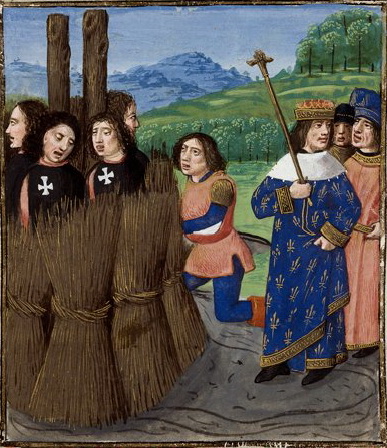
Philip is closely associated with several dramatic measures: the arrest and eventual suppression of the Knights Templar; the expulsion of Jews from parts of his realm and seizure of assets; and a notable clash with Pope Boniface VIII over clerical immunity and taxation. These actions strengthened the crown’s fiscal and political reach but also generated long-term tensions with the Church and some nobles. French sources refer to his sobriquet and appearance in records and chronicles (le Bel).
Philip died in 1314 and was succeeded by his sons, whose short reigns led to a dynastic crisis after 1328. His policies accelerated the centralization of the French state, leaving a legacy of stronger royal institutions but also financial pressure and unresolved conflicts that shaped 14th-century France. For documents relating to his rule in Navarre see archival summaries.
- Nickname: "the Fair" (le Bel), probably referring to appearance.
- Married Joan I of Navarre, adding Navarre to his domains.
- Initiated further centralization of royal administration and finance.
- Associated with the suppression of the Templars and a dispute with the papacy.
Author
AlegsaOnline.com Philip IV of France (Philip the Fair) Leandro Alegsa
URL: https://en.alegsaonline.com/art/128679