
Bondo, Switzerland (Val Bregaglia village)
Bondo is a village in Val Bregaglia, in the canton of Graubünden, Switzerland. Formerly an independent municipality, it is now part of Bregaglia and is known for alpine scenery and a major 2017 rockslide.
Overview
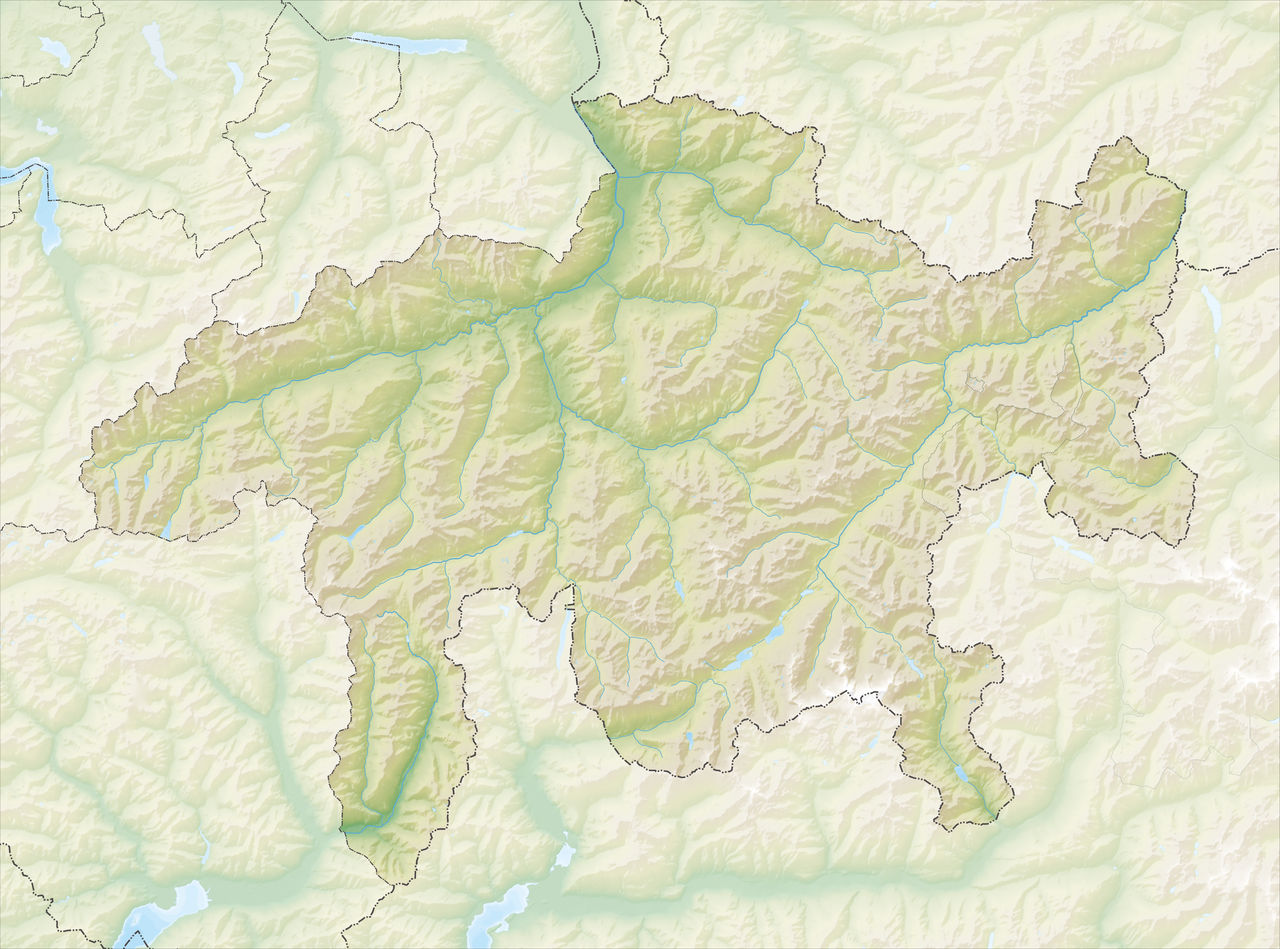
Bondo sits in Val Bregaglia, a narrow Alpine valley linking the Engadine with northern Italy. The settlement lies within Switzerland and is set amid steep, glaciated peaks and rocky ridges. The compact village retains a traditional mountain character and serves as a base for hikers and local agriculture.

Image gallery
9 Images


Names, language and culture
The area's linguistic landscape reflects the border location: local Italian is widely spoken, while a Romansh form is recorded as Buond. Architecture in the village shows regional building techniques—stone houses, narrow streets and farm terraces—typical of alpine communities in this part of the Alps.
Administration and geography
Bondo was a former municipality in the Maloja District and belongs to the canton usually known in English as Graubünden (also called Grigioni in Italian). Today the village is administratively part of the larger municipality of Bregaglia, which groups several nearby settlements within the same valley.
History and notable events
Bondo has a history shaped by alpine agriculture, cross‑border trade and mountain travel. In recent years the community attracted international attention after a large rockfall and ensuing debris flow from the nearby Piz Cengalo massif required evacuations and caused significant damage. The event prompted extensive studies of slope stability and long‑term hazard mitigation measures to protect residents and infrastructure.
Economy, access and recreation
Local livelihoods combine small‑scale farming, forestry and a modest tourism economy that focuses on hiking, climbing and enjoying the mountain landscape. Access to the village is by valley road connecting to Swiss and Italian networks; public transport and trail links connect Bondo with neighbouring settlements and higher alpine routes.
Distinctive facts
- Location in Val Bregaglia gives Bondo strategic alpine and cultural ties to both Switzerland and Italy.
- Traditional stone architecture reflects centuries of mountain living and local materials.
- The 2017 rockslide underscored the role of climate and geological monitoring in high‑mountain communities.
Related articles
Author
AlegsaOnline.com Bondo, Switzerland (Val Bregaglia village) Leandro Alegsa
URL: https://en.alegsaonline.com/art/12866