
Philippe of Belgium
Biography of Philippe, King of the Belgians: background, education, succession, constitutional role, family and public activities, with notes on language and succession law.
Overview
Philippe (born 15 April 1960 at the Castle of Laeken, Brussels) is the King of the Belgians. His full names in various languages are recorded in official contexts: French, Dutch and German. He succeeded his father, Albert II, after the latter's abdication and took the constitutional oath before the Belgian Federal Parliament on 21 July 2013, the national holiday.
Image gallery
4 Images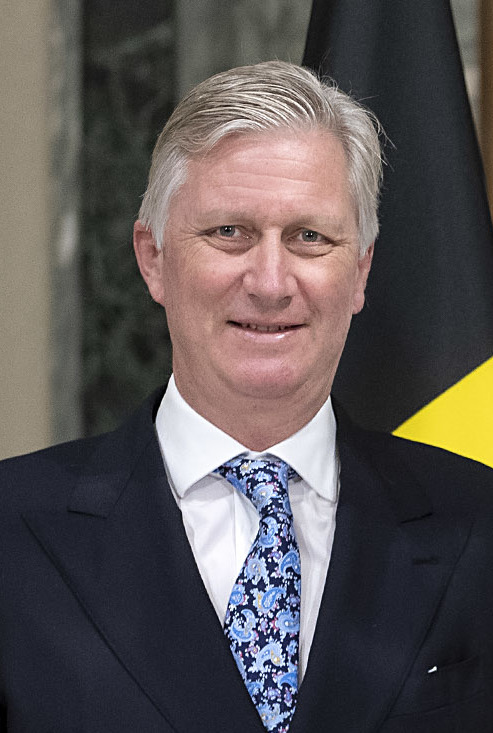


Life and education
Raised in the royal household, Philippe received military and academic training typical for modern European princes and attended institutions in Belgium and abroad. He served in the Belgian armed forces and completed officer training. He is publicly known to be multilingual and regularly uses French and Dutch in official duties, along with English and other languages when representing Belgium internationally.
Role and duties
As a constitutional monarch, Philippe's functions are largely ceremonial and representative. The king signs legislation, appoints the government on the basis of parliamentary majorities, accredits diplomats and performs state visits. He acts as a symbol of continuity and national unity in a country with distinct linguistic and regional communities. Official activities often emphasize social cohesion, economic competitiveness and international cooperation.
Family and succession
Philippe is married to Queen Mathilde. Their eldest child, Princess Elisabeth, is the heir apparent with the title Duchess of Brabant. Belgium adopted absolute primogeniture in the early 1990s, which means the eldest child succeeds regardless of gender; this is why Elisabeth stands first in the line of succession. The royal family often appears at national ceremonies and supports charitable and cultural causes.
Public engagement and notable facts
- His reign began following a voluntary abdication by his father, in keeping with recent practice among some European monarchies.
- The king undertakes regular state visits and hosts foreign leaders to advance Belgian interests and cultural ties.
- He supports initiatives in education, youth employment and sustainable development, and meets regularly with political leaders while remaining politically neutral.
For more official biographical entries and documents, consult the house publications and parliamentary records that record his oath, titles and duties. The royal household also publishes regular notices about public programs and engagements.
Birthplace and residence details provide historical context for the modern monarchy, while institutional descriptions of the crown are available through governmental and constitutional summaries (King of the Belgians).
Author
AlegsaOnline.com Philippe of Belgium Leandro Alegsa
URL: https://en.alegsaonline.com/art/128657