
Peter Handke: Austrian writer, dramatist, and controversial Nobel laureate
Peter Handke (born 1942) is an Austrian writer and translator known for experimental plays, novels and essays. His work and political positions have provoked both acclaim and controversy, including the 2019 Nobel Prize.
Peter Handke (born 6 December 1942 in Griffen, Carinthia) is an Austrian author and translator whose career spans drama, fiction, essays and film collaborations. He rose to prominence in the 1960s and 1970s through formally radical theatre and spare, language-focused prose. Handke's reputation combines significant literary influence with persistent public controversy.
Image gallery
3 Images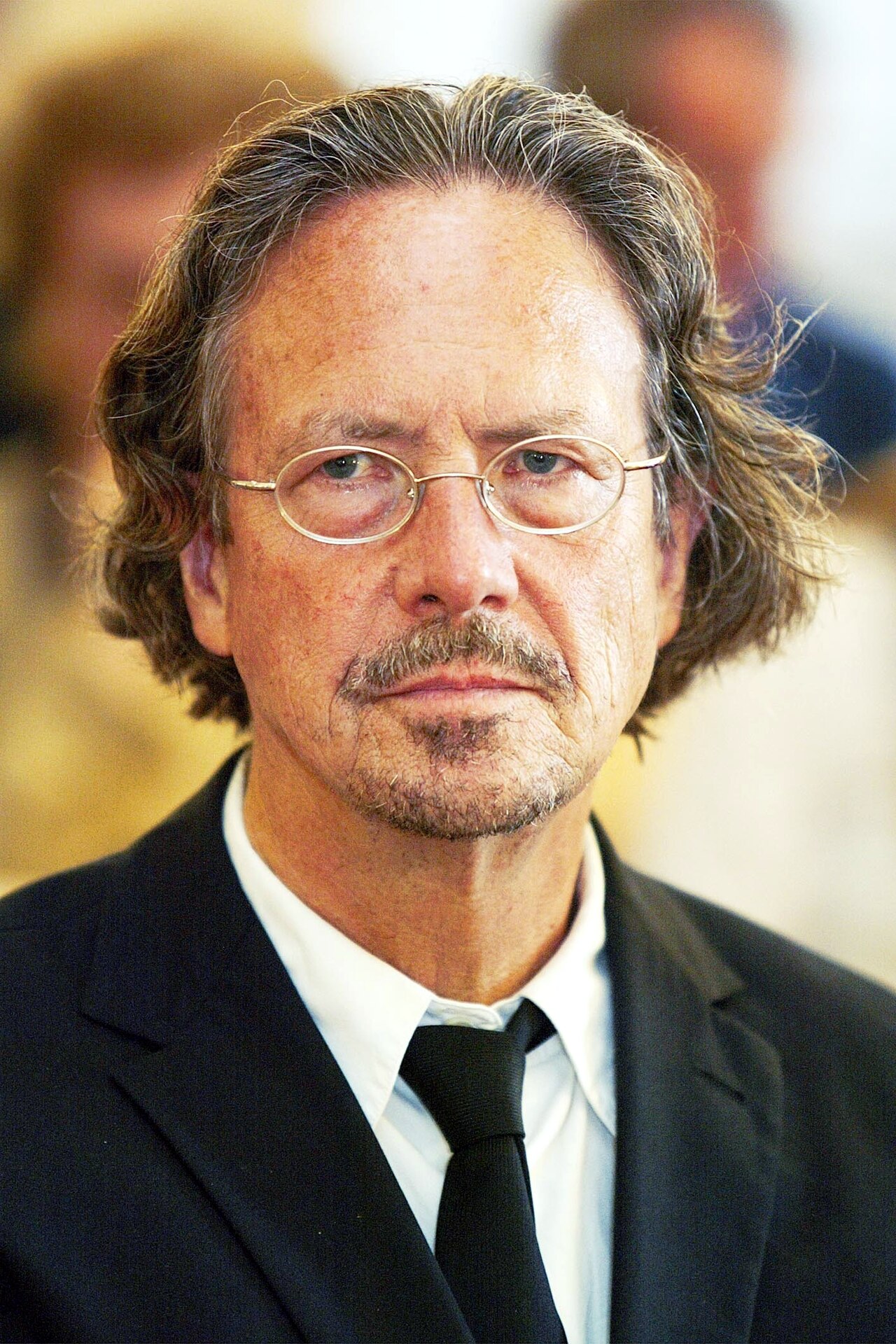


Career overview
Handke attracted attention early for plays that rejected traditional theatrical illusion. One of his best-known stage pieces, Publikumsbeschimpfung (commonly translated as "Offending the Audience"), confronted spectators directly by denying familiar dramatic comforts and treating the audience as a subject of address rather than as a passive observer. Beyond the theatre, Handke wrote novels, short prose, essays and worked with filmmakers; his activity crossed genres and media while keeping a distinctive emphasis on the problems and possibilities of language.
Style and recurring themes
His writing is often described as experimental and stylistically restrained: sentences and scenes may be pared down to focus attention on perception, the limits of representation, and the act of speaking itself. Recurring concerns include memory, identity, solitude, and the relationship between words and experience. Critics have noted his pursuit of precision in language and a willingness to rethink narrative conventions.
Major works and forms
- Plays that challenged theatrical norms, exemplified by Publikumsbeschimpfung.
- Novels and long prose pieces exploring interior states and travel.
- Essayistic and autobiographical works addressing family, loss and observation.
- Collaborations with filmmakers and translations that extended his influence across cultural forms.
Notable prose works that are frequently discussed include a novel that examines psychological alienation and an influential short memoir about his mother's death; these works helped secure his standing in postwar German-language literature.
Controversy and reception
Handke's public standing has been shaped both by literary praise and heated political debate. In the 1990s and later he expressed views on the Yugoslav conflicts that many critics and commentators saw as sympathetic to Serbian leaders and narratives; his participation in certain public events and writings about the war drew strong criticism and prompted protests when he received international honors. The 2019 Nobel Prize in Literature reignited discussions about the relation between an author's politics and their artistic achievements.
Legacy
Peter Handke remains a prominent and polarizing figure whose experiments with language and form influenced subsequent writers and dramatists. His work is studied for its formal daring and its exploration of how storytelling and attention shape human experience, even as debates about his political positions continue to affect how readers, critics and institutions respond to his oeuvre.
Author
AlegsaOnline.com Peter Handke: Austrian writer, dramatist, and controversial Nobel laureate Leandro Alegsa
URL: https://en.alegsaonline.com/art/128507