
Peter Barry (Irish politician)
Peter Barry (1928–2016) was an Irish Fine Gael politician and businessman from Cork who served as a Teachta Dála (1969–1997), Minister for Foreign Affairs (1982–1987) and briefly as Tánaiste in 1987.
Overview
Peter Barry (10 August 1928 – 26 August 2016) was an Irish politician and businessman from Cork. A long-serving member of Fine Gael, he held national office for several decades and became best known for his work as Minister for Foreign Affairs and for his role in negotiating arrangements between the Irish and British governments in the 1980s. His career combined local roots with influence on broader diplomatic and political issues.
Image gallery
2 Images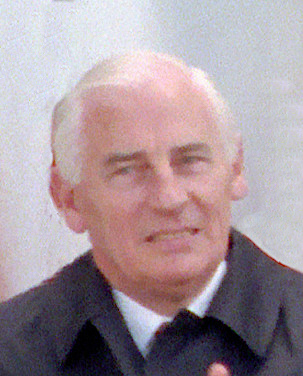

Early life and business background
Born and raised in Cork city, Barry entered public life after establishing himself in business and local civic activities. His commercial experience informed his pragmatic reputation in politics and gave him a grounding in constituency work. Although he is primarily remembered for his parliamentary and ministerial service, his earlier years in commerce were an important part of his public identity.
Political career and offices
Barry was elected to the Dáil and served as a Teachta Dála (TD) for nearly three decades. Over that period he occupied senior roles in government and in his party. Key offices he held include:
- Teachta Dála (TD), 1969–1997
- Minister for Foreign Affairs, 1982–1987
- Tánaiste (deputy prime minister) for a short period in 1987
In these positions Barry dealt with both domestic parliamentary responsibilities and international diplomacy, representing Irish interests abroad and helping shape government policy at critical moments.
Anglo-Irish negotiations and significance
As Minister for Foreign Affairs he was centrally involved in talks with the British government that sought to manage and improve relations across the island of Ireland and between Dublin and London. Barry is widely credited with contributing to the negotiations that produced the Anglo-Irish Agreement framework, a development often cited as a turning point in late 20th-century Irish-British relations. His approach combined attention to legal and diplomatic detail with negotiation aimed at creating mechanisms for cooperation.
Legacy and later life
After leaving the Dáil in 1997, Barry remained a respected figure in Irish public life until his death in 2016. He is remembered for steady stewardship in foreign affairs, for his constituency service, and for a conciliatory style that helped bridge political differences. His career illustrates the impact a seasoned parliamentarian can have on both local politics and international diplomacy.
For further context on roles and titles associated with his career see entries on Teachta Dála, Tánaiste and the history of Fine Gael. Contemporary overviews and obituaries provide additional perspective on his work and public reputation; archival material and official records contain detailed accounts of the negotiations in which he participated (political biographies, government papers and press coverage).
Author
AlegsaOnline.com Peter Barry (Irish politician) Leandro Alegsa
URL: https://en.alegsaonline.com/art/128460