
Pavel Kohout: Czech-Austrian novelist, playwright and dissident
Pavel Kohout (born 1928) is a Czech-born novelist, playwright and poet who moved into dissidence after the 1968 Prague Spring and became a founding member of Charter 77 before exile to Austria.
Pavel Kohout (born July 20, 1928) is a Czech-born writer whose work as a novelist, playwright and poet spans the communist and post-communist eras of Central Europe. He was born in Prague and began his adult life as a member of the Communist Party of Czechoslovakia. Over time his public role shifted from party-affiliated cultural figure to outspoken reformer and, ultimately, to a prominent dissident.
Image gallery
2 Images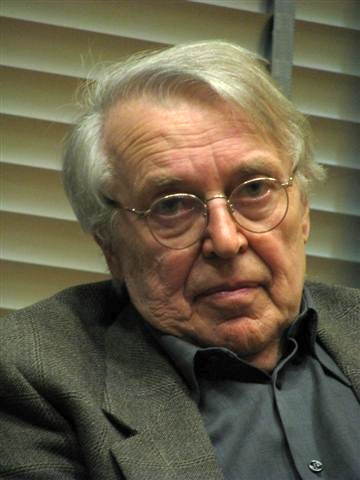

Career and literary work
Kohout has written across multiple forms: stage plays, fiction and poetry. His work often blends political observation with moral and psychological inquiry, using satire and dramatic form to explore individual responsibility under authoritarian systems. He was active in theatre both as a dramatist and a public intellectual, and his writings were a significant part of Czechoslovakia's cultural conversation in the 1950s–1970s.
Politics, dissent and exile
During the late 1960s Kohout became associated with the reform movement that is commonly known as the Prague Spring, which sought liberalizing changes in Czechoslovakia before being suppressed by the 1968 invasion. In the 1970s he joined other critics of the regime and was among the founders of Charter 77, the informal civic initiative that called for respect of human rights. His dissident activities led to state harassment and eventual expulsion from Czechoslovakia; he settled in Austria, where he continued to write and participate in cultural life.
Themes, style and influence
Kohout's writing is noted for its engagement with ethical dilemmas created by ideological systems, an interest in the conflicts between private conscience and public obligation, and an often sharp, satirical tone. As a public figure he stood alongside other Central European intellectuals who moved from early Communist sympathy to influential roles in opposition and human-rights activism.
Legacy and notable facts
- Roles: novelist, playwright, poet and public intellectual.
- Political trajectory: from Communist Party member to Prague Spring reformer and Charter 77 dissident.
- Exile: moved to Austria after state repression and continued literary work abroad.
- Significance: his life and work illustrate the broader cultural and political shifts in 20th-century Central Europe and the role of writers in civic resistance.
Readers interested in 20th-century Czechoslovak literature and dissident movements will find Kohout's career a revealing case of the tensions between artistic ambition, political commitment and the costs of conscience under authoritarian rule.
Author
AlegsaOnline.com Pavel Kohout: Czech-Austrian novelist, playwright and dissident Leandro Alegsa
URL: https://en.alegsaonline.com/art/128375