
Paul Wellstone (1944–2002)
Paul Wellstone was a Minnesota senator and progressive leader, an academic-turned-politician known for grassroots campaigns, advocacy for labor and social justice, and his death in a 2002 plane crash.
Paul David Wellstone (July 21, 1944 – October 25, 2002) was an American academic, organizer, and U.S. senator who represented Minnesota from 1991 until his death. A member of the Democratic–Farmer–Labor Party, Wellstone emerged as a leading voice of the progressive wing of the national Democratic Party. His career combined classroom teaching, community organizing, and an insistence on grassroots politics and small-donor campaigning. For an overview of his life and work see biographical resources.
Image gallery
8 Images


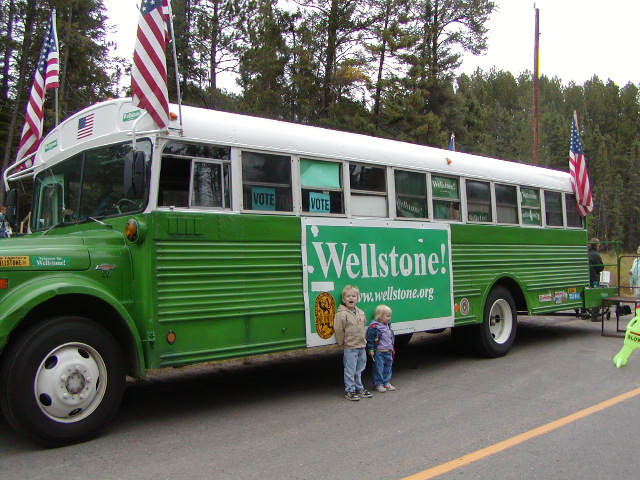
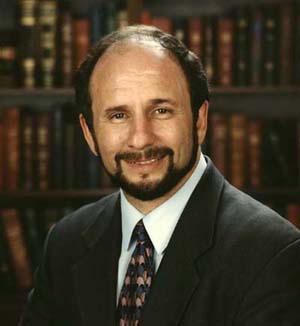
Academic and organizing background
Before entering electoral politics Wellstone was an academic and activist. He taught political science and worked with community groups, bringing scholarly study together with training in citizen organizing. His experience as a teacher and organizer shaped the hands-on, retail style of campaigning for which he became known.
Senate career and priorities
Serving in the U.S. Senate from 1991 until 2002, Wellstone was widely associated with progressive policy aims. He championed:
- workers' rights and labor protection,
- expanded health care access and protections for patients,
- campaign finance reform and ethical government,
- environmental stewardship and community-based solutions.
His approach emphasized constituency outreach, accessible rhetoric, and coalition-building with unions, activists, and grassroots organizations.
Death and legacy
Wellstone died in a plane crash near Eveleth, Minnesota, on October 25, 2002, an event that also claimed the lives of several others connected with his campaign. The accident truncated his Senate service and prompted a broad public response. In the years since his death, groups and programs inspired by his methods and values have continued to train and mobilize progressive activists and candidates.
Notable facts and influence
Wellstone is remembered for blending academic analysis with practical organizing, for an emphasis on small-donor funding and face-to-face campaigning, and for pushing the national dialogue toward social justice and labor issues. His tenure remains a touchstone in discussions of modern progressive strategy in the U.S. Senate and beyond; for more on his legislative record and influence consult sources linked to the Senate and party archives.
Author
AlegsaOnline.com Paul Wellstone (1944–2002) Leandro Alegsa
URL: https://en.alegsaonline.com/art/128367