
Paul Klee
Swiss-German painter Paul Klee (1879–1940) combined abstraction, color theory and musical thinking. A Bauhaus teacher and prolific draftsman, he influenced 20th‑century modern art with watercolors, writings and pedagogy.
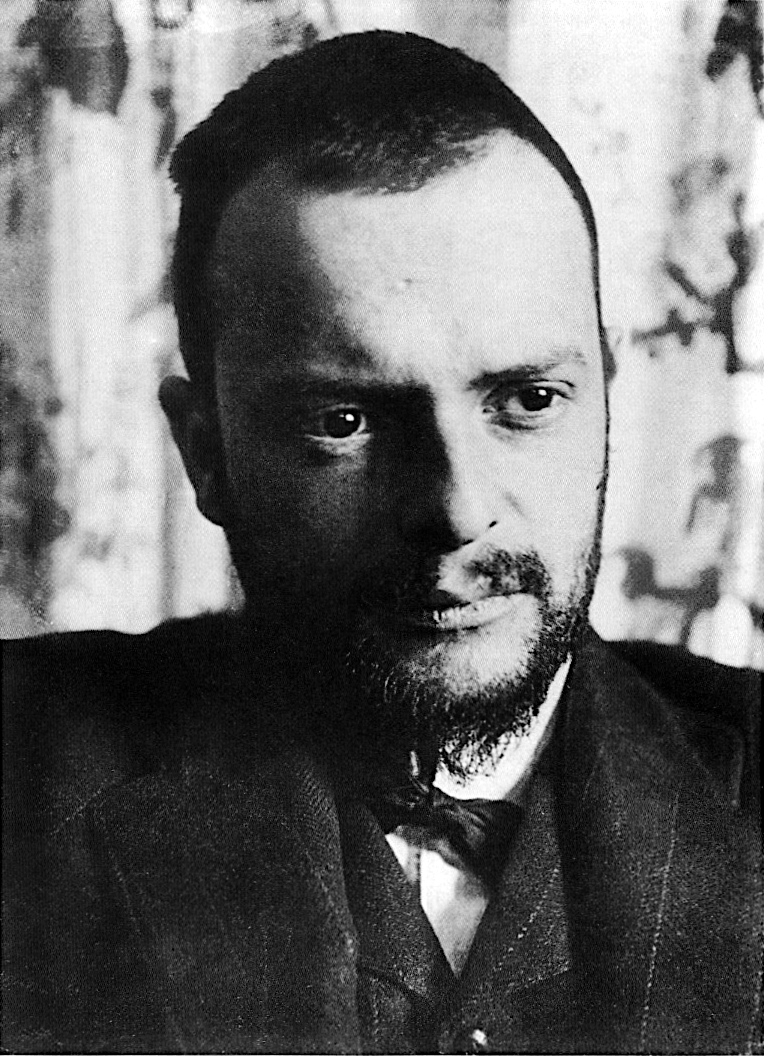
Paul Klee (18 December 1879 – 29 June 1940) was a Swiss‑German artist whose work helped shape modern art in the first half of the 20th century. He worked across painting, drawing and printmaking and is especially remembered for delicate watercolors, precise ink drawings and compositions that balance playfulness with rigorous structure. Klee's practice is often described as at once lyrical and analytical, addressing color, line and form in original combinations.
Klee’s imagery ranges from whimsical, childlike motifs to carefully constructed abstract geometries. He explored line as a rhythmic, almost musical element and used color to establish mood, spatial relationships and symbolic resonance. Many of his works are small in scale and display a finely considered surface: washes, controlled scratches, and layered pigments creating subtle tonal effects. He also made frequent use of symbolic signs, letters and schematic figures that suggest narratives without conventional representation.
Influences and ideas. Klee absorbed currents from many contemporary movements without belonging to a single school. His work reflects affinities with Expressionism, with its emphasis on subjective emotion; with Cubism, seen in fractured space and geometric ordering; and with Surrealism, through dreamlike juxtaposition and associative imagery. He was also deeply engaged in the theory of color and later produced influential teaching materials summarizing his ideas on hue, contrast and harmony.
Career and teaching. Born to a family with musical interests, Klee studied art after initial training in Munich and exhibited with avant‑garde groups. In the 1920s he joined the staff of the Bauhaus school, where he taught alongside artists such as Lyonel Feininger and Wassily Kandinsky. His pedagogical notes and lectures — collected in publications often titled The Pedagogical Sketchbook or similar compilations — have had lasting impact on art education. After the Nazi rise to power, Klee returned to Switzerland in 1933, where he continued to produce work until his death.
Notable works and legacy. Klee left a large, varied oeuvre that includes celebrated pieces held in museums worldwide. His paintings such as colourful, mosaic‑like compositions and reflective abstractions remain widely reproduced and studied. Institutions like the Zentrum Paul Klee in Bern preserve extensive collections and exhibitions devoted to his art. Klee’s combination of written theory and experimental making helped shape later developments in abstraction and influenced generations of artists and teachers.
- Produced thousands of drawings and paintings in a career spanning three decades.
- Blended musical thinking with visual composition; he played violin as a youth.
- His teaching texts continue to be cited in studies of color and form.
- Recognized for a unique balance of spontaneity and structured design.
Klee remains a central figure in studies of modernism: his works are valued both for their inventive imagery and for the clarity of the theories he left behind. Students, curators and artists return repeatedly to his published notes and his painterly experiments for lessons in color, proportion and the expressive possibilities of mark‑making.
Image gallery
10 Images


Author
AlegsaOnline.com Paul Klee Leandro Alegsa
URL: https://en.alegsaonline.com/art/128296