
Paul Bocuse — French chef, innovator of modern French cuisine
Paul Bocuse (1926–2018) was a celebrated French chef from Lyon, widely credited with popularizing nouvelle cuisine, founding influential culinary institutions and shaping modern professional cooking.
Overview
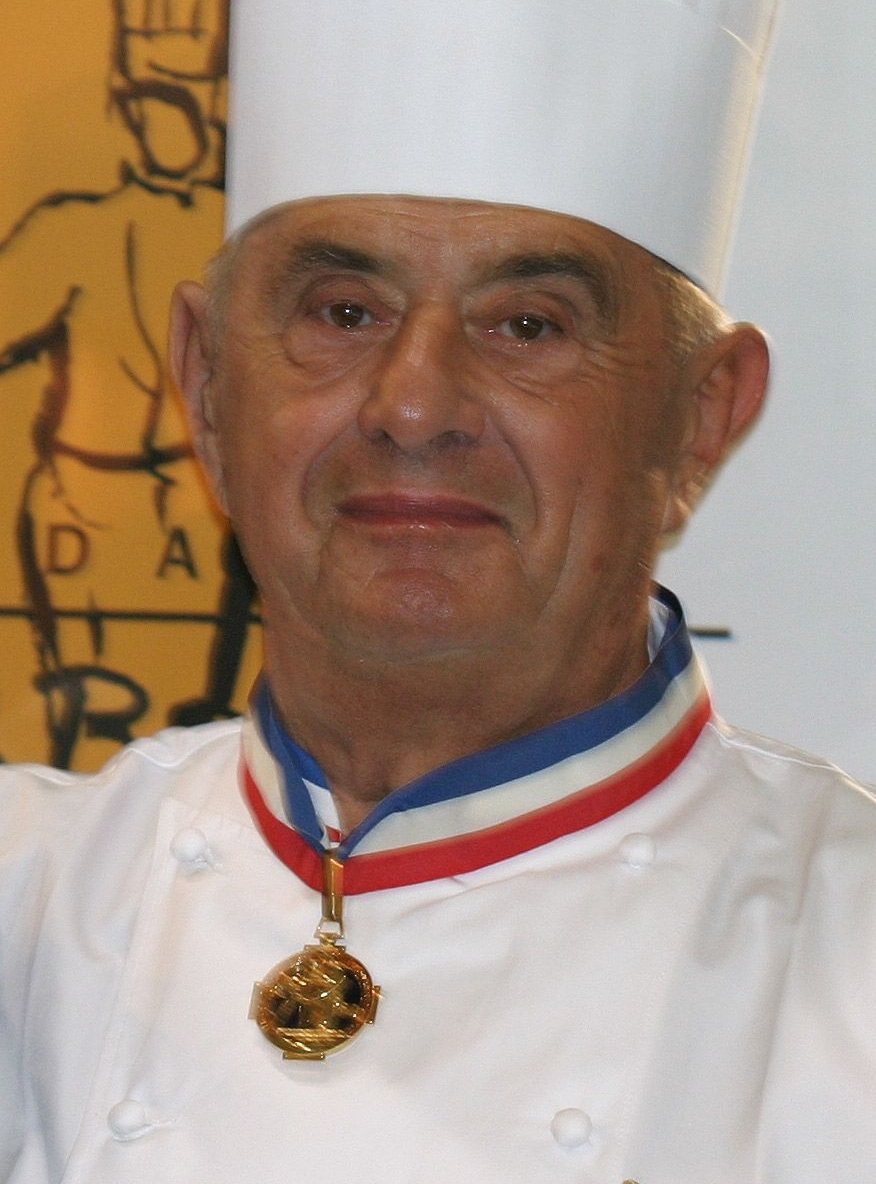
Paul Bocuse (11 February 1926 – 20 January 2018) was a French chef best known for combining classical technique with a modern sensibility and for raising the international profile of French gastronomy. Born and raised in the Lyon region, he built a reputation for consistently high standards in his flagship restaurant and for fostering a new generation of professional chefs. For general biographical and career summaries see biographical resources.
Image gallery
5 Images


Early life and training
Raised near Lyon, a city long regarded as a centre of French regional cooking, Bocuse trained in classical French kitchens and absorbed the local culinary traditions that would remain central to his work. His formative years combined formal apprenticeship in established restaurants with an emphasis on local ingredients and butchery, pastry and sauce technique that formed the bedrock of his later innovations.
Culinary philosophy and nouvelle cuisine
Bocuse is closely associated with the movement known as nouvelle cuisine, which emerged in the mid-20th century and emphasized freshness, high-quality produce, lighter sauces, simplified preparations and an interest in presentation. The approach contrasted with the heavier, more elaborate dishes of traditional cuisine classique. Bocuse and his contemporaries sought clarity of flavour and seasonality; he also acknowledged the role of critics and fellow chefs in naming and popularizing the trend, and he recounted anecdotal links between early nouvelle-cuisine menus and high-profile events such as the maiden Concorde flights — see discussions of the term and history at nouvelle cuisine resources and accounts of that event at Concorde-related accounts.
Restaurants and institutions
His principal restaurant, L'Auberge du Pont de Collonges, located near Lyon, became a landmark for visitors and professionals alike and served as a training ground for numerous chefs. Over decades the establishment was known for maintaining exceptionally high standards and for its signature reinterpretations of regional dishes. Bocuse extended his influence by promoting culinary education and by supporting institutions dedicated to professional cooking; his ties to Lyon's gastronomic culture are frequently noted in regional histories and resources at Lyon resources.
- Flagship restaurant: a long-running culinary institution near Lyon that anchored his reputation.
- Training and education: sustained support for professional instruction and hospitality training.
- Competitions: founding and promoting contests that elevated standards and international exchange among chefs.
Competitions, publications and media
Bocuse played a central role in creating platforms for culinary competition and exchange; these events helped professionalise cooking and showcased national teams and individual talent. He also published recipes and appeared in media that introduced wider audiences to his methods and to contemporary French cuisine, contributing to the globalization of French culinary standards.
Recognition, influence and criticism
Recognised by peers, critics and diners, Bocuse became a symbol of postwar French culinary renewal. Many prominent chefs trained under or worked with him, and his name is associated with the professionalisation of the kitchen and the prominence of restaurant culture in the late 20th century. At the same time, some critics argued that elements of nouvelle cuisine became overly focused on aesthetics, small portion sizes or fleeting trends; Bocuse's commercial projects also drew debate about the balance between culinary artistry and branding.
Later life and legacy
Paul Bocuse died on 20 January 2018 at age 91 in Collonges-au-Mont-d'Or. Public notices recorded that he had been affected by Parkinson's disease; for medical context see information on the condition. The town of his principal restaurant remains closely associated with his reputation and is often mentioned in remembrances and local histories — see Collonges-au-Mont-d'Or references. His legacy endures through the chefs and educators he influenced, the competitions and schools that continue to shape professional cooking, and the ongoing presence of his restaurant and recipes in accounts of modern French cuisine.
Further reading and resources on his life, work and continuing influence are available from several national and international culinary organizations and archives; for curated material consult biographical resources and regional collections at Lyon resources.
Author
AlegsaOnline.com Paul Bocuse — French chef, innovator of modern French cuisine Leandro Alegsa
URL: https://en.alegsaonline.com/art/128243