
Pat Quinn (American politician)
Patrick J. Quinn (born 1948) is an American Democratic politician who served as Illinois lieutenant governor and as Governor of Illinois from 2009 to 2015; he lost re-election in 2014.
Patrick Joseph "Pat" Quinn III (born December 16, 1948) is an American politician best known for serving as Governor of Illinois from 2009 to 2015. A member of the Democratic Party, Quinn previously held the office of lieutenant governor and assumed the governorship amid a period of political upheaval in the state. His time in statewide office was marked by efforts to address government ethics, fiscal pressures and long-term budgetary issues.
Image gallery
6 Images
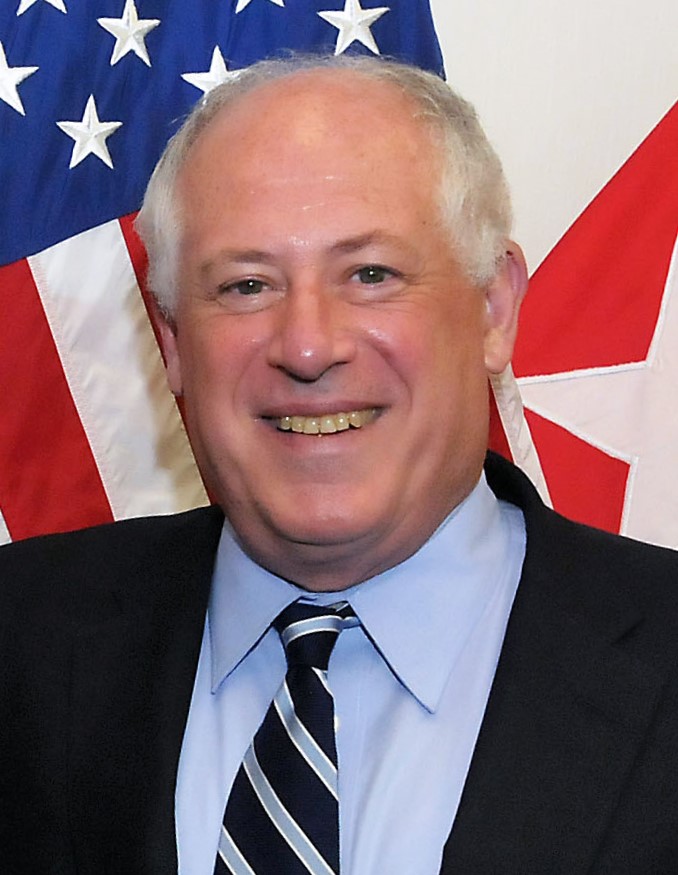


Political career and roles
Quinn served as Lieutenant Governor of Illinois from 2003 until 2009, a role in which he focused on a mix of public service initiatives and administrative duties typical for the office. He became governor in 2009 after his predecessor was removed from office; he then won election to a full gubernatorial term. As governor he was the state's chief executive, responsible for proposing budgets, overseeing state agencies and signing legislation.
Key themes and initiatives
During his time in office Quinn emphasized government transparency and ethics reform as high priorities. He also grappled with fiscal challenges that included rising pension obligations and budget shortfalls, common issues for many U.S. states in that period. Quinn advocated for measures intended to stabilize public finances and to improve oversight of state programs, while also supporting investments in areas such as education and public services.
Timeline and elections
- Lieutenant Governor of Illinois: 2003–2009
- Assumed governorship in 2009 and served until 2015
- Defeated for re-election in 2014 by Bruce Rauner
Challenges and legacy
Quinn's administration faced intense scrutiny over the state's finances and policy choices during a difficult economic period. Supporters credit him with prioritizing ethics reforms and attempting to confront structural fiscal problems; critics argued that progress on long-term liabilities and economic recovery was uneven. His defeat in the 2014 election reflected a contentious political climate and a competitive statewide campaign.
Further context
Quinn's political life illustrates how state leaders confront complex trade-offs between fiscal responsibility, public services and political realities. For a concise summary of the office he held, see the role of the Governor of Illinois. For broader background on his party affiliation see the Democratic Party.
Author
AlegsaOnline.com Pat Quinn (American politician) Leandro Alegsa
URL: https://en.alegsaonline.com/art/128182