
Otis Rush: West Side Chicago Blues Guitarist and Singer
Otis Rush (April 29, 1935–September 29, 2018) was an influential American blues guitarist and singer whose powerful tenor and minor-key style helped define the West Side Chicago blues sound.
Overview
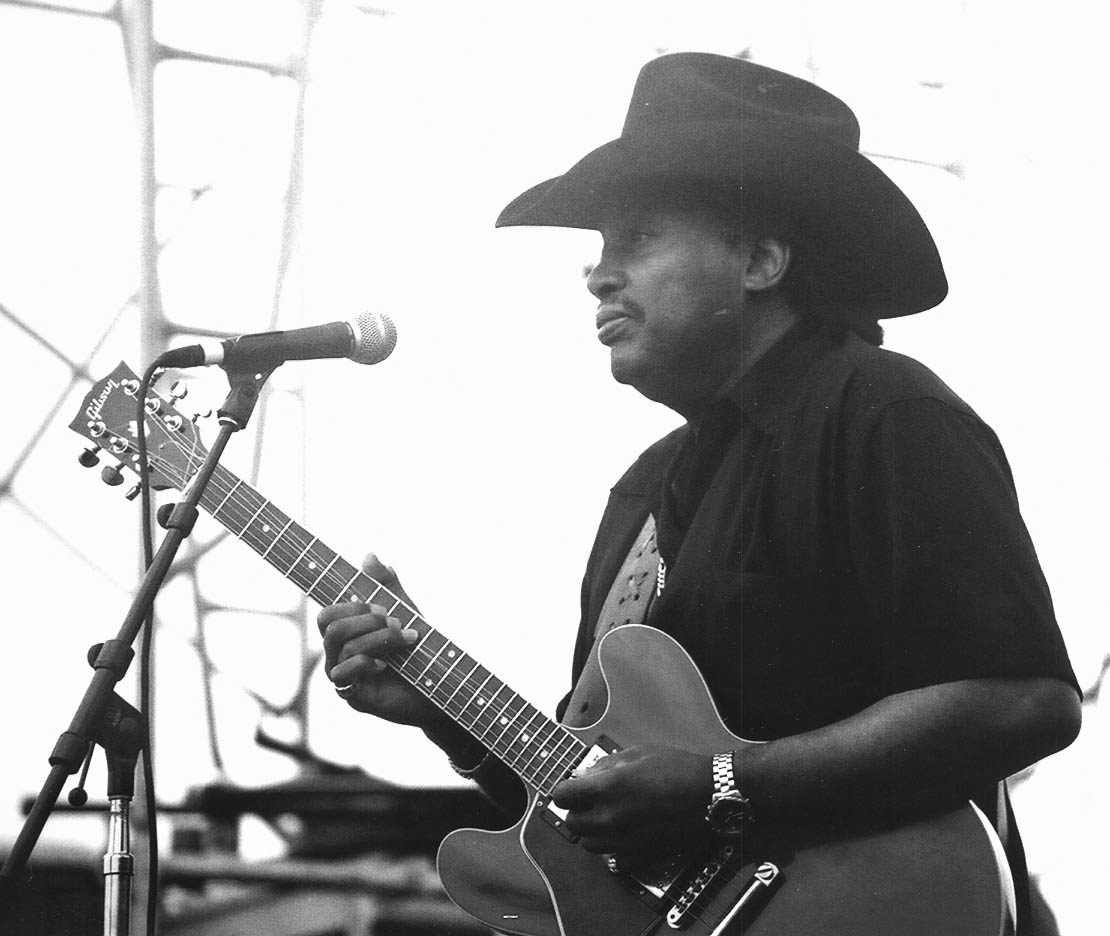
Otis Rush Jr. (April 29, 1935 – September 29, 2018) was an American blues guitarist, singer and songwriter whose work became synonymous with the West Side Chicago blues style. He is widely recognized in the blues community and a member of the Blues Hall of Fame. Rush combined expressive, emotive singing with a distinctive electric guitar approach that influenced generations of players.
Image gallery
3 Images

Musical characteristics
Rush was noted for a wide-ranging, powerful tenor voice and for guitar phrasing that often used minor-key melodies, sustained bends and a tense, dramatic delivery. Critics and fellow musicians describe his sound as a defining example of West Side Chicago blues, a variant of blues that emphasizes urban electric instrumentation, extended solos and a more modern harmonic palette. His vocal style and attack created a heightened emotional intensity that set him apart from contemporaries.
Career and development
Rush moved to Chicago as a young man and began recording in the 1950s. Over decades he recorded for several labels and remained a fixture of the Chicago scene while touring internationally. His long career included studio sessions, live performances and later festival appearances that helped expose his music to younger audiences and British blues-rock musicians who adapted his songs.
Notable songs and covers
- "All Your Love (I Miss Loving)" — one of his enduring anthems that showcases his minor-key phrasing.
- "I Can't Quit You Baby" — a powerful vocal performance widely known beyond blues circles; the song was later covered by major rock acts.
- "Double Trouble" — another example of his dramatic, tension-filled style.
Legacy and later life
Rush influenced many guitarists and singers, especially in the electric blues and blues-rock traditions. His work is frequently cited by players and historians as pivotal to the sound of postwar Chicago blues. He received formal recognition from blues institutions and continued to perform into his later years.
Otis Rush died on September 29, 2018 in Chicago from complications following a stroke, at the age of 83. He is remembered for his intense performances, distinctive tenor and the lasting impact of his recordings. Further reading and resources about his recordings and influence can be found through dedicated music archives and artist profiles (voice and biography resources, blues histories, Hall of Fame entries, West Side blues summaries, medical reports, Chicago music histories).
Author
AlegsaOnline.com Otis Rush: West Side Chicago Blues Guitarist and Singer Leandro Alegsa
URL: https://en.alegsaonline.com/art/127980