
Oscar von Sydow (Swedish politician, 1873–1936)
Oscar von Sydow was a Swedish civil servant and politician who served as Prime Minister in 1921 during a transitional period that included Sweden's first full national election with universal suffrage.
Overview
Oscar Fredrik von Sydow (12 October 1873 – 19 August 1936) was a Swedish lawyer, civil servant and politician who served as Prime Minister of Sweden from 23 February to 13 October 1921. His short administration is best known for guiding the government through a transitional phase in which universal suffrage and parliamentary reforms were becoming established features of Swedish politics.
Image gallery
2 Images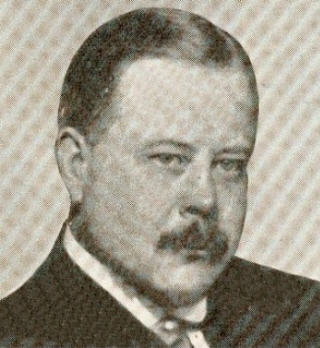

Career and role
Von Sydow had a long career as an administrator and public official before his appointment as head of government. He was regarded as a non-partisan, consensus-minded figure called upon to lead a caretaker cabinet between party-led administrations. His premiership was characterized by attempts to maintain stability while political parties adjusted to new voting rules and expanded electorates.
Historical context
The year 1921 was pivotal in modern Swedish democracy: it marked the implementation of full male and female suffrage in national elections. Von Sydow's government presided over the state during this change and worked to ensure that the machinery of government and elections functioned smoothly during the transition to broader popular participation.
Legacy and significance
Although his time in office was brief, von Sydow is remembered as a pragmatic caretaker leader whose administrative experience helped steady government functions in a period of political realignment. Historians often note his role as part of the longer process by which Sweden moved from elite-dominated governance toward broader parliamentary democracy.
Further reading
- Biographical and archival materials are available in Swedish government records: official biography.
- Parliamentary records and debates from 1921 can be consulted for primary source context: parliamentary archives.
- Lists of Swedish prime ministers and governmental timelines that include von Sydow: prime ministers list.
Author
AlegsaOnline.com Oscar von Sydow (Swedish politician, 1873–1936) Leandro Alegsa
URL: https://en.alegsaonline.com/art/127963