
Omar Suleiman: Egyptian intelligence chief and short‑term vice‑president
Egyptian military officer and head of intelligence (1993–2011), briefly vice‑president during the 2011 uprising; a controversial figure linked to security cooperation and human rights allegations.
Overview
Omar Suleiman (Arabic: عمر سليمان) was an Egyptian military officer, diplomat and intelligence official who played a central role in Egypt's security establishment for nearly two decades. He led Egypt's principal foreign intelligence agency from the early 1990s until the fall of President Hosni Mubarak in 2011. In January 2011, as protests shook the country, he was appointed vice‑president for a brief period before the regime's collapse. His name is associated both with high‑level regional diplomacy and with allegations by activists of rights abuses connected to the security services.
Image gallery
3 Images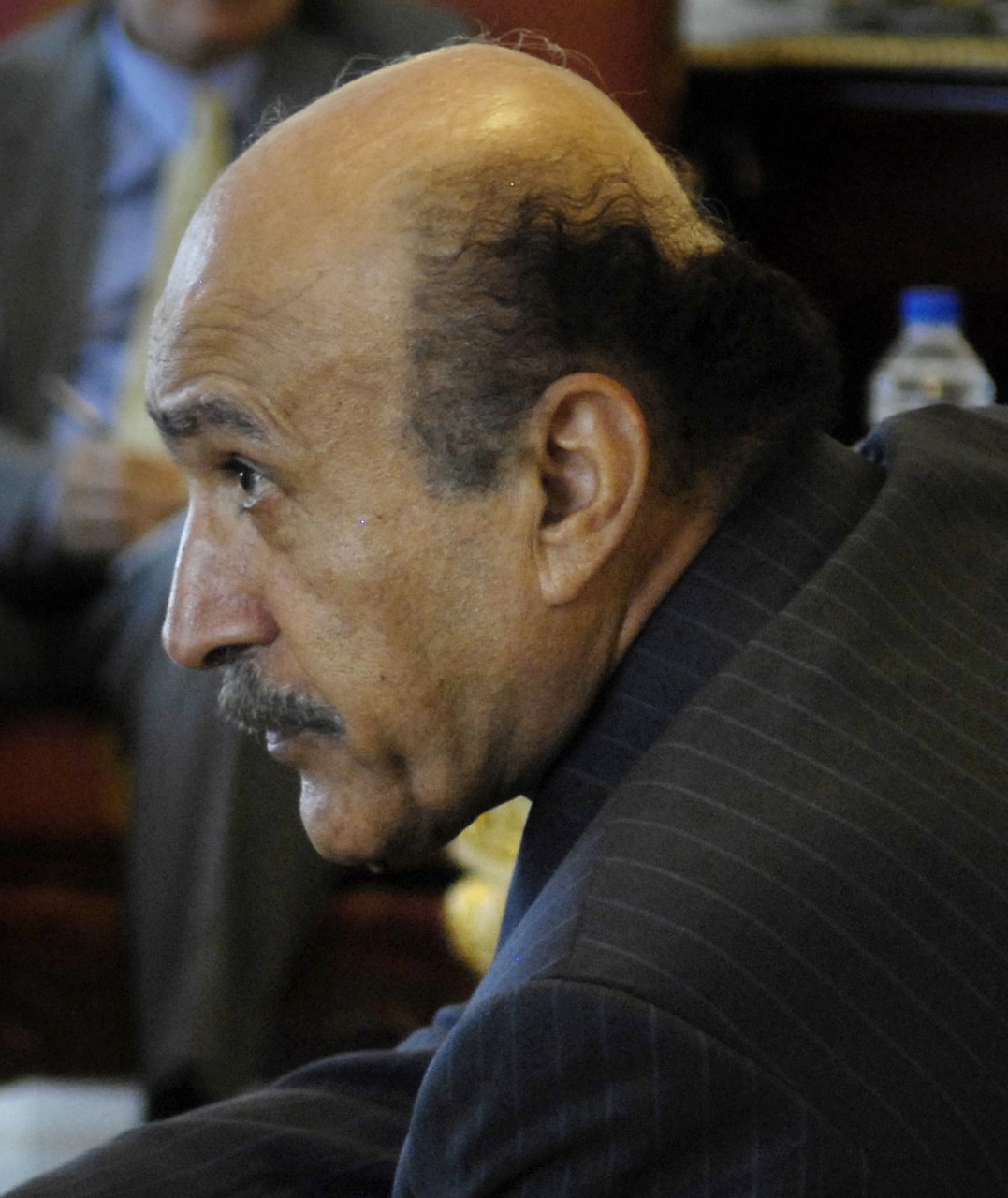


Career and responsibilities
Suleiman rose through military and intelligence ranks to become the head of Egypt's General Intelligence Directorate. In that capacity he acted as a principal interlocutor between Egypt and foreign intelligence services, and was involved in regional security matters, mediation and counterterrorism work. He also served in diplomatic roles at various times and was viewed by many foreign governments as a key contact inside the Egyptian state.
Notable roles and events
- Longtime director of Egypt's foreign/intelligence service (1993–2011).
- Designated vice‑president in January 2011 during the Egyptian uprising.
- Attempted a political return after 2011 but was disqualified from the 2012 presidential race.
Controversy and later years
Within Egypt and abroad Suleiman was a polarizing figure. Supporters emphasized his experience in security and diplomacy; critics and human rights organizations accused Egypt's intelligence apparatus under his leadership of employing torture, enforced disappearances and repressive tactics against dissidents. After the 2011 transition he largely withdrew from public life and faced legal and political obstacles that prevented a return to elected office.
Death and legacy
Suleiman died in mid‑2012 while receiving medical care outside Egypt; reports indicated his death occurred during treatment in the United States. His legacy remains contested: some remember him as a seasoned security official and regional mediator, while others associate him with the authoritarian practices of the Mubarak era. For further reading and primary sources, see contemporary reports and biographies (links and archival materials are available through external references such as Arabic‑language profiles).
Author
AlegsaOnline.com Omar Suleiman: Egyptian intelligence chief and short‑term vice‑president Leandro Alegsa
URL: https://en.alegsaonline.com/art/127910