
Omar Bongo Ondimba — President of Gabon, 1967–2009
Omar Bongo Ondimba (1935–2009) led Gabon for 42 years. His long rule shaped the country's politics, economy and foreign ties; it combined stability and state control with controversy over power, patronage and wealth.
Overview
El Hadj Omar Bongo Ondimba, born Albert-Bernard Bongo on 30 December 1935, was a central figure in post‑colonial Gabon. He became vice‑president under Léon M'ba and succeeded him in 1967, remaining head of state until his death on 8 June 2009 in Barcelona. His 42‑year tenure made him one of Africa's longest‑serving leaders, and his era left a durable imprint on Gabon's institutions and international relationships.
Image gallery
8 Images
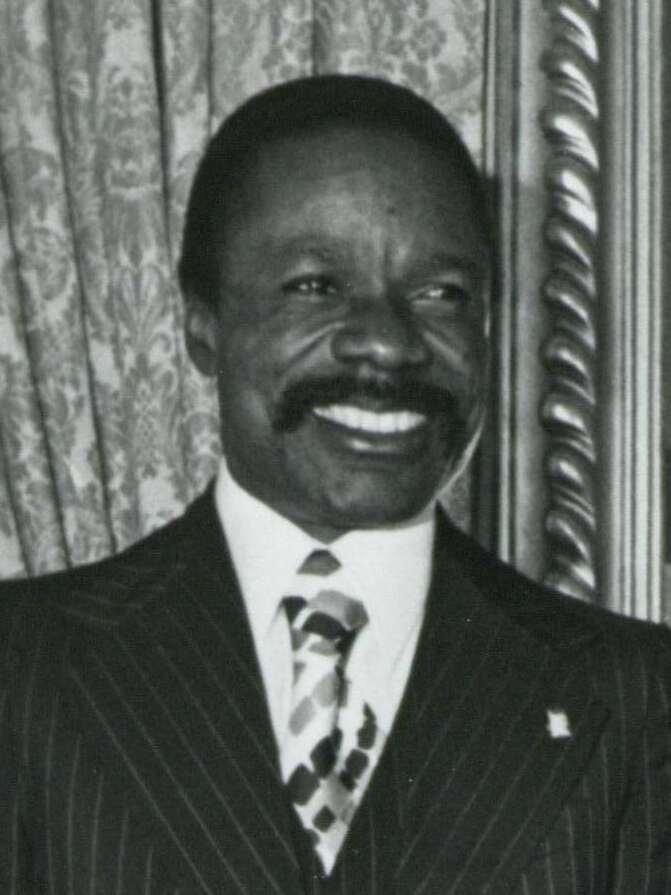


Political career and governance
Bongo rose quickly through early administrative posts in the 1960s and was formally elected president after M'ba's death. He led the Gabonese Democratic Party (Parti démocratique gabonais, PDG), presiding over a single‑party system for decades. In the early 1990s, amid regional pressure and domestic unrest, Gabon moved toward multiparty politics; Bongo remained a dominant figure, using patronage networks and state resources to sustain his authority.
Identity, family and succession
In 1973 he converted to Islam and adopted the name Omar Bongo; later he added the family name Ondimba. His family became politically prominent and several children entered public life. After his death, his son Ali Bongo Ondimba succeeded him as president, continuing the family's prominent role in Gabonese politics and prompting debate about political dynasties.
Economy, foreign ties and controversies
Gabon’s oil discoveries from the 1970s onward provided the financial base for state spending and elite patronage but also exposed the country to boom‑and‑bust cycles. Bongo maintained close relationships with France and other international partners, a network often described in discussions of "Françafrique" — longstanding political and economic ties between France and its former colonies. His administration was frequently criticized for authoritarian practices, limited political pluralism and allegations of corruption and personal enrichment. Investigations and media reports after his death focused on the extent and disposition of personal and family assets, matters that remain subjects of legal and public scrutiny.
Legacy
- Longevity: one of Africa's longest uninterrupted presidencies, shaping decades of policy.
- Stability vs. reform: credited with maintaining order but criticized for obstructing democratic development.
- Economic dependence: rule coincided with an oil‑based economy and related governance challenges.
- Regional role: acted as an important interlocutor between Central Africa and former colonial powers.
Omar Bongo's life illustrates the complexities of post‑colonial leadership: consolidating state authority and international ties while generating enduring debates about governance, wealth and democratic accountability in Gabon and beyond.
Author
AlegsaOnline.com Omar Bongo Ondimba — President of Gabon, 1967–2009 Leandro Alegsa
URL: https://en.alegsaonline.com/art/127902