
Olympia Snowe: Maine's Moderate Republican Senator and Legislator
Olympia Snowe (born 1947) is a former Republican U.S. Senator and congresswoman from Maine known for her moderate, bipartisan approach and for several historic firsts for women and Greek Americans in U.S. politics.
Olympia Jean Snowe (née Bouchles; born February 21, 1947) is an American politician and a prominent member of the Republican Party. She represented the state of Maine in the United States Congress for more than three decades, serving in both the U.S. House of Representatives and the U.S. Senate. Snowe is widely recognized for a centrist, pragmatic style of lawmaking and for repeatedly working across party lines on a range of public policy issues.
Image gallery
10 Images

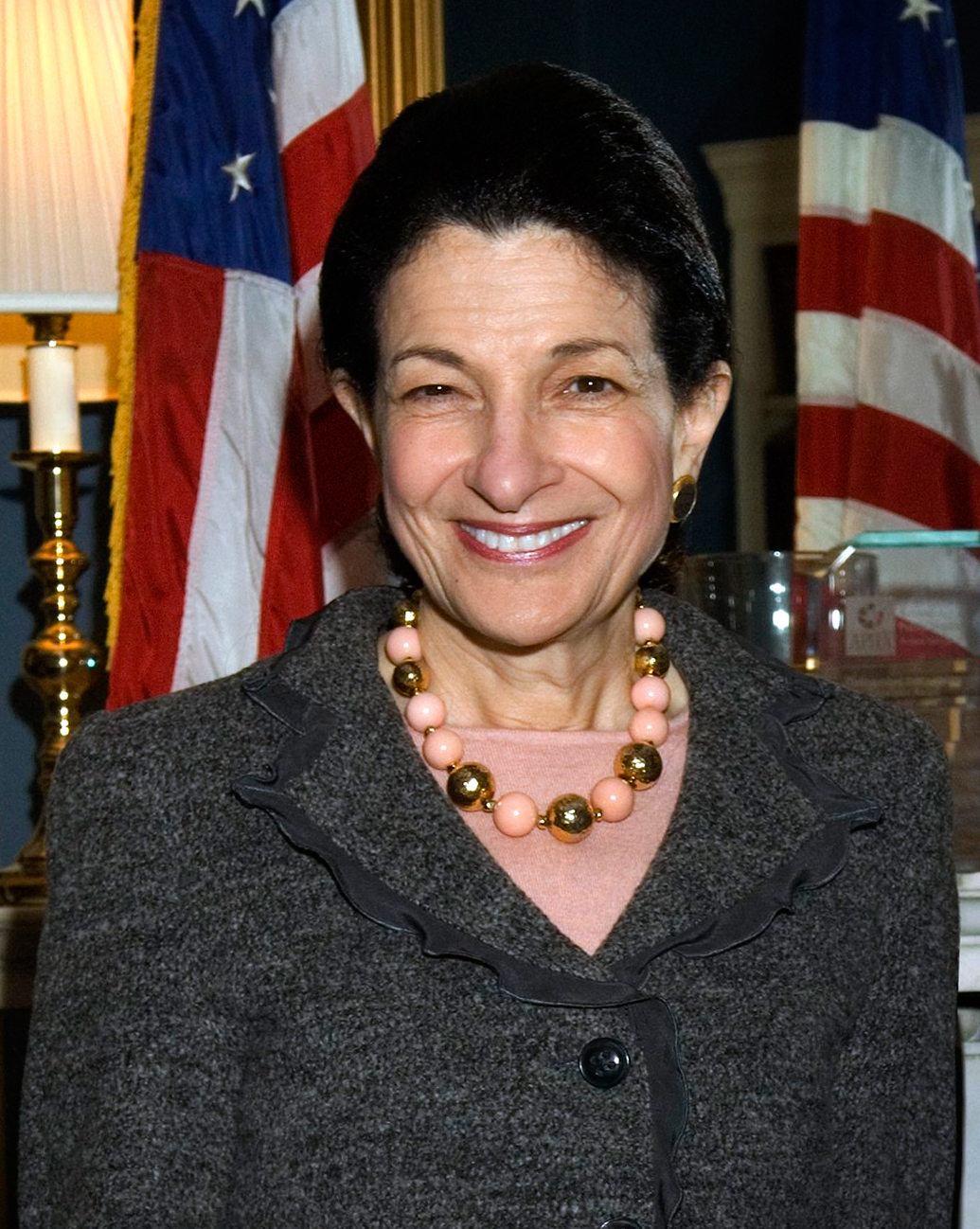


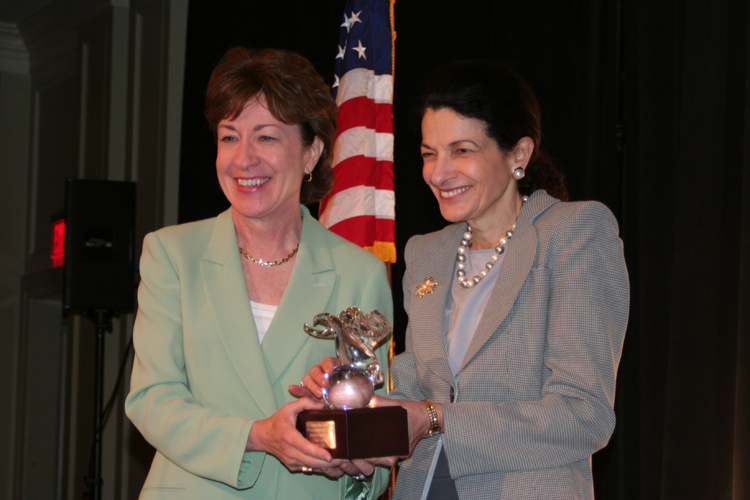

Early life and political ascent
Born to Greek-American parents, Snowe was raised in Maine and began her political career in the state legislature. Her maiden name, Bouchles, reflects her family heritage, and she went on to break several barriers for women in politics. She became the first woman from Maine elected to the U.S. Senate and is often noted as the first Greek-American woman elected to Congress. Her rise from state to federal office exemplifies a path taken by many successful legislators who combine local ties with national service.
Service in state and federal legislatures
Snowe served in Maine's state legislature before winning election to the U.S. House of Representatives, where she served multiple terms. In 1994 she won election to the U.S. Senate and was reelected until she chose not to seek another term. During her congressional career she addressed issues ranging from economic policy and health care to consumer protection and women's concerns. In 2012 she announced her retirement, citing increasing partisan polarization as a factor in her decision; she was succeeded in the Senate by former Maine governor Angus King, who served as an independent.
Legislative style and priorities
Snowe was best known for her moderate stance and willingness to broker compromise. She frequently voted independently of party leadership and built coalitions that included Democrats and fellow moderates. Her legislative interests included fiscal responsibility, access to health care, small-business issues, and measures aimed at protecting consumers. Observers described her as a model of pragmatic centrism during an era of growing ideological division.
Notable distinctions and legacy
- Historic firsts: Snowe was the first woman elected to the U.S. Senate from Maine and one of the earliest Greek-American women in Congress; she also had a unique career spanning both houses of her state legislature and both chambers of the U.S. Congress, a trajectory noted in contemporary accounts of women's political advancement. Firsts for women and for Greek Americans in elected federal office were part of her public identity.
- Bipartisan reputation: She cultivated cross-party alliances and was often cited as an example of a lawmaker who prioritized policy outcomes over strict party orthodoxy. Many analysts and journalists highlighted her role in efforts to reach compromises on contentious matters. Congress watchers tracked her votes as indicators of centrist trends.
- Party affiliation: Throughout her career she remained affiliated with the Republican Party while frequently advocating for middle-ground solutions on complex issues. Political observers often referenced her as a leading moderate within the GOP.
Olympia Snowe's career offers a study in the role of moderation in American legislative politics, demonstrating how a combination of local roots, pragmatic problem-solving, and historic breakthroughs for underrepresented groups can shape public service. Her work continues to be cited in discussions about bipartisanship, representation of women and ethnic minorities in government, and the changing dynamics of party politics in the United States. For further reading on specific votes, committee work, and post-retirement activities, see contemporary profiles and archival records maintained by governmental and journalistic sources. House record, Senate record, and additional biographical entries provide detailed chronologies of her public service. Maine-focused retrospectives and national analyses both discuss her impact on policy and political culture. Biography summaries and oral histories also include reflections on her experiences and the broader era in which she served. Political analyses continue to assess her role amid evolving partisan divides.
Author
AlegsaOnline.com Olympia Snowe: Maine's Moderate Republican Senator and Legislator Leandro Alegsa
URL: https://en.alegsaonline.com/art/127899