
Olive Thomas: Silent‑era actress, model, and an early Hollywood scandal
Olive Thomas (1894–1920) was an American model and silent‑film actress whose sudden death in Paris after ingesting mercury bichloride became an international sensation and marked one of early Hollywood’s first major scandals.
Olive Thomas was an American model and motion‑picture actress of the silent era who rose from stage and advertising work to leading roles in short comedies and feature films. Born Olive R. Duffy on October 20, 1894, in Charleroi, Pennsylvania, she became known for a fresh, gamine screen presence that appealed to audiences during the late 1910s. Her career moved quickly from modeling and chorus work into motion pictures, and she remains a frequently cited example of how early celebrity and sensational reporting intersected in the emerging Hollywood system.
Image gallery
6 Images


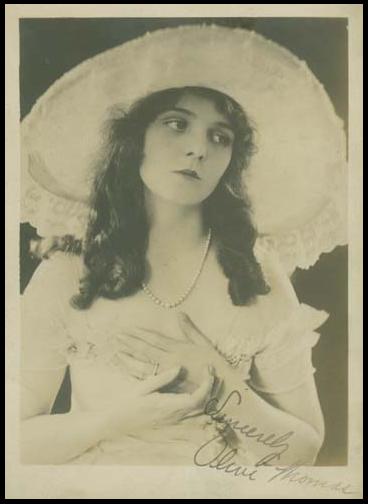

Career and public image
Thomas first attracted public attention as a model and chorus girl, working in New York with theatrical revues and photographic advertising before entering motion pictures. She appeared in a sequence of short comedies and light features beginning in 1917; her first listed film appearances include titles such as Madcap Madge and roles in romantic comedies that capitalized on her youthful, vivacious image. As a silent film actress she relied on expressive physicality and comedic timing to register with audiences at a time when the industry was still defining star personas. For summaries of silent‑era motion pictures and Thomas’s place in them, see more about silent film history and the development of studio publicity.
Notable films and surviving work
Thomas’s filmography contains a mix of short subjects and feature comedies. Titles commonly referenced in period press include Indiscreet Corrine, Limousine Life and Everybody’s Sweetheart (released after her death). Many silent films from this period have been lost or survive only in fragments; a portion of Thomas’s work still exists in archives and private collections, while other titles are known only from contemporaneous reviews and trade listings. For context about modeling and silent‑era promotion, see resources on period advertising and early 20th‑century modeling.
Personal life and circumstances of death
Olive Thomas’s off‑screen life also drew attention. She married into the theatrical community, and her social and personal relationships were frequently followed by the press. In September 1920 while in Paris, she accidentally ingested a solution containing mercury bichloride, reading it as another preparation; the chemical was a common antiseptic and medicinal agent in that era but is highly toxic if swallowed. The subsequent collapse of her health led to hospitalization; her condition included severe internal injury from the corrosive agent and renal complications often described in contemporary accounts as acute nephritis. The incident occurred in France, and reports of her condition were handled by local authorities in Paris as they investigated the circumstances. The medical cause and legal finding were reported widely at the time; contemporary notices say the death was ruled accidental. For medical background, see material on nephritis and on the toxicology of mercury bichloride, and for the location of the event, see sources about Paris in the period.
Reaction, media coverage, and legacy
The suddenness of Thomas’s illness and her youth made her death a global news story. Sensational reporting, rumor and later embellishment in books and film lore helped cement the affair as one of the early high‑profile scandals associated with the film community. Histories of celebrity culture often cite the episode when discussing how newspapers and magazines in the 1920s treated entertainment figures; for discussion of the broader cultural phenomenon, see materials about Hollywood publicity and scandal culture.
Selected filmography and notes
- Madcap Madge (1917) — early short subject credited with helping launch her screen career
- Indiscreet Corrine (1917) — a comedy vehicle typical of her screen persona
- Limousine Life (1918) — part of a string of light features
- Everybody’s Sweetheart (1920) — released posthumously
Today Olive Thomas is remembered both for her work in silent cinema and for the circumstances of her death, which reflect the medical practices, chemical availability, and sensational press of the era. While scholarship has separated myth from documented fact in many retellings, her life illustrates the rapid rise to fame available to performers in the new mass media industries of the early 20th century and the corresponding appetite for scandal in popular journalism.
Author
AlegsaOnline.com Olive Thomas: Silent‑era actress, model, and an early Hollywood scandal Leandro Alegsa
URL: https://en.alegsaonline.com/art/127875