
Oliver Ellsworth: Founding-Era Lawyer, Senator and Chief Justice
Oliver Ellsworth (1745–1807) was a Connecticut lawyer, Constitutional Convention delegate, U.S. senator who shaped the federal judiciary, and the third Chief Justice of the United States.
Overview
Oliver Ellsworth was a leading Connecticut lawyer and Federalist statesman active in the founding decade of the United States. Educated at Yale and widely respected for his legal acumen, he opposed continued British rule before the Revolution and later helped shape the structure of the new national government. He served as a delegate to the Constitutional Convention, represented Connecticut in the early U.S. Senate, and was appointed the third Chief Justice of the United States.
Image gallery
6 Images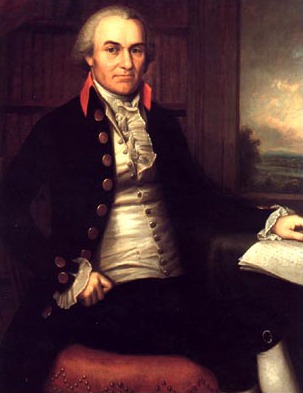


Career and offices
Ellsworth combined public service with legal practice. He sat in the Connecticut legislature, rose to prominence as a trial lawyer, and then moved onto the national stage. Key offices and roles include:
- Lawyer and jurist in Connecticut
- Delegate to the Constitutional Convention, where he argued about wording and structure
- United States Senator (early Congresses), where he helped craft legislation
- Author and sponsor of measures organizing the federal courts, including the Judiciary Act of 1789
- Third Chief Justice, later diplomat sent to France during tensions in the late 1790s
Role at the Constitutional Convention
At the 1787 Convention Ellsworth was influential for his careful attention to constitutional language and balance of powers. He objected to some proposals that used the term "National" to describe the government and urged terminology that emphasized the union of states as the "United States Government." This stance reflected a cautious Federalism that sought to bind the states into a workable system without obliterating their identities.
Contributions and diplomacy
In the Senate Ellsworth was deeply involved in building the federal judiciary. He played a leading role in drafting and promoting legislation that created the Supreme Court's structure and the lower federal courts. Near the end of his public career he undertook a diplomatic mission to ease tensions with France during the Quasi-War, demonstrating the trust placed in him by Federalist leaders.
Legacy and notable facts
Ellsworth's legacy rests on institution-building rather than flamboyant rhetoric. He was a practical lawyer-statesman whose work on judicial organization shaped how federal law would be administered for generations. He often worked alongside other Connecticut figures and contemporaries such as Edmund Randolph and engaged with debates influenced by leaders from Virginia. His career bridged legal practice, legislative drafting, and judicial leadership at a formative moment in American history.
For more on aspects of his life and writings, see resources about his legislative initiatives, court opinions, and diplomatic correspondence that illuminate the early Republic's institutions and debates. British rule and colonial resistance formed the backdrop to his generation's political experience.
Author
AlegsaOnline.com Oliver Ellsworth: Founding-Era Lawyer, Senator and Chief Justice Leandro Alegsa
URL: https://en.alegsaonline.com/art/127859