
Odvar Nordli — Norwegian Labour leader and prime minister
Odvar Nordli (1927–2018) was a Norwegian Labour Party politician who served as prime minister from 1976 to 1981 and later wrote memoirs on governance and public life.

Odvar Nordli (3 November 1927 – 9 January 2018) was a Norwegian politician and writer best known for leading the national government during the late 1970s. A long-time member of the Labour Party, Nordli was associated with pragmatic, consensus-oriented politics and steady stewardship of public institutions during a period of economic and social change.
Image gallery
4 Images

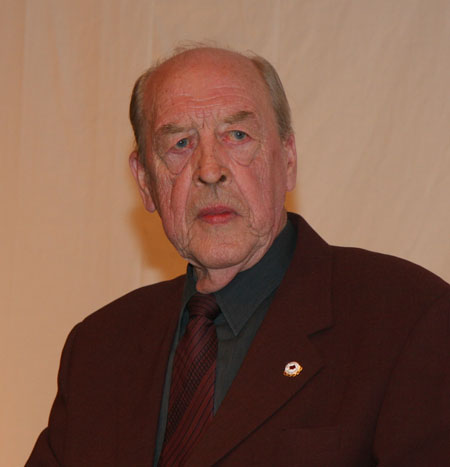

Early life and rise in politics
Born in 1927, Nordli came of age in the generation that helped consolidate Norway's postwar welfare model. He built his career within the Labour movement and in local and national political structures, gaining a reputation for practical administration and a focus on collective negotiation between labour, employers and state bodies. He advanced through party ranks to national prominence and became prime minister in 1976.
Prime minister, 1976–1981
As prime minister of Norway from 1976 to 1981, Nordli led governments that sought to preserve social services while responding to shifting economic conditions. His tenure coincided with the first decades of North Sea oil development and with broader economic challenges in the 1970s, including inflationary pressure and debates over public spending priorities. Nordli favoured careful management and compromise, and his leadership style was often described as low-key, methodical and administratively focused rather than showy.
Policy environment and approach
Nordli's governments worked within Norway's parliamentary system to balance social-welfare commitments with fiscal and industrial policy questions. Important themes of the period included the administration of new energy revenues, industrial policy aimed at regional employment, and the ongoing development of public services. He emphasised dialogue among social partners and strengthening state administrative capacity to implement complex programmes.
International relations
On international matters, Nordli's leadership maintained Norway's established foreign-policy stance, working with Nordic neighbours and within multilateral frameworks. Norway's role in NATO and involvement in international cooperation reflected a cautious, pragmatic approach to defence and diplomacy during a tense era in Cold War Europe.
Writings, later life and legacy
After leaving the premiership Nordli remained an active commentator and author, publishing memoirs and reflections on governance, party politics and public administration. His writings provide insight into the practical demands of leading a parliamentary government and the internal deliberations of a major social-democratic party. He was widely regarded as a steady elder statesman who contributed to the institutional consolidation of Norway's modern welfare arrangements.
Death and remembrance
Odvar Nordli died in Oslo on 9 January 2018 at the age of 90. The cause of death was reported as prostate cancer. His passing prompted reflections on a period of Norwegian history when the foundations of contemporary social policy and resource management were being shaped.
Notable aspects
- Led Norway's government from 1976 to 1981, a time of institutional consolidation and economic change.
- Long-standing figure in the Labour Party, known for consensus-building and pragmatic administration.
- Author of memoirs and commentator on public governance and party politics.
- Remembered for steady leadership and the practical management of social and economic challenges.
- Service as prime minister is often referenced in discussions of Norway's management of oil revenues and welfare policies; see office-related summaries at Prime Minister of Norway.
Author
AlegsaOnline.com Odvar Nordli — Norwegian Labour leader and prime minister Leandro Alegsa
URL: https://en.alegsaonline.com/art/127821