
Nobby Stiles — English footballer and 1966 World Cup winner
Norbert 'Nobby' Stiles MBE (1942–2020), Manchester-born defensive midfielder, key member of England's 1966 World Cup team and 1968 European Cup winner with Manchester United; remembered for tenacity and legacy.
Overview
Norbert Peter "Nobby" Stiles MBE (18 May 1942 – 30 October 2020) was an English professional footballer noted for his combative midfield role and his place in England's only men’s World Cup victory. Born in Collyhurst, Manchester, he became widely recognised for his work rate, tactical discipline and modest public manner. Biographical summaries and profiles of his career appear in many sports references, including a concise entry at his profile.
Image gallery
2 Images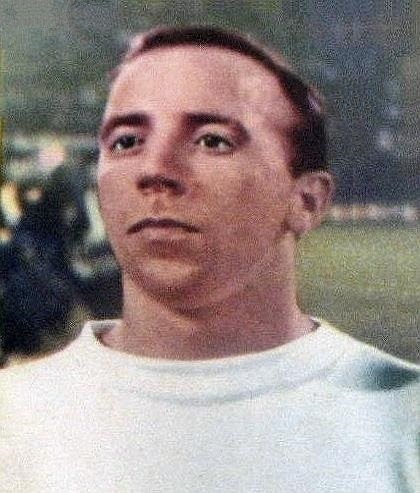

Playing style and characteristics
Stiles played primarily as a defensive or holding midfielder. He was valued for tight marking, tenacious tackling and the ability to break up opponents' attacks rather than flamboyant ball skills. Contemporary reports often highlight his energy, positional awareness and the defensive balance he provided for teammates. For readers exploring the role he embodied, see general material on the English football midfield traditions.
Career and honours
He came through local football into the senior ranks with Manchester United, where he was part of a successful side that later claimed the European Cup. Internationally, Stiles is best known for his role in England’s 1966 World Cup-winning team, where his marking duties and teamwork were considered crucial to the final victory. After leaving top-flight Manchester football he had further playing and coaching involvement at other clubs before retiring from the professional game.
Notable honours and facts
- Member of England’s 1966 World Cup squad and an important defensive presence in the tournament.
- Part of the Manchester United side that won major domestic and European honours in the 1960s.
- Awarded an MBE for services to football and remembered for his modest public persona.
Legacy and later life
Stiles remained a respected figure in English football history, often cited in discussions about the value of disciplined defensive midfielders. In later decades he continued to attend reunions and commemorations and was publicly associated with his Manchester roots in Collyhurst, a detail noted in local and national summaries of his life at Collyhurst, Manchester. In his final years he faced health challenges that were reported in major media, and he died in 2020, leaving a legacy as one of the defining English midfielders of his generation.
Author
AlegsaOnline.com Nobby Stiles — English footballer and 1966 World Cup winner Leandro Alegsa
URL: https://en.alegsaonline.com/art/127722