
Nicolau dos Reis Lobato
East Timorese independence leader and wartime commander; first prime minister in 1975 and a central symbol of resistance until his death in 1978.
Nicolau dos Reis Lobato (24 May 1946 – 31 December 1978) was a leading East Timorese politician, guerrilla commander and a prominent symbol of his country’s struggle for independence. He is widely remembered for his role in the 1975 declaration of independence and for directing armed resistance after the Indonesian invasion.
Image gallery
8 Images



Early life and political rise
Lobato came from a background typical of many Timorese political activists of his generation: educated locally and active in community and political organizing as decolonization unfolded in the 1970s. He became a senior figure in Fretilin (the Revolutionary Front for an Independent East Timor), which advocated immediate independence from Portuguese rule. His leadership skills and popularity within Fretilin propelled him into high office when political tensions reached a breaking point in 1975.
Prime ministership and 1975 events
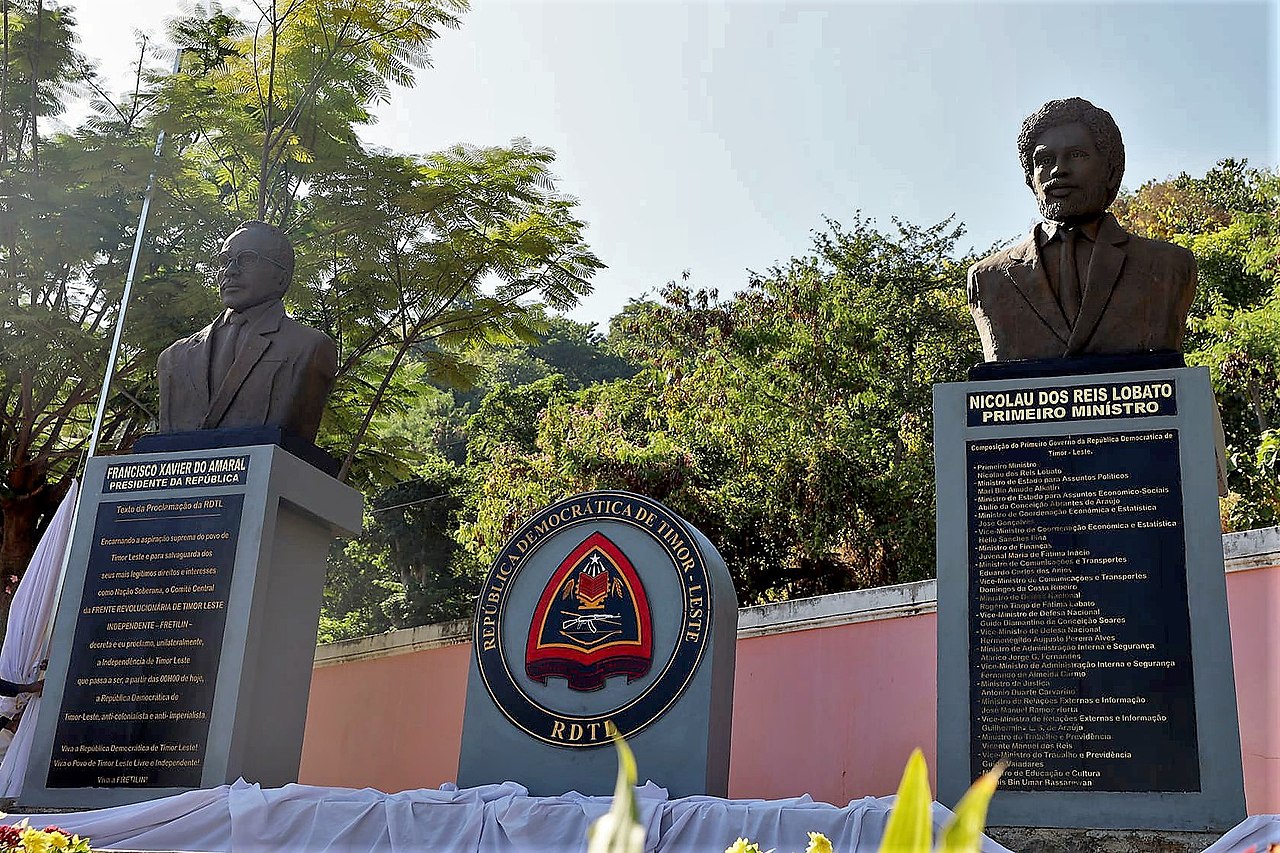
When Fretilin proclaimed the Democratic Republic of East Timor on 28 November 1975, Lobato served as the nascent government’s first prime minister. That administration lasted only a short time in the face of internal conflict and a subsequent Indonesian military intervention in December 1975. After the invasion, formal government structures were dismantled and many leaders went underground or into exile.
Guerrilla leadership and death
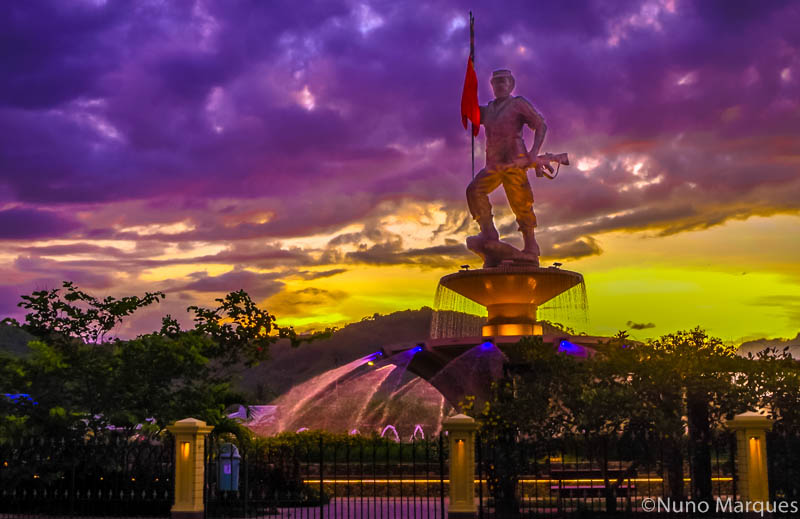
Following the collapse of the brief civilian government, Lobato became a central commander of the armed resistance known as FALINTIL, leading guerrilla operations against Indonesian occupation forces. He remained a determined representative of Timorese resistance until 31 December 1978, when he was killed during an encounter with Indonesian military forces; contemporary accounts describe his death as occurring during an ambush.
Legacy and honors
- Lobato is officially recognized by many Timorese as a national hero and an enduring symbol of the independence movement.
- Several public places and institutions have been named in his honor, reflecting his central place in national memory.
- His life and death influenced later generations of leaders who continued the diplomatic and armed struggle that eventually led to independence in 2002.
While opinions on tactics and decisions from that period vary, Lobato’s role is a focal point in East Timor’s modern history: he is remembered both for his brief role as head of a declared government and for his commitment to armed resistance when political options narrowed.
Author
AlegsaOnline.com Nicolau dos Reis Lobato Leandro Alegsa
URL: https://en.alegsaonline.com/art/127622