
Neil Goldschmidt
Neil Goldschmidt (born 1940) is an American politician and businessman who served as Portland mayor, U.S. Secretary of Transportation and Governor of Oregon; his career included significant accomplishments and later controversy.
Neil Edward Goldschmidt (born June 16, 1940) is an American politician and businessman known for major roles in Oregon and federal government. He was born in Eugene, Oregon and for most of his public life was associated with the Democratic Party. Goldschmidt combined electoral office, federal service and private-sector activity across several decades.
Image gallery
3 Images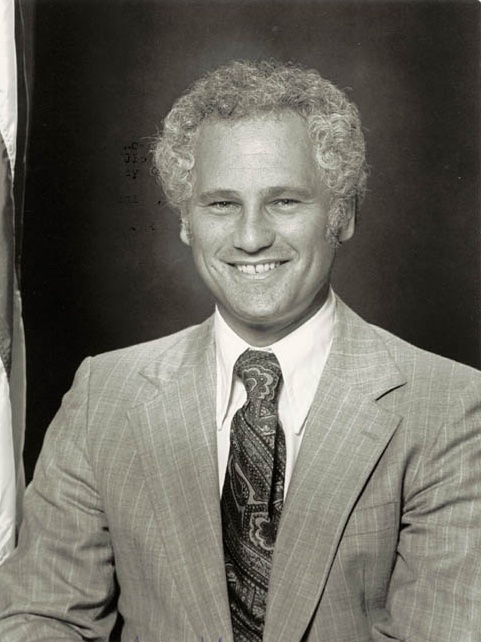

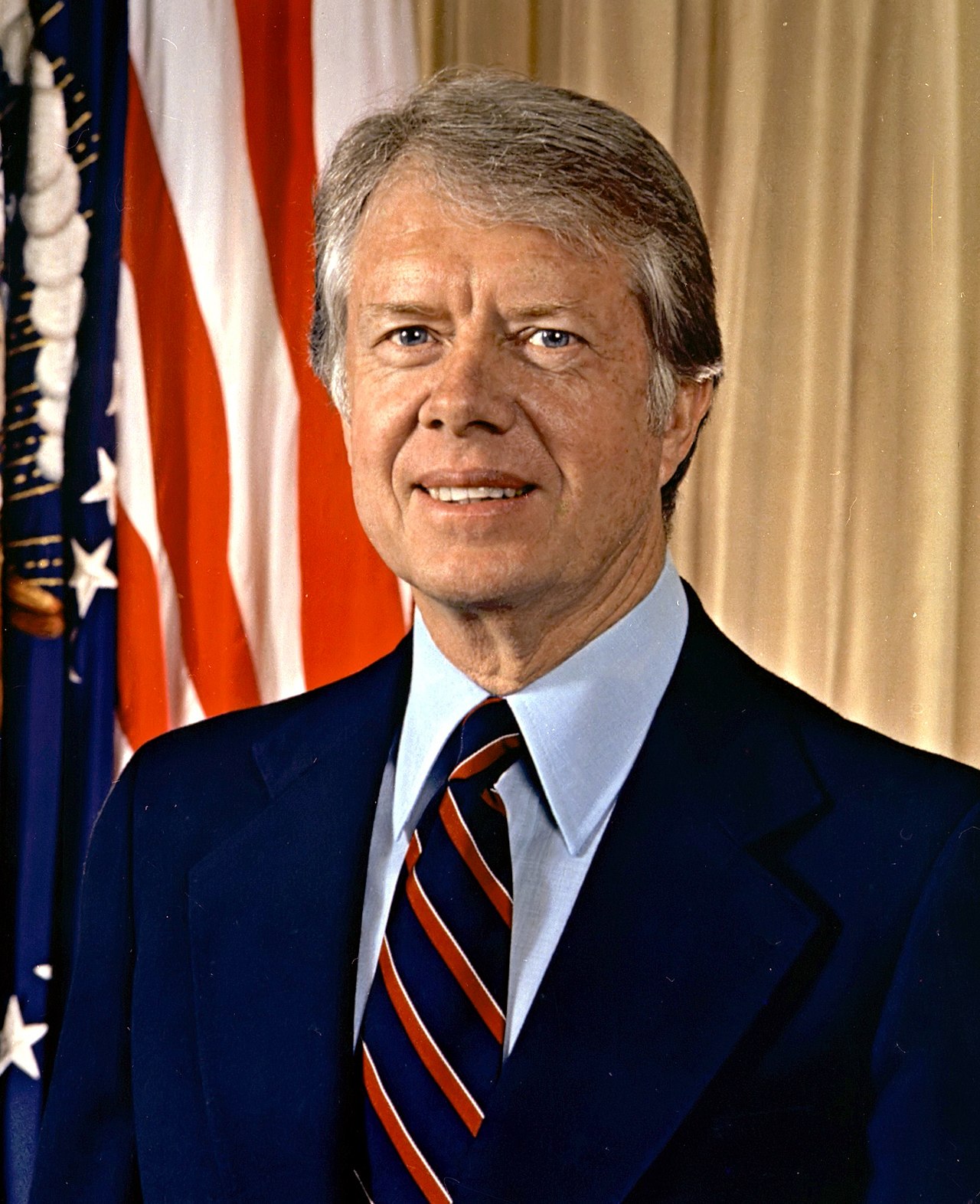
Political career
- Mayor of Portland, Oregon from January 1973 to January 1979, where he promoted downtown revitalization and urban planning initiatives.
- United States Secretary of Transportation under President Jimmy Carter from August 1979 to January 1981, overseeing national transportation policy and federal programs.
- Governor of Oregon from January 1987 through January 1991, leading the state executive branch for a single four-year term.
Throughout these positions Goldschmidt emphasized transportation, urban development and economic policy. As mayor he supported projects to renew Portland's downtown and expand public transit options; as Secretary of Transportation he worked on national infrastructure and regulatory matters; as governor he addressed statewide budgeting, economic development and public services.
After leaving elective office Goldschmidt moved into the private sector as a consultant and business figure. He remained influential in civic affairs and regional development, participating in philanthropic and advisory roles while maintaining ties to Oregon politics and business circles.
Controversy and legacy: In the early 2000s reporting revealed that Goldschmidt had sexually abused a minor decades earlier. He later acknowledged the misconduct. The revelations prompted a sharp reassessment of his public honors and reputation, and they have become an integral part of how historians and the public evaluate his career.
The arc of Goldschmidt's public life illustrates a mix of policy achievements — particularly in urban planning and transportation — and damaging personal misconduct that reshaped his legacy. For further reading on his offices and influence, see contemporary accounts of his mayoralty, his tenure in the Carter administration, and his gubernatorial term at reputable sources and archives (biographical overview, transportation role, municipal initiatives, state leadership, administration context, party affiliation, regional background).
Author
AlegsaOnline.com Neil Goldschmidt Leandro Alegsa
URL: https://en.alegsaonline.com/art/127491