
Natalee Holloway — disappearance, investigation, and legacy
Overview of the 2005 disappearance of Natalee Holloway in Aruba, the subsequent investigation, legal developments, and the case’s impact on media and tourism.
Overview
Natalee Holloway (born October 21, 1986) was an American high-school graduate from Mountain Brook, Alabama, United States. On May 30, 2005, while on a graduation visit to Aruba for a school trip, she failed to return home and was reported missing. Holloway was last seen outside Carlos'n Charlie's, a restaurant and nightclub in Oranjestad, in the company of several local men. Her disappearance quickly became an international news story and prompted extensive search efforts.
Image gallery
8 Images


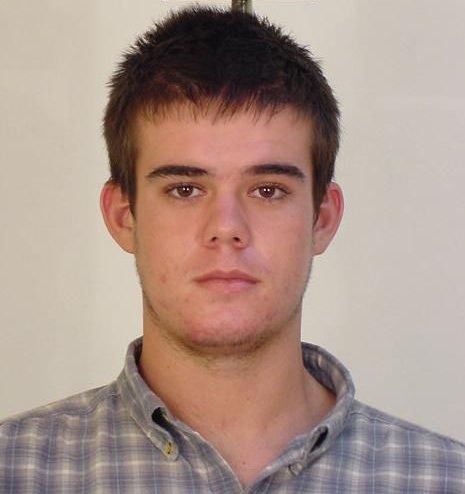
Timeline and investigation
Initial investigation focused on the nightclub area and the accounts of the people who had been with Holloway that night. The primary individuals investigated included Joran van der Sloot and two brothers, Deepak and Satish Kalpoe. According to official reports and later media coverage, the men said they had driven Holloway from the club and dropped her at her hotel; they denied knowledge of any harm coming to her. Authorities arrested the suspects multiple times for questioning but released them each time due to insufficient evidence.
- Holloway scheduled to fly home May 30 but did not board the flight.
- Van der Sloot was arrested on suspicion of involvement on more than one occasion; the Kalpoe brothers were detained multiple times.
- No criminal conviction has been secured in Aruba in connection with Holloway’s disappearance; the case remains officially open.
Legal developments and related cases
Although the Holloway case remains unresolved, one of the primary suspects, Joran van der Sloot, later became the focus of other criminal proceedings abroad. He was convicted in an unrelated homicide in Peru, a development that renewed public attention to Holloway’s disappearance and to the investigative challenges posed by cross-border cases. Aruban officials have stated they consider Holloway likely dead, but no definitive forensic evidence has established her fate.
Public reaction and legacy
The disappearance drew intense media scrutiny in the United States, Aruba and the Netherlands, influencing public perceptions of travel safety and police procedures in small tourist jurisdictions. Holloway’s family took a prominent role in seeking information and pressuring authorities, and the case generated numerous television documentaries, books and continuing media coverage. The widespread attention also sparked debate about journalistic ethics, victim privacy and the potential distortions of high-profile reporting.
Notable facts and distinctions
Key aspects that distinguish this case include the international dimension—an American tourist missing abroad—the repeated detentions and releases of suspects, and the lasting media presence. The case prompted reviews of investigative cooperation between local police and foreign authorities and remains a reference point in discussions about safety for young travelers and how media coverage can shape criminal inquiries. For background on Holloway’s hometown and reported travel details see local and national accounts from Mountain Brook, Alabama and the United States. For information on the trip and location, consult resources about the graduation trip to Aruba and local nightlife such as Carlos'n Charlie's. Several international outlets, including those in the Netherlands, continue coverage and analysis of the investigation.
The Holloway disappearance remains unsolved and continues to be an active subject of public interest, legal scrutiny and media coverage. Readers seeking further contemporary updates should consult multiple reputable sources and official statements by Aruban authorities and the Holloway family.
Questions and answers
Q: Who is Natalee Holloway?
A: Natalee Holloway is a woman from Mountain Brook, Alabama, who disappeared during a graduation trip in Aruba in 2005.
Q: When did Natalee Holloway disappear?
A: Natalee Holloway disappeared on May 30, 2005.
Q: What happened to Natalee Holloway?
A: Natalee Holloway remains officially missing, although according to Aruban authorities, she is most likely dead.
Q: Where was Natalee Holloway last seen?
A: Natalee Holloway was last seen by her classmates outside Carlos'n Charlie's, a Caribbean chain restaurant and nightclub in Oranjestad, in a car with locals Joran van der Sloot and brothers Deepak and Satish Kalpoe.
Q: Were the three men who were last seen with Natalee Holloway arrested and charged with her disappearance?
A: Van der Sloot was arrested twice on suspicion of involvement in her disappearance and the Kalpoes were each arrested three times, but due to lack of evidence, the three men were released without charge after each arrest.
Q: Did Natalee Holloway ever return to the United States after her disappearance?
A: No, Natalee Holloway was scheduled to fly home later on May 30, but failed to appear for her flight.
Q: Was Natalee Holloway's disappearance covered in the media?
A: Yes, Natalee Holloway's disappearance generated a media sensation in both the U.S. and Aruba and sparked considerable interest in the Netherlands.
Author
AlegsaOnline.com Natalee Holloway — disappearance, investigation, and legacy Leandro Alegsa
URL: https://en.alegsaonline.com/art/127414