
Nancy Kulp — American Actress (1921–1991)
Character actress best known as Miss Jane Hathaway on The Beverly Hillbillies; active in film and television, later a political candidate. Born in Harrisburg, Pennsylvania; died in Palm Desert, California.
Overview
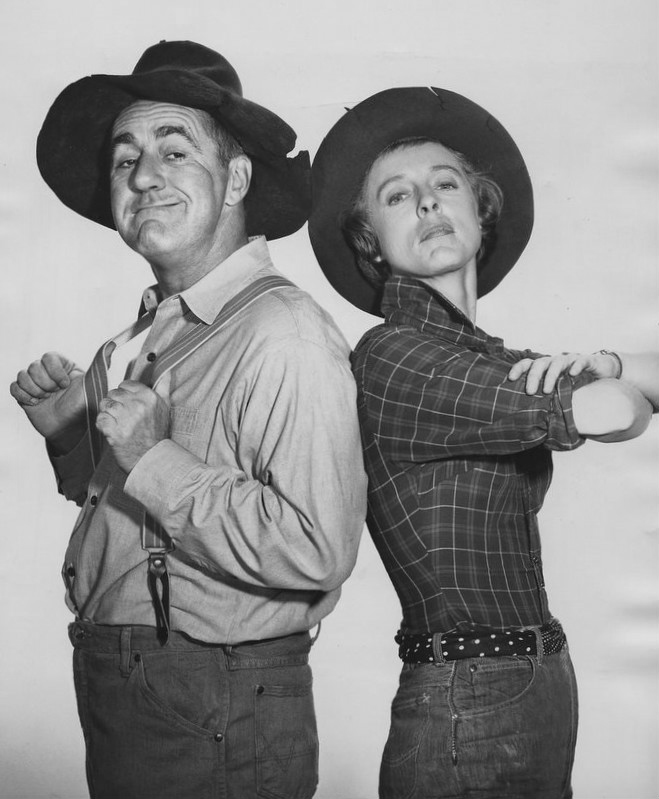
Nancy Kulp (August 28, 1921 – February 3, 1991) was an American actress whose career spanned film and television. She gained national recognition for her portrayal of the efficient, prim secretary Miss Jane Hathaway on the popular sitcom The Beverly Hillbillies. Earlier in her career she appeared as the character Anastasia on the NBC sitcom It's a Great Life, and she worked steadily in supporting roles that showcased a dry, urbane comic style.
Image gallery
4 Images


Early life and education
Kulp was born in Harrisburg, Pennsylvania. She grew up in that region and pursued studies that later helped her move into media and entertainment. Her background and early training laid the groundwork for a shift from smaller film parts to more visible television work in the 1950s and 1960s.
Career and screen persona
Though she performed in films and guest roles on a variety of television series, Kulp became most closely associated with one memorable character. Miss Jane Hathaway, the capable and often exasperated secretary to banker Milburn Drysdale on The Beverly Hillbillies, made Kulp a familiar face in American households. Her delivery relied on precision timing, an understated wit, and a portrayal of a professional woman that stood out in the era's television landscape.
- Notable television roles: Miss Jane Hathaway, Anastasia on It's a Great Life.
- Work style: Character roles with comedic restraint and a polished, urbane sensibility.
Later life and legacy
After her most prominent television work, Kulp continued to make appearances and remained a recognizable figure from classic American sitcoms. In later years she also became involved in civic life and mounted an unsuccessful bid for elected office, reflecting a turn toward public service after her entertainment career. Her performance as Miss Jane Hathaway endures as a reference point for portrayals of witty, career-oriented women on mid-20th-century television.
Death
Nancy Kulp died of cancer on February 3, 1991, in Palm Desert, California. She was 69. Her work continues to be cited by fans and television historians for its contribution to American sitcom comedy and for bringing a distinctive, cultured comic voice to a long-running popular series.
Author
AlegsaOnline.com Nancy Kulp — American Actress (1921–1991) Leandro Alegsa
URL: https://en.alegsaonline.com/art/127381