
The Beverly Hillbillies
American sitcom (1962–1971) about the Clampett family who strike oil and relocate to Beverly Hills; starred Buddy Ebsen, Irene Ryan, Donna Douglas and Max Baer Jr.; a major ratings success and cultural touchstone.
Overview
The Beverly Hillbillies is an American television sitcom that originally aired on CBS from 1962 to 1971. The series follows the Clampett family, poor rural hillfolk who suddenly become wealthy after discovering oil on their land and move to the upscale neighborhood of Beverly Hills. The program combined broad comedy with a fish‑out‑of‑water premise, contrasting rural values and manners with urban, upper‑class society.
Image gallery
8 Images


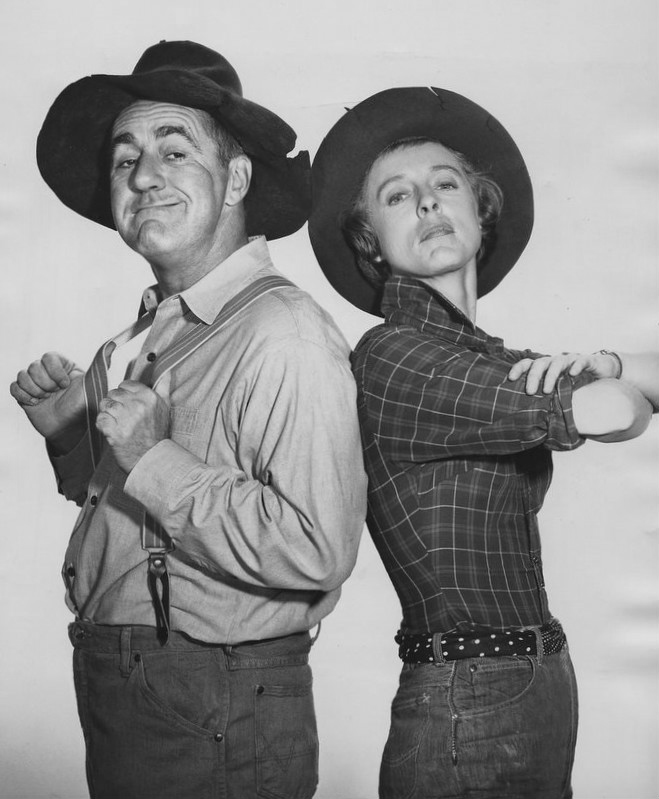


Premise and main characters
The central characters are Jed Clampett, his mother-in-law Daisy May "Granny" Moses, his daughter Elly May, and his nephew Jethro Bodine. Jed is the kindly patriarch who becomes a wealthy landowner; Granny is the feisty traditionalist who often resists city ways; Elly May is a tomboyish young woman with a love of animals; and Jethro is a well‑meaning but dimwitted aspiring entertainer and soldier of fortune. The show explores their attempts to adapt to Beverly Hills life while retaining their rural identities.
Cast and production notes
- Buddy Ebsen as Jed Clampett (actor page).
- Irene Ryan as Granny Daisy May (actor page).
- Donna Douglas as Elly May (actor page).
- Max Baer Jr. as Jethro Bodine.
The series is known for its memorable theme, "The Ballad of Jed Clampett," performed by bluegrass musicians Lester Flatt and Earl Scruggs. Episodes were typically half‑hour comedies that mixed slapstick, character comedy and situational misunderstandings.
Broadcast history and reception
During its run The Beverly Hillbillies was a ratings powerhouse. It finished among the top 20 most‑watched programs in eight of its nine seasons and was the number one series in the United States for two seasons. Several individual episodes rank among the highest‑viewed television broadcasts of their era. While the show attracted huge audiences, critics and commentators sometimes criticized it for relying on stereotypes about rural people and for broad, simplistic humor.
Legacy, adaptations and cultural impact
The series became part of a 1960s trend of rural sitcoms alongside programs such as Green Acres and Petticoat Junction, and it influenced later portrayals of class and culture clashes on television. Its popularity helped launch catchphrases and character archetypes that persisted in American pop culture. A feature‑film adaptation was produced by a major studio in 1993, and the show has been syndicated and released in home video formats, maintaining a presence for new audiences.
Notable distinctions
Beyond ratings, The Beverly Hillbillies is often discussed in studies of television history as an example of how network programming catered to large mass audiences in the 1960s. It demonstrates the era's appetite for simple, family‑centered comedy and the power of a strong, immediately understandable premise. Visitors interested in filming locations or the social context of the series can find more information through local history resources about Beverly Hills and television archives, and biographical material on the principal actors is available via the linked actor pages above.
The show endures as a cultural touchstone: whether regarded nostalgically or critically, it remains one of the most recognizable sitcoms of mid‑20th‑century American television, notable for its characters, theme song, and its role in the larger pattern of popular entertainment of the period. For further reading, see cast biographies and broadcast histories accessible through television reference sources and archives (network records, actor histories, biographical summaries, series overviews, local context).
Related articles
Author
AlegsaOnline.com The Beverly Hillbillies Leandro Alegsa
URL: https://en.alegsaonline.com/art/97602
Sources
- variety.com : "Top 100 TV Shows of All Time"
- articles.orlandosentinel.com : "Hollywood To Make Movie Of Old 'Beverly Hillbillies'"