
Nancy Hatch Dupree — historian and preserver of Afghanistan's modern heritage
American-born historian Nancy Hatch Dupree (1927–2017) collected, catalogued and safeguarded Afghan documents and cultural materials, directing the Afghanistan Center at Kabul University.
Overview
Nancy Hatch Dupree (Pashto: نانسي دوپري, romanized: Nansi dupri; October 3, 1927 – September 10, 2017) was an American-born historian whose life work focussed on documenting and preserving modern Afghanistan's documentary and cultural heritage. Over several decades she collected newspapers, maps, reports, photographs and other primary materials that were at risk during political upheaval, and she promoted access to those materials for Afghan and international researchers.
Image gallery
1 Image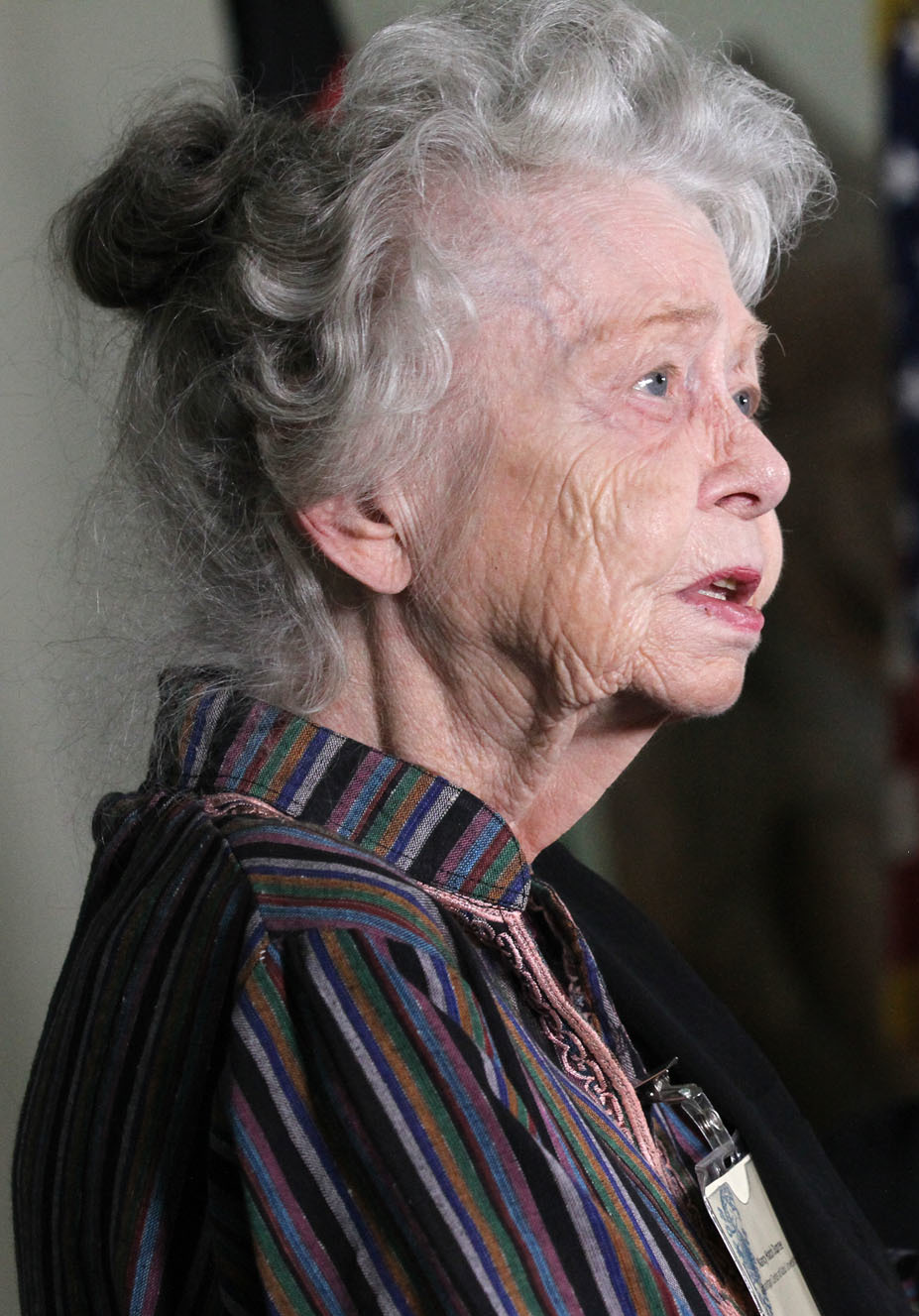
Early life and education
Dupree studied at Barnard College and at Columbia University, where she trained in Asian languages and area studies and developed a lifelong interest in Central and South Asia. She learned languages and research methods that informed her fieldwork and archival work. In the 1960s she settled in Afghanistan, where she began systematic collecting and documentation of modern historical sources.
Fieldwork, collections and publications
Beginning in the 1960s Dupree travelled widely in Afghanistan, compiling documents from provincial offices, newspapers and local institutions. She authored and compiled several reference works and is reported to have written five books based on collections and research carried out between about 1962 and the late 1970s. Her publications and bibliographies helped later scholars navigate fragmented and dispersed source material.
The Afghanistan Center at Kabul University
Dupree became the director of the Afghanistan Center at Kabul University (ACKU), a repository created to centralize rare and dispersed documents, printed material and photographs. The center aimed to preserve primary sources and to provide researchers with organized access. Under her direction it served both Afghan scholars and foreign researchers and became a focal point for archival training in Kabul.
Approach and significance
- Combined documentary scholarship with practical archiving to stabilize fragile materials.
- Emphasized local capacity: training Afghan colleagues in conservation and cataloguing methods.
- Maintained scholarly networks that connected Afghan collections to international libraries and researchers.
Partnerships and personal life
Dupree worked closely with Afghan academics, foreign specialists and development organizations to safeguard collections and promote research. She was married to the archaeologist Louis Dupree, with whom she shared an interest in Afghan history and culture; their professional partnership is a noted feature of her biography.
Challenges and stewardship during conflict
Throughout decades of conflict, Dupree's efforts focused on preventing the permanent loss of unique documents and images. She advocated for practical measures to protect archives, lobbied institutions for support, and continued to expand catalogues and guides so that materials could be used by future generations even after periods of displacement.
Later years and legacy
Dupree remained an active advocate for Afghan heritage into her later life. She is widely remembered as a tireless steward of Afghan documentary history and as a bridge between Western scholars and Afghan institutions. Her archival work and the institution she led continue to be important resources for researchers of modern Afghanistan.
Further information and resources
Brief biographical notes and language references can be found here. General background on Afghanistan is available here. Information about her education at Barnard and Columbia may be consulted here, and additional archival resources and guides are listed here.
Author
AlegsaOnline.com Nancy Hatch Dupree — historian and preserver of Afghanistan's modern heritage Leandro Alegsa
URL: https://en.alegsaonline.com/art/127378